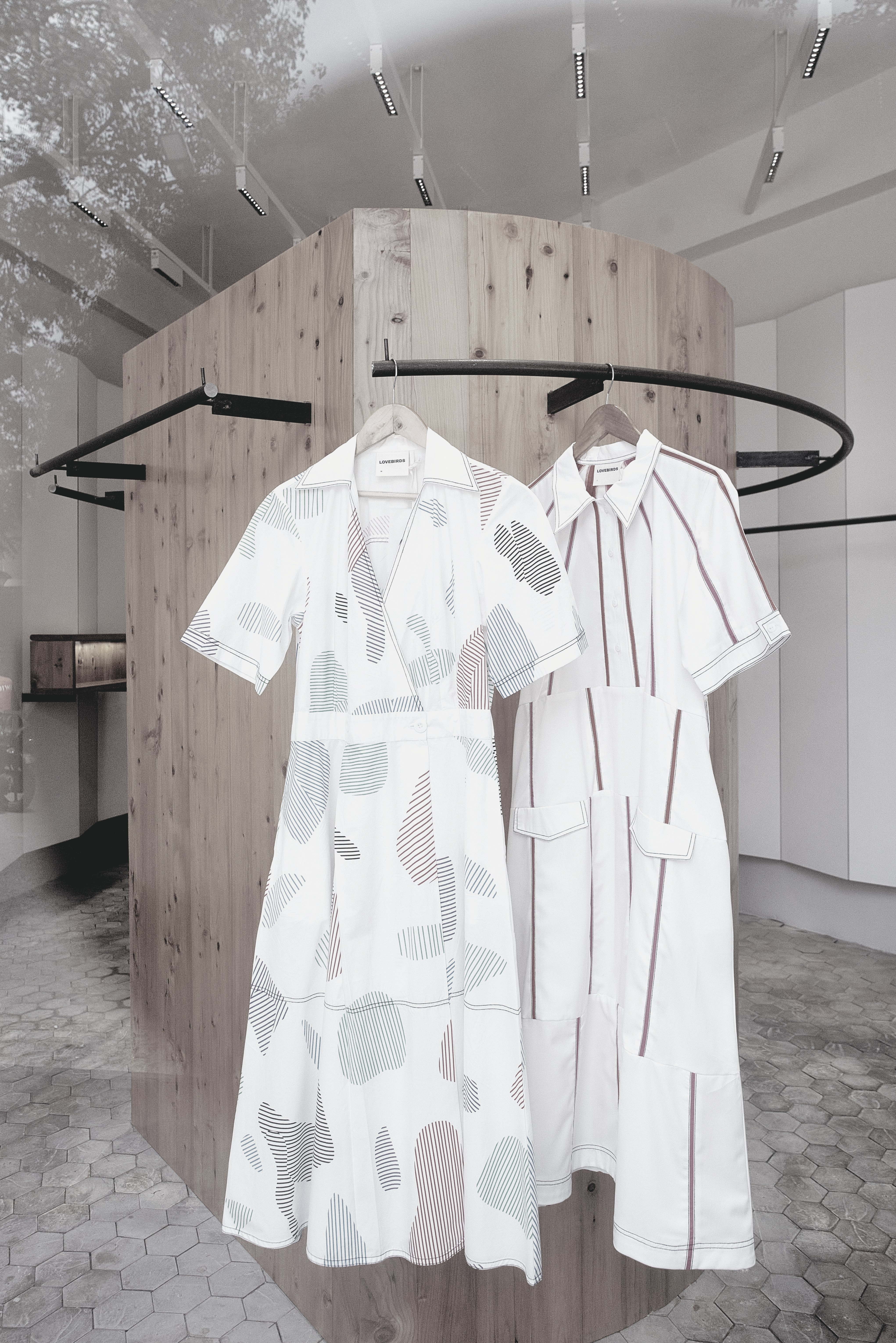
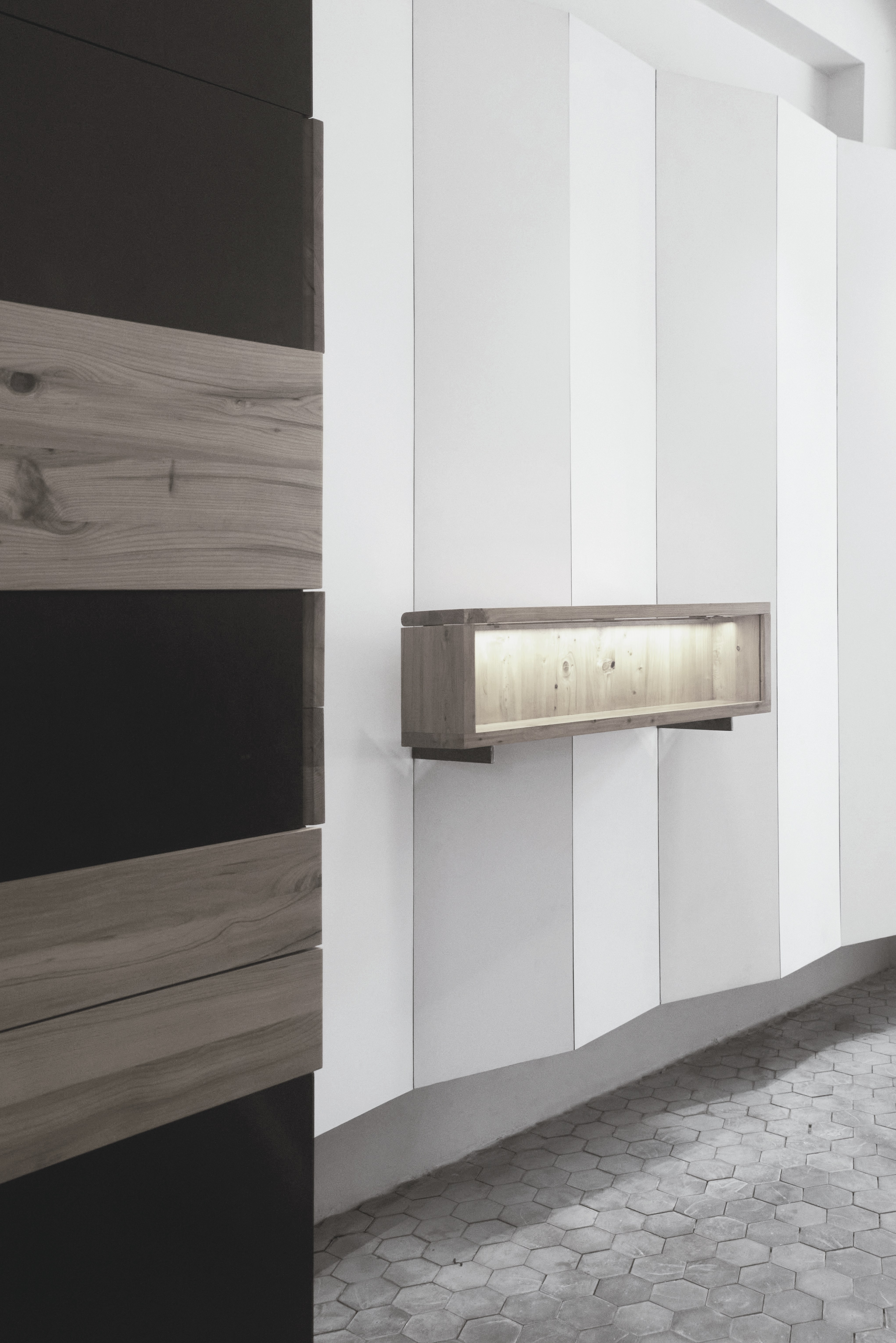
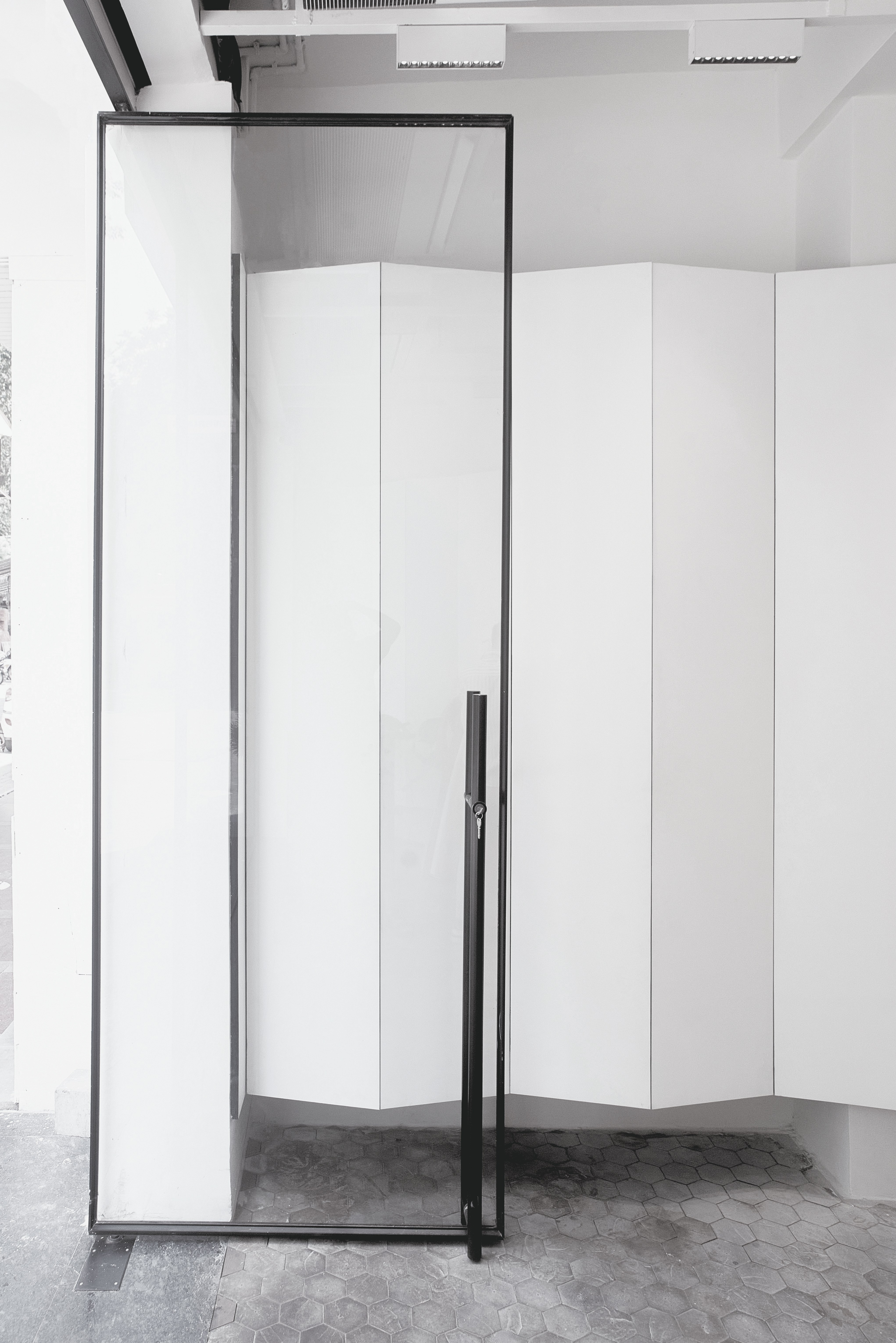
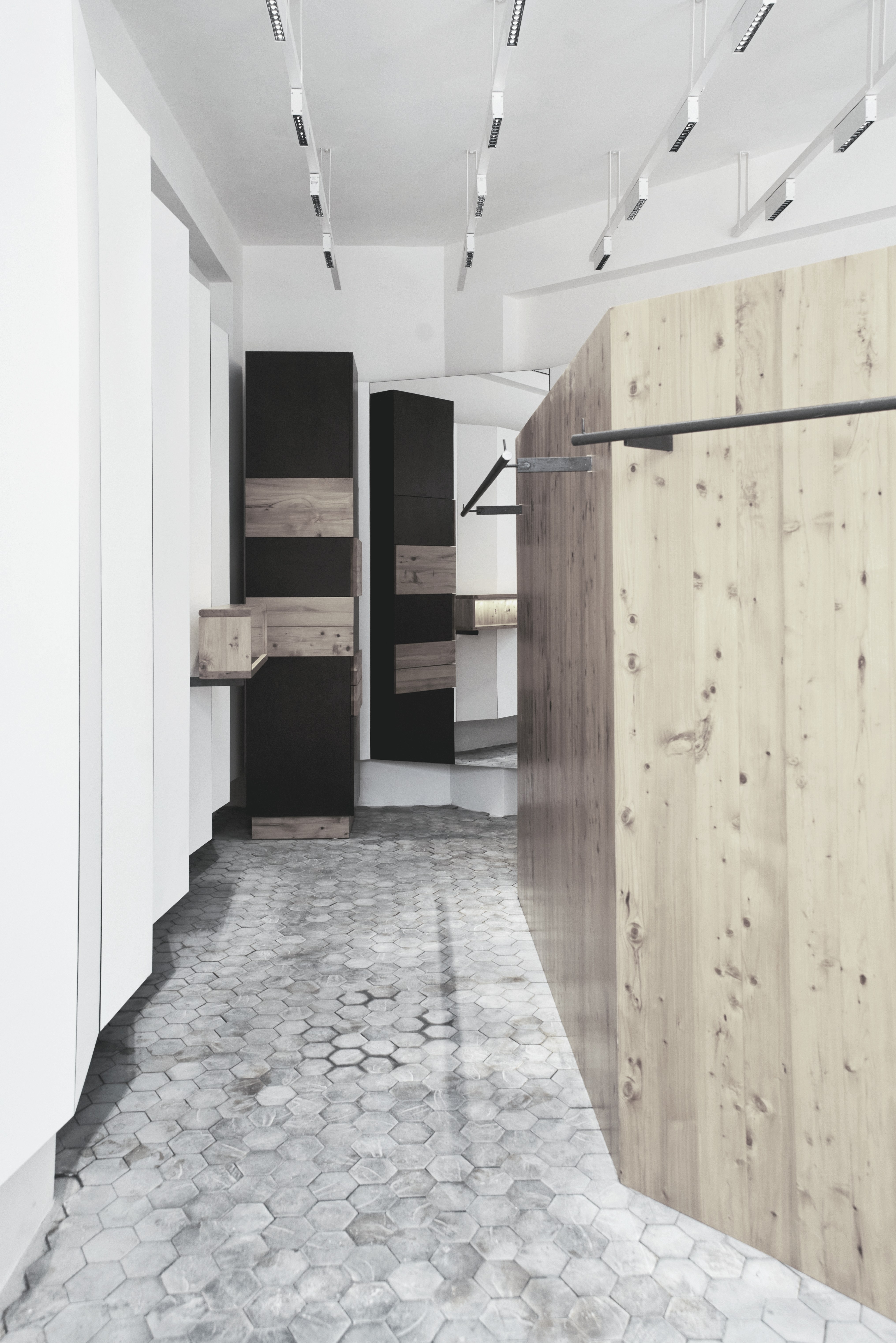
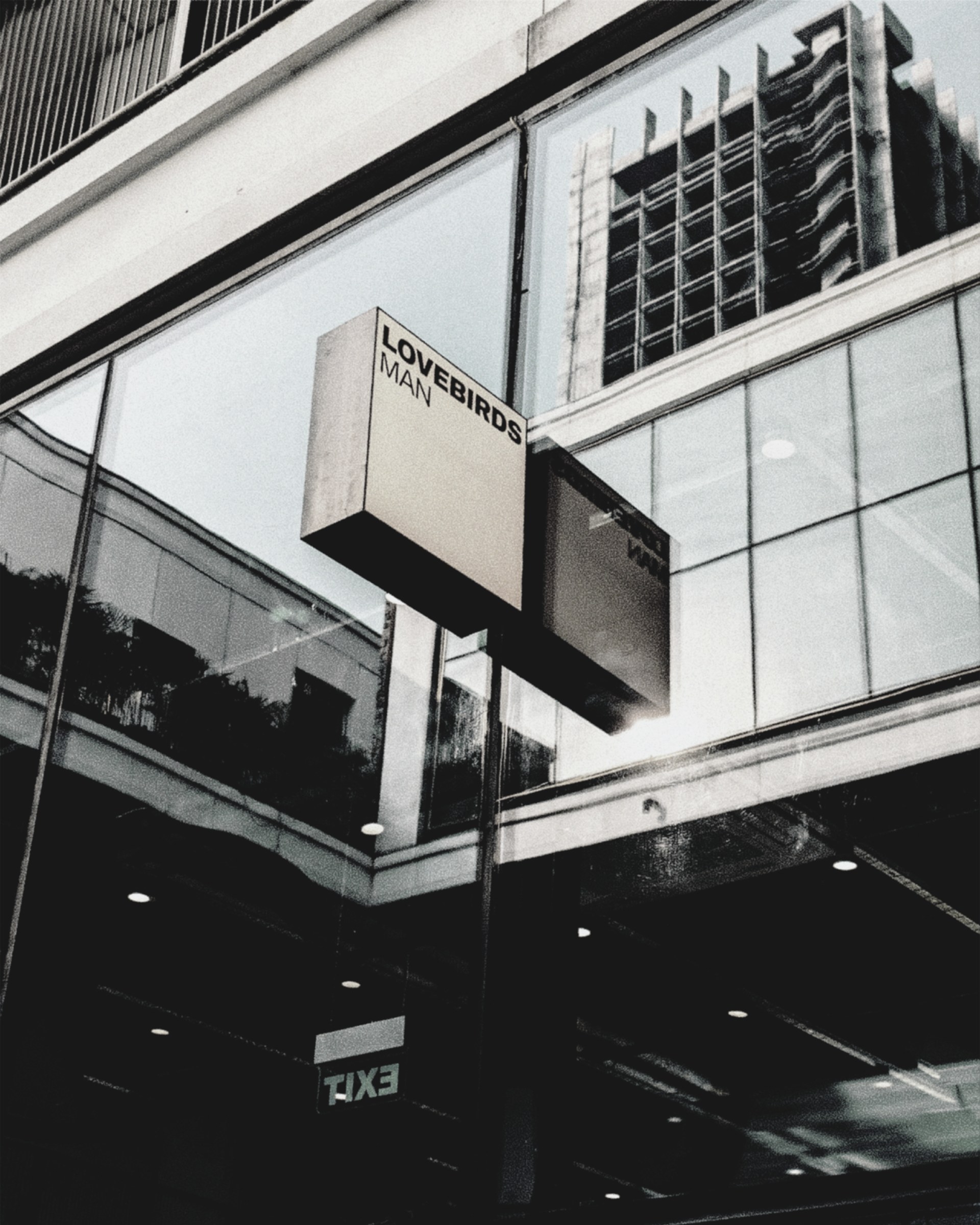
Lovebirds is a fashion label with a clear identity — intimate, considered, and resolutely independent. Each of its three store commissions asked the same question from a different city: how does a space carry a brand without illustrating it? The answer, each time, was to design the room from the inside out — starting with how it feels to move through it, and working outward to the surfaces, the light, and the threshold between street and interior.
The three stores share a sensibility without repeating a formula. Materials shift with context. Scale is calibrated to the neighbourhood. What remains constant is an attention to the relationship between the clothes and the space that holds them — neither overshadowing the other.
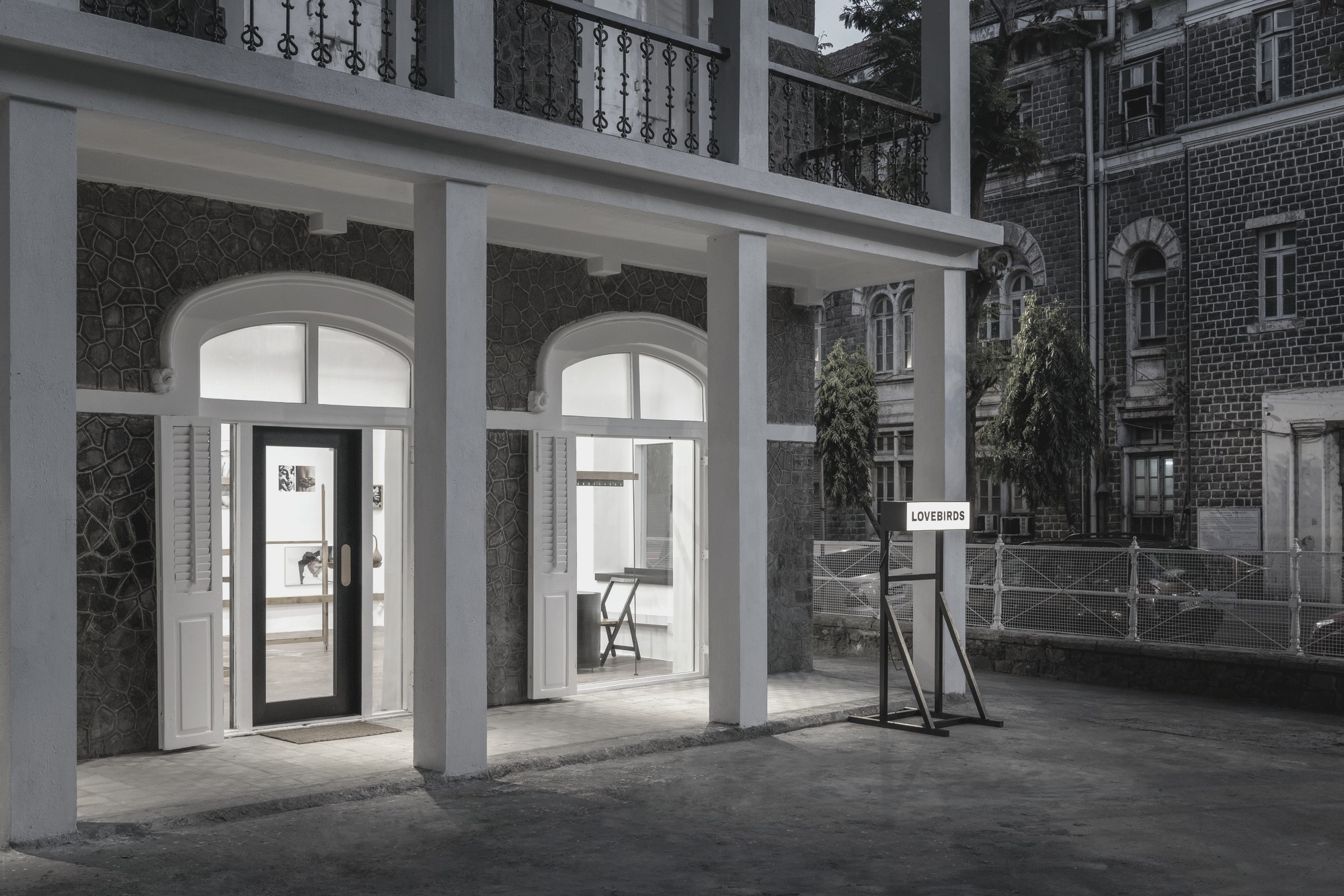
The first Lovebirds store, in Colaba, established the terms of the practice's engagement with retail: a quiet room, carefully lit, where the priority is always the object being offered rather than the architecture that frames it. The brief was to create a space that felt edited and deliberate — an extension of the label's own design sensibility rather than a neutral backdrop for it.
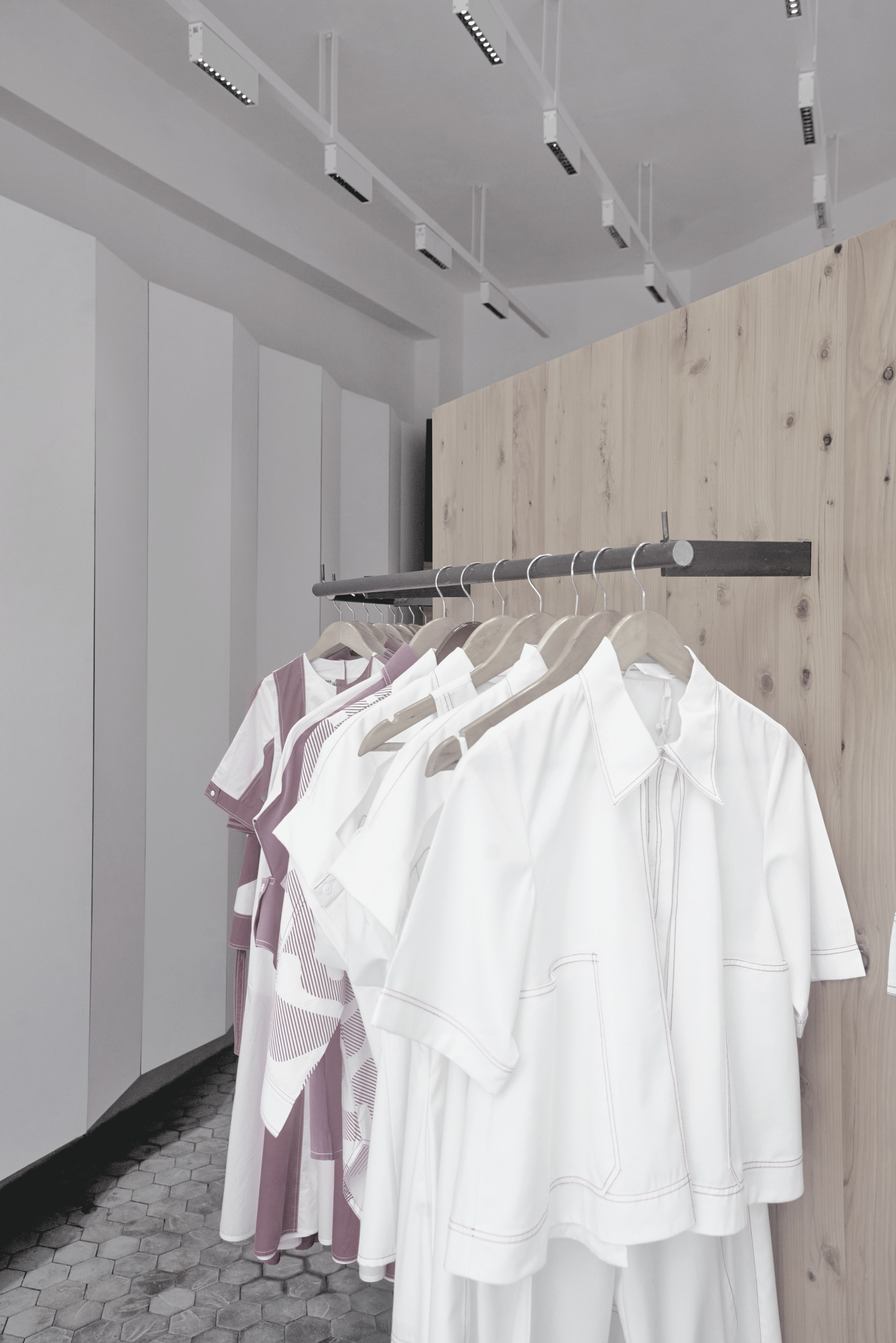
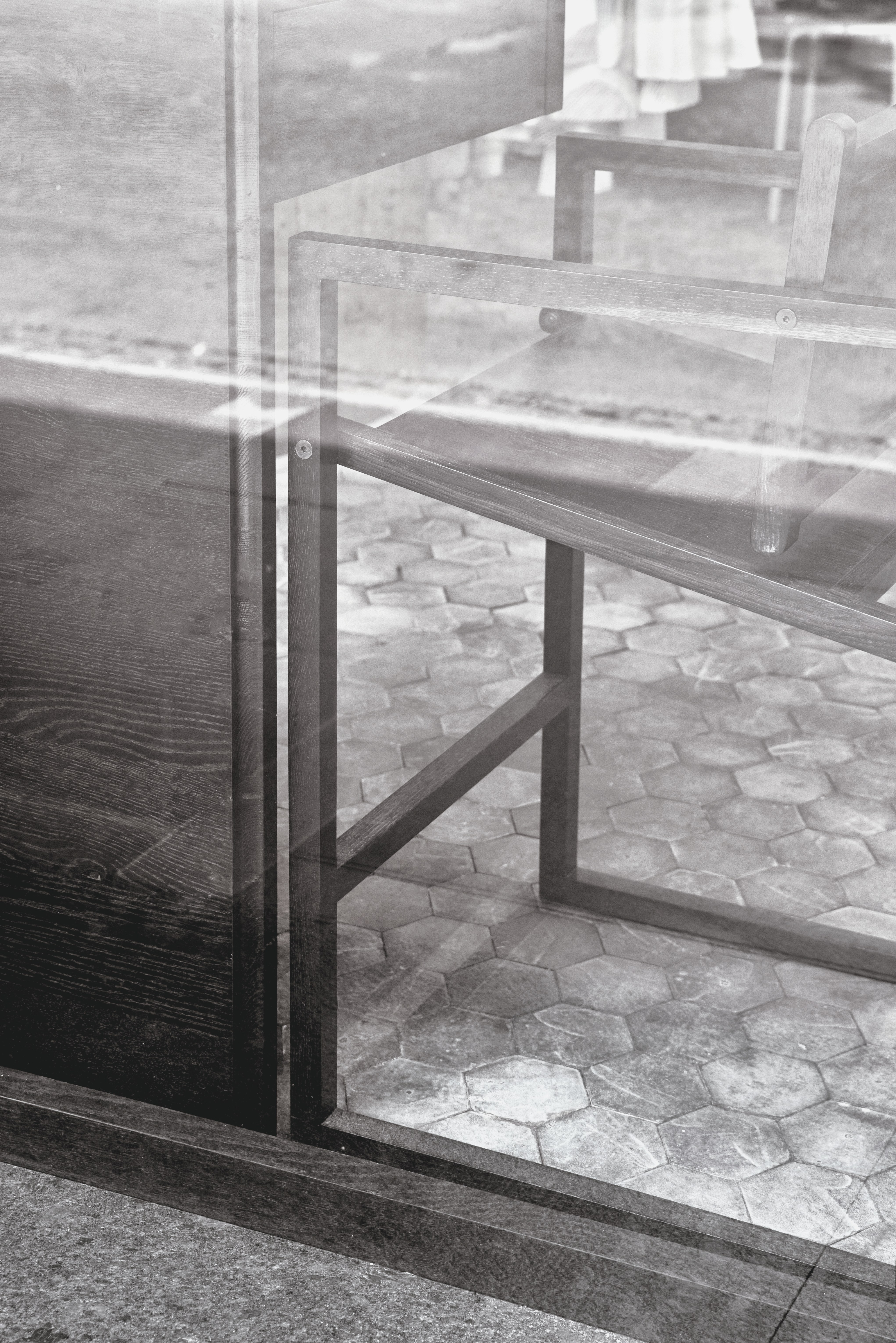
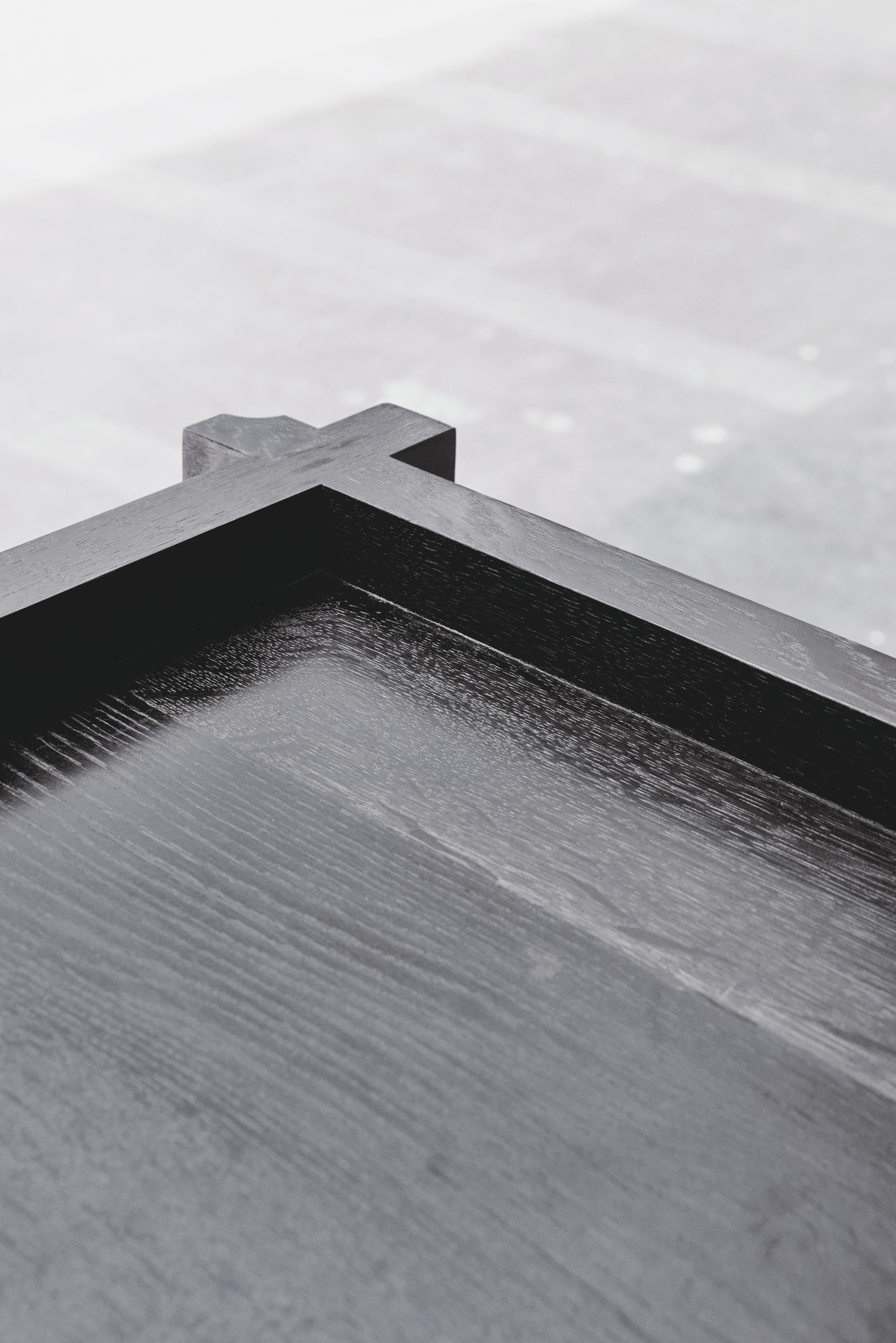
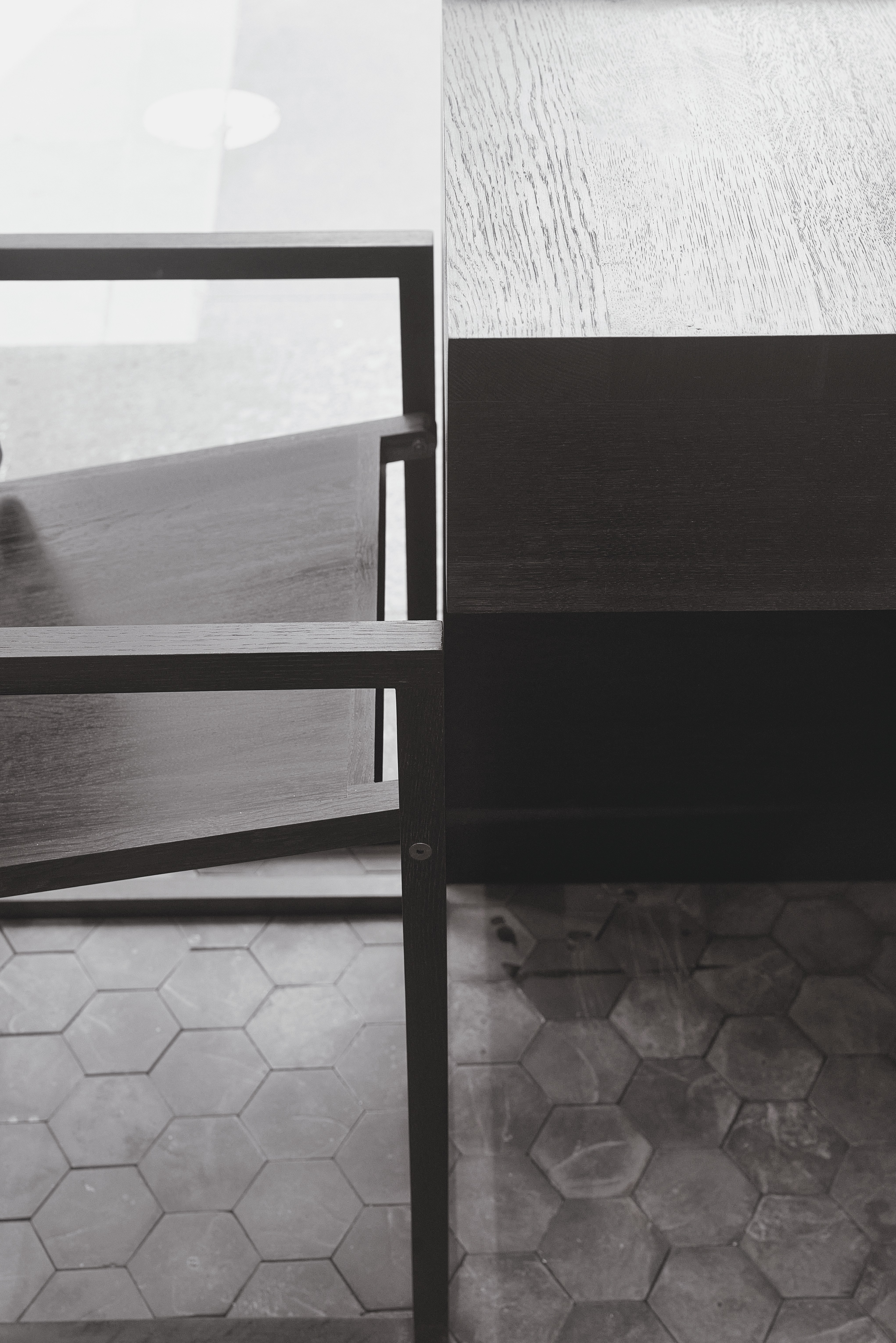
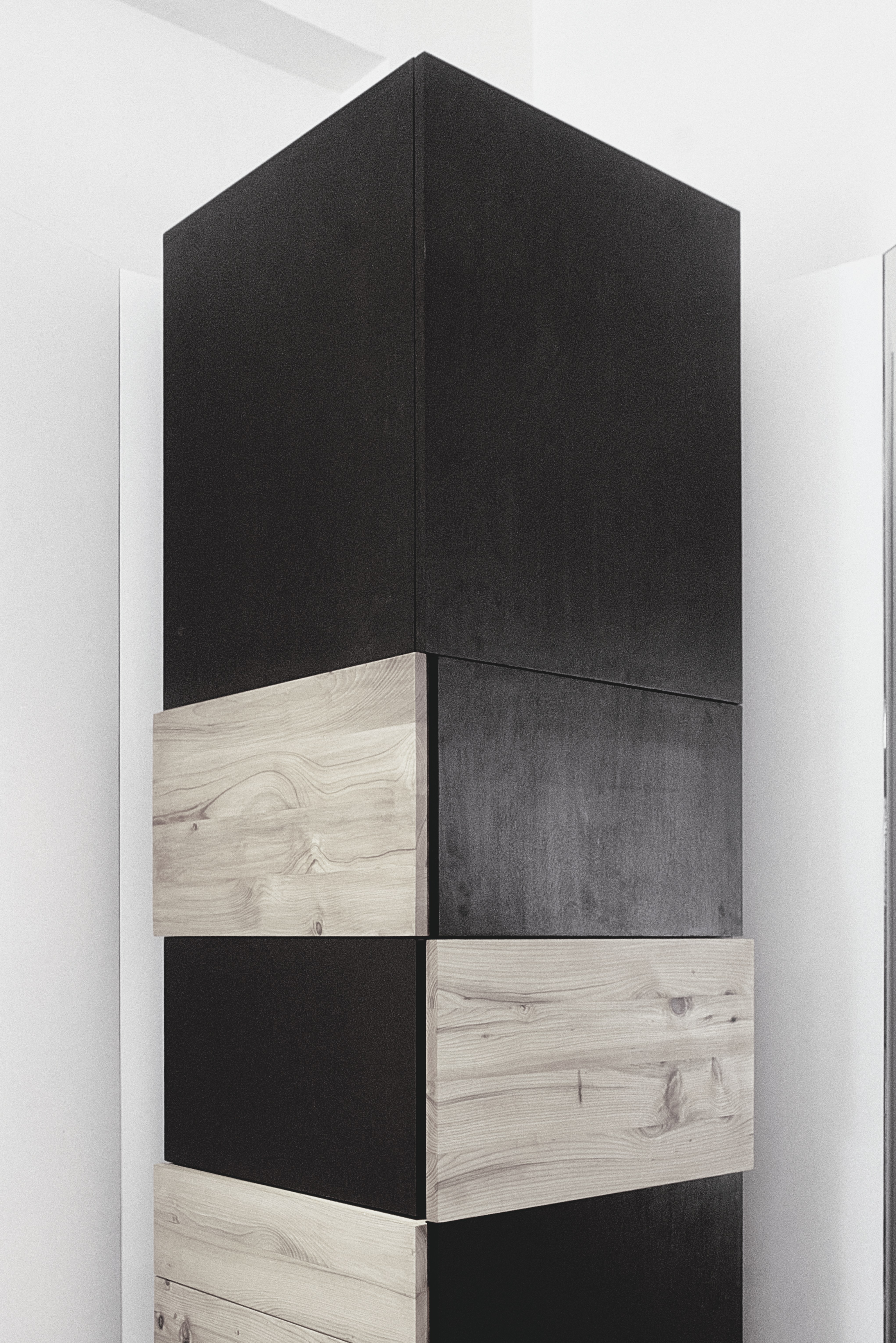
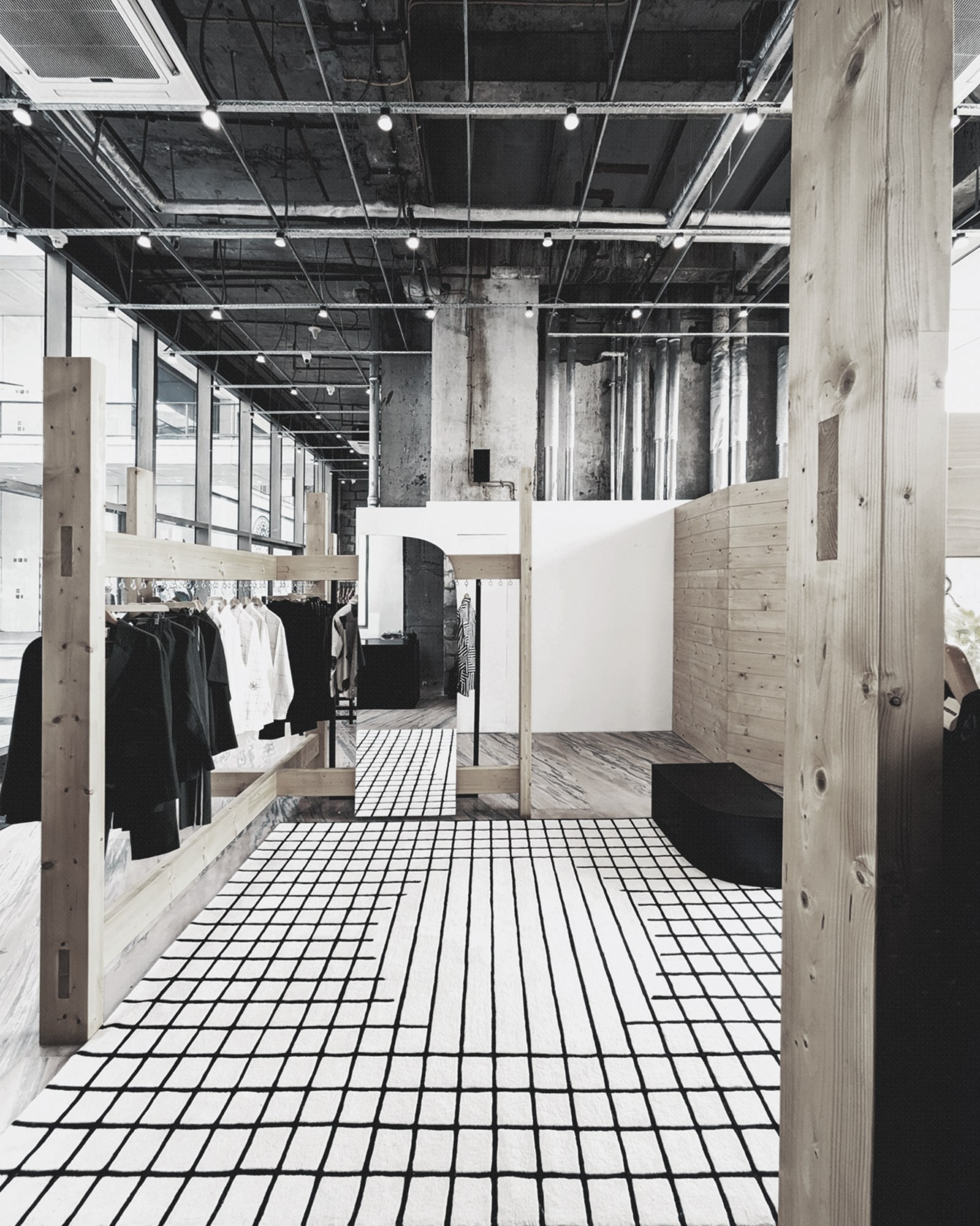
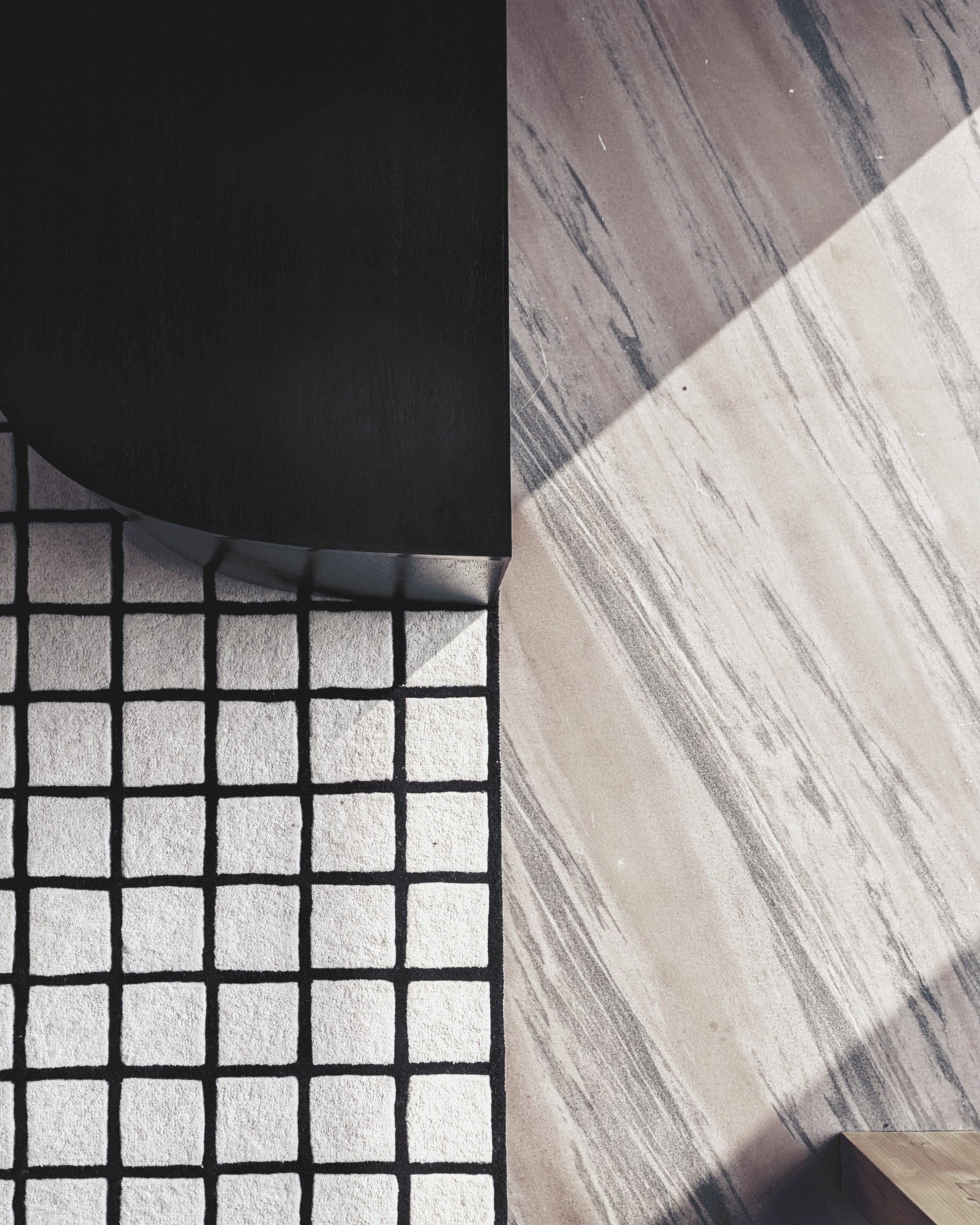
The palette is restrained: plaster, timber, and stone in tones that recede without disappearing. Display is considered furniture rather than shop fitting. The experience of moving through the store is unhurried by design.
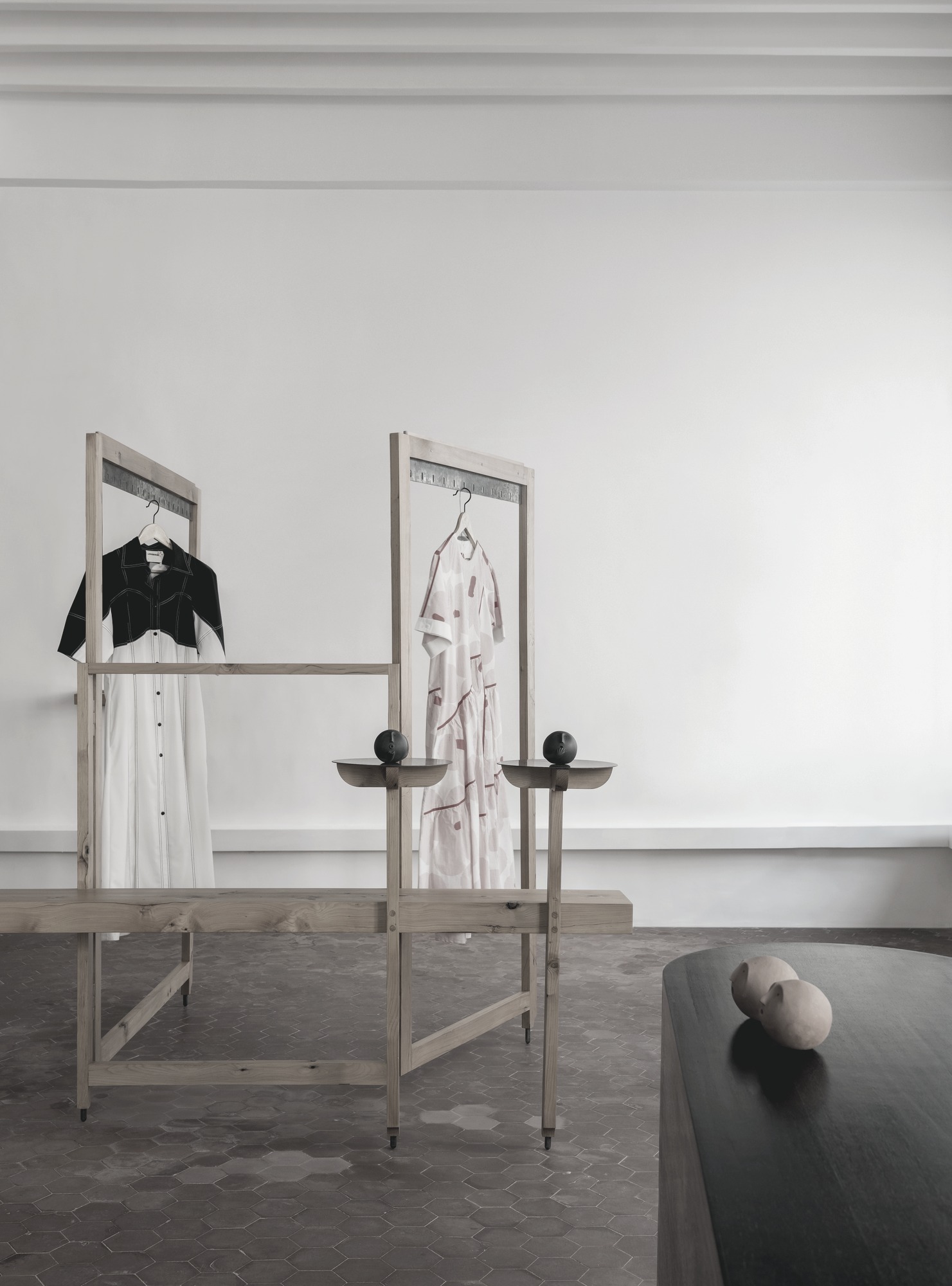
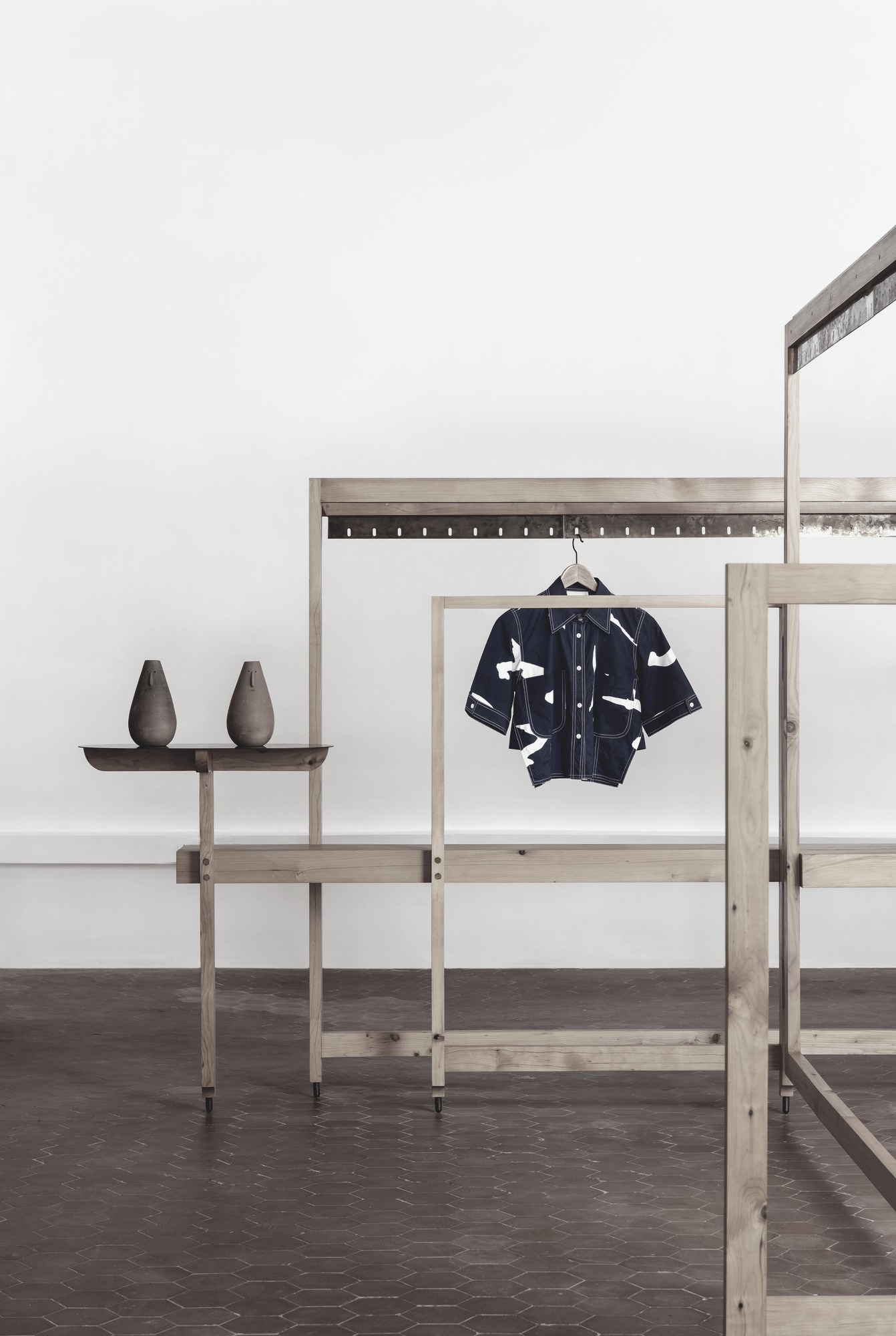
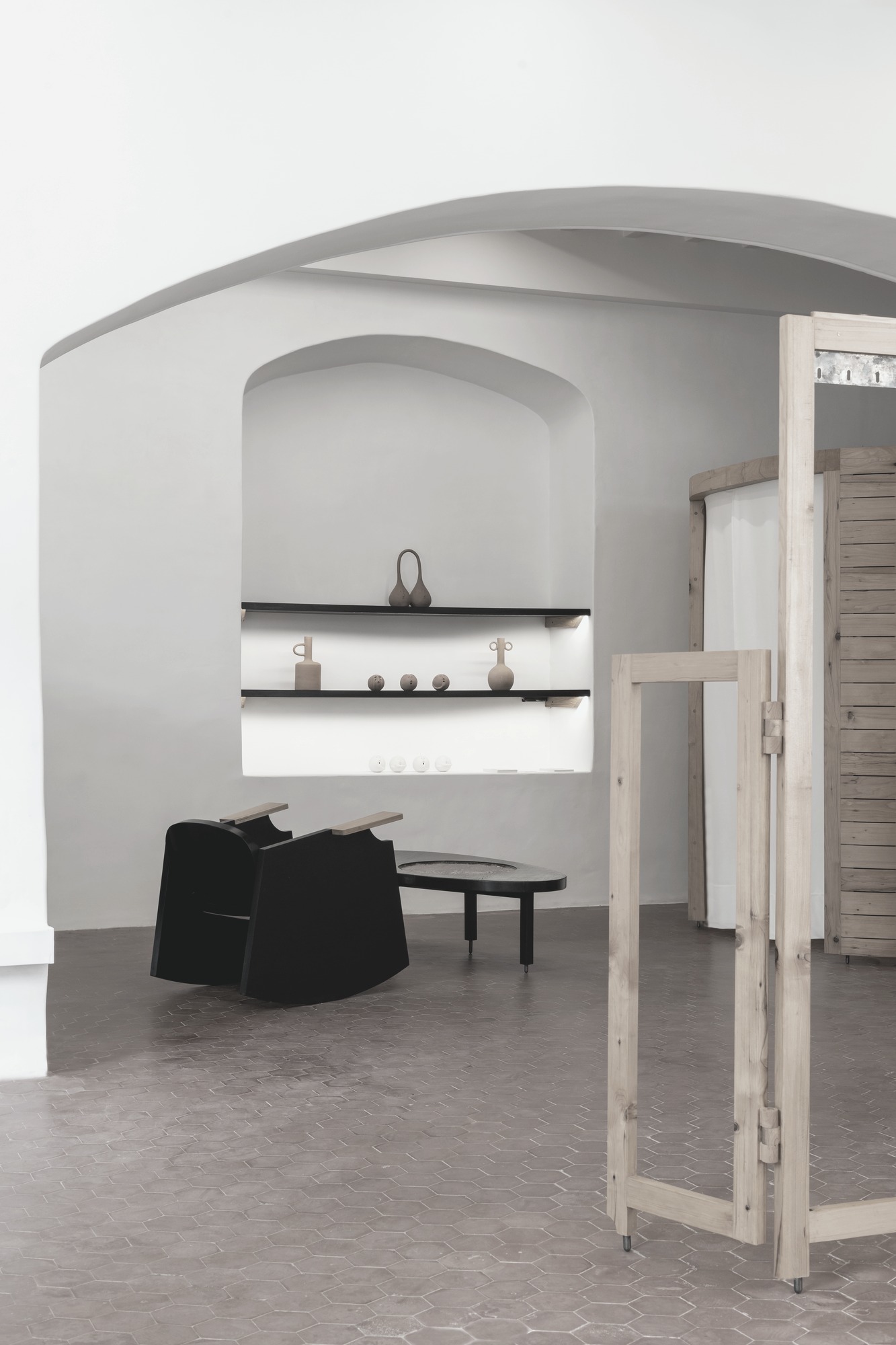
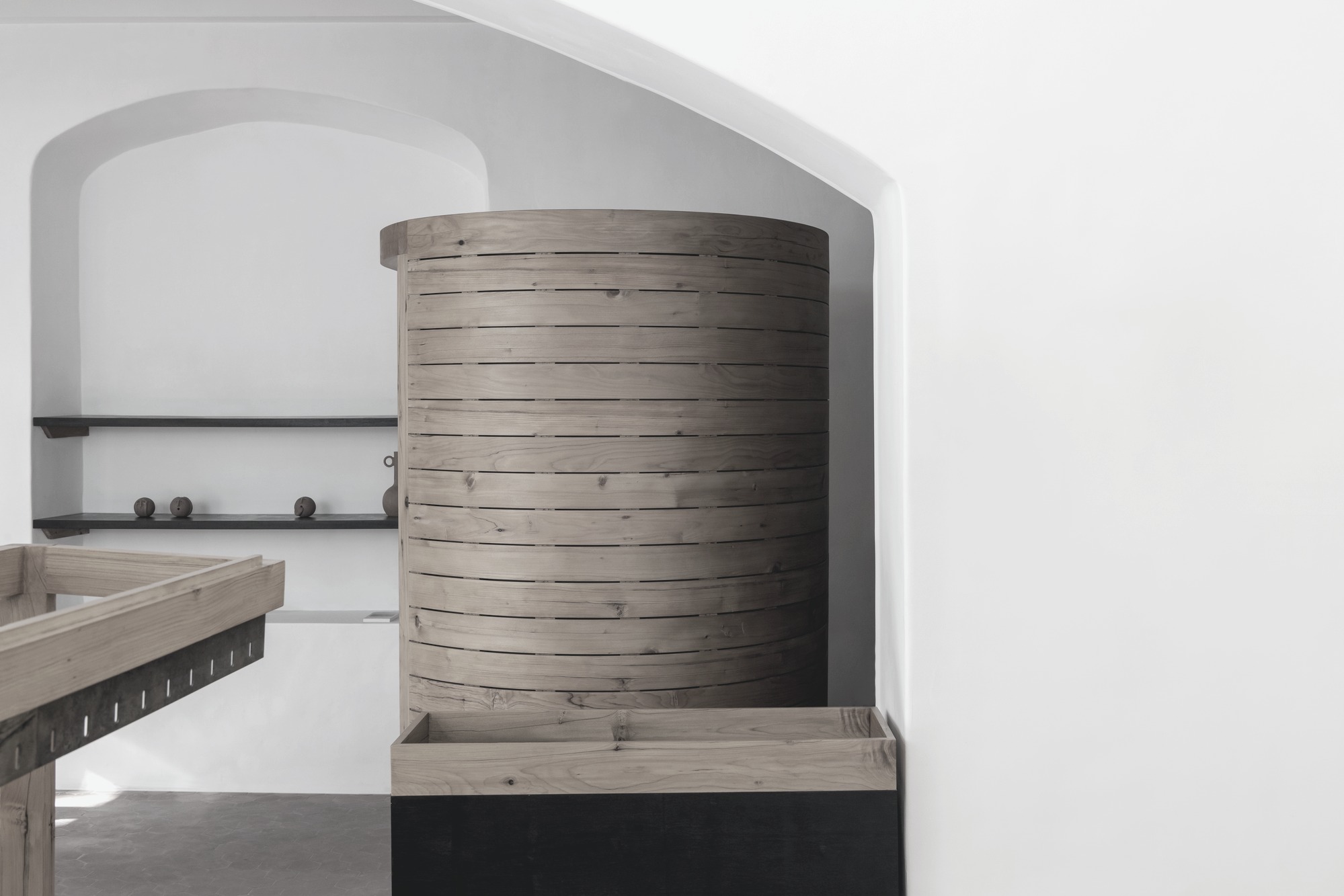
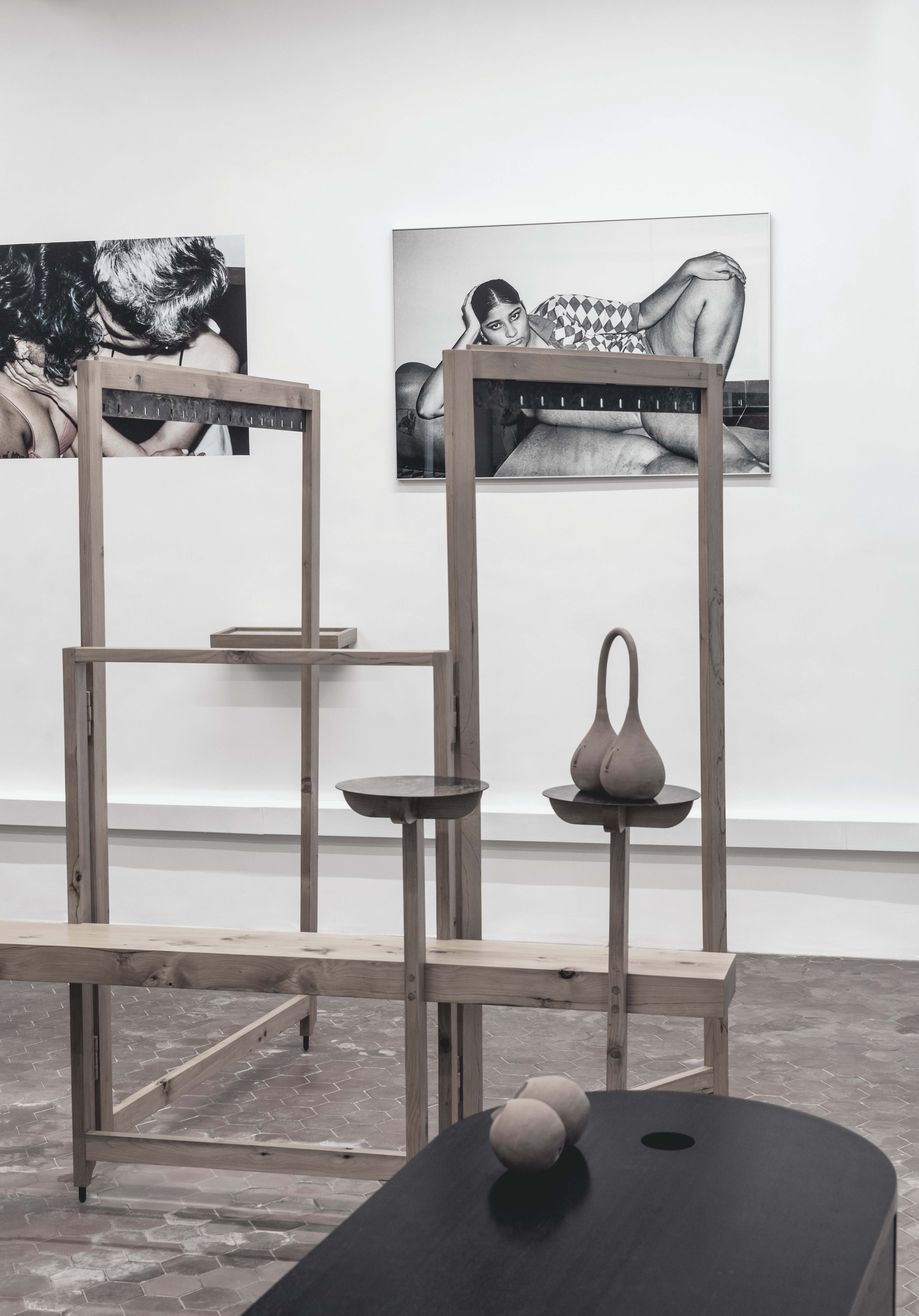
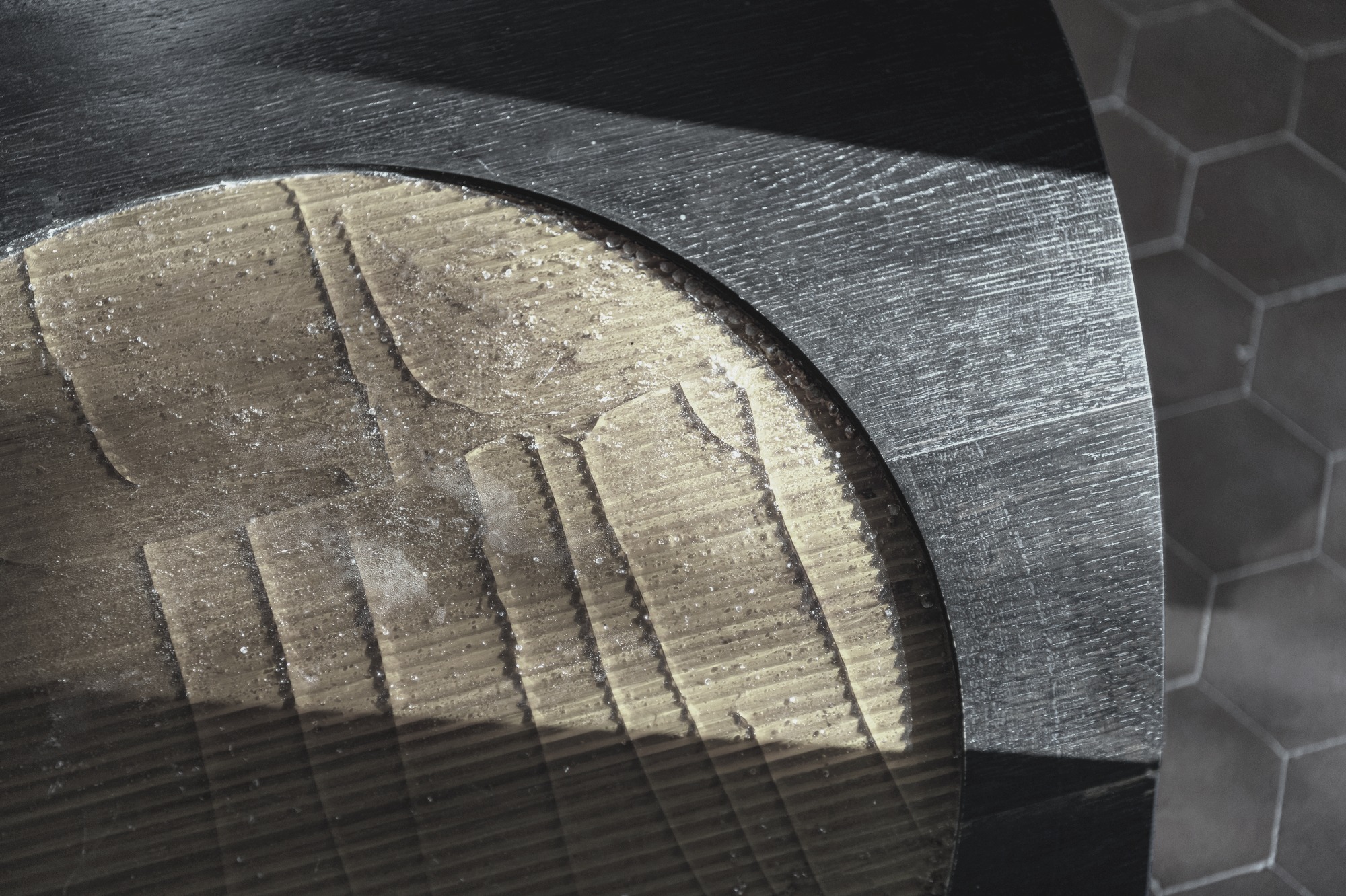
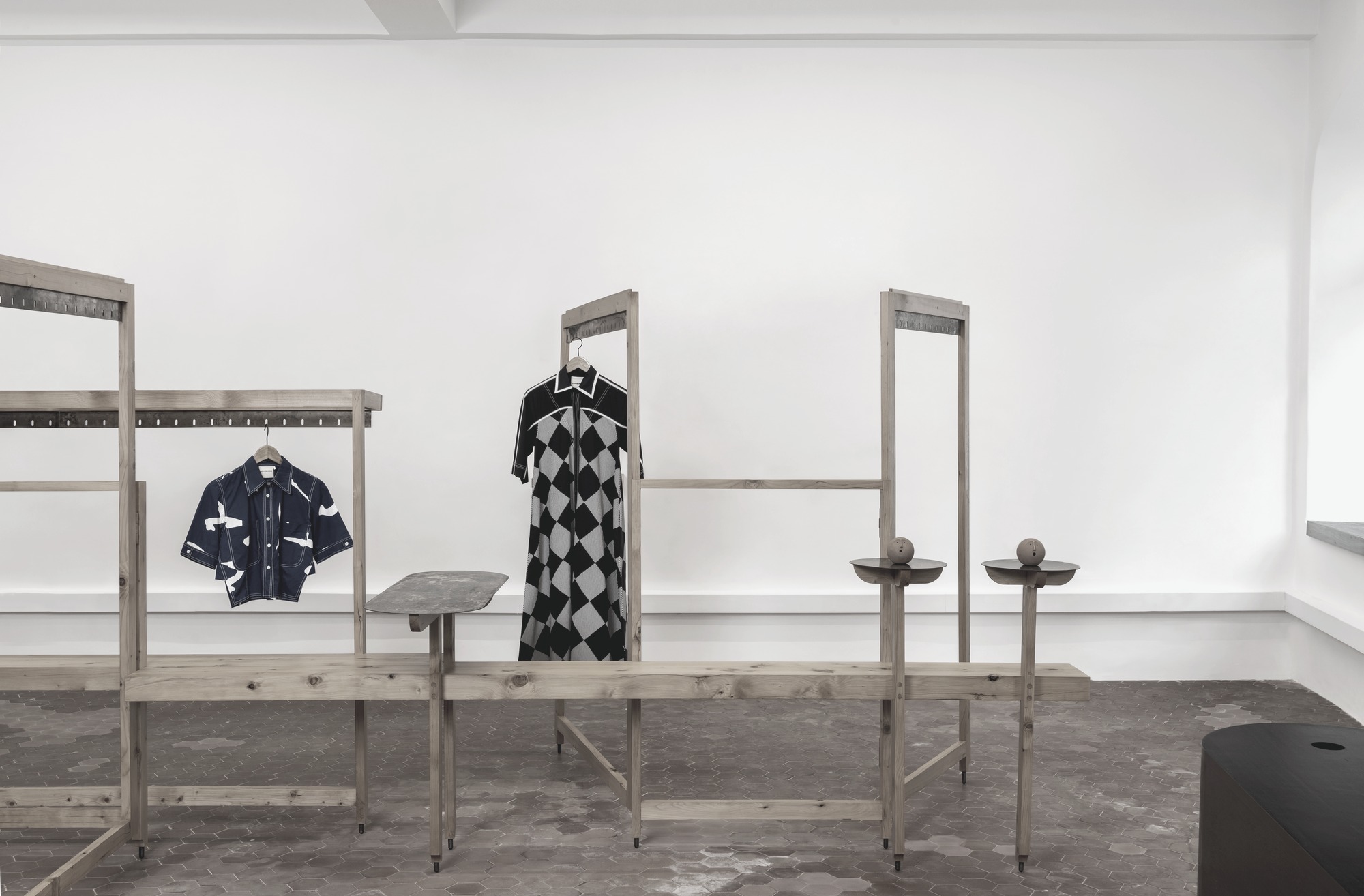
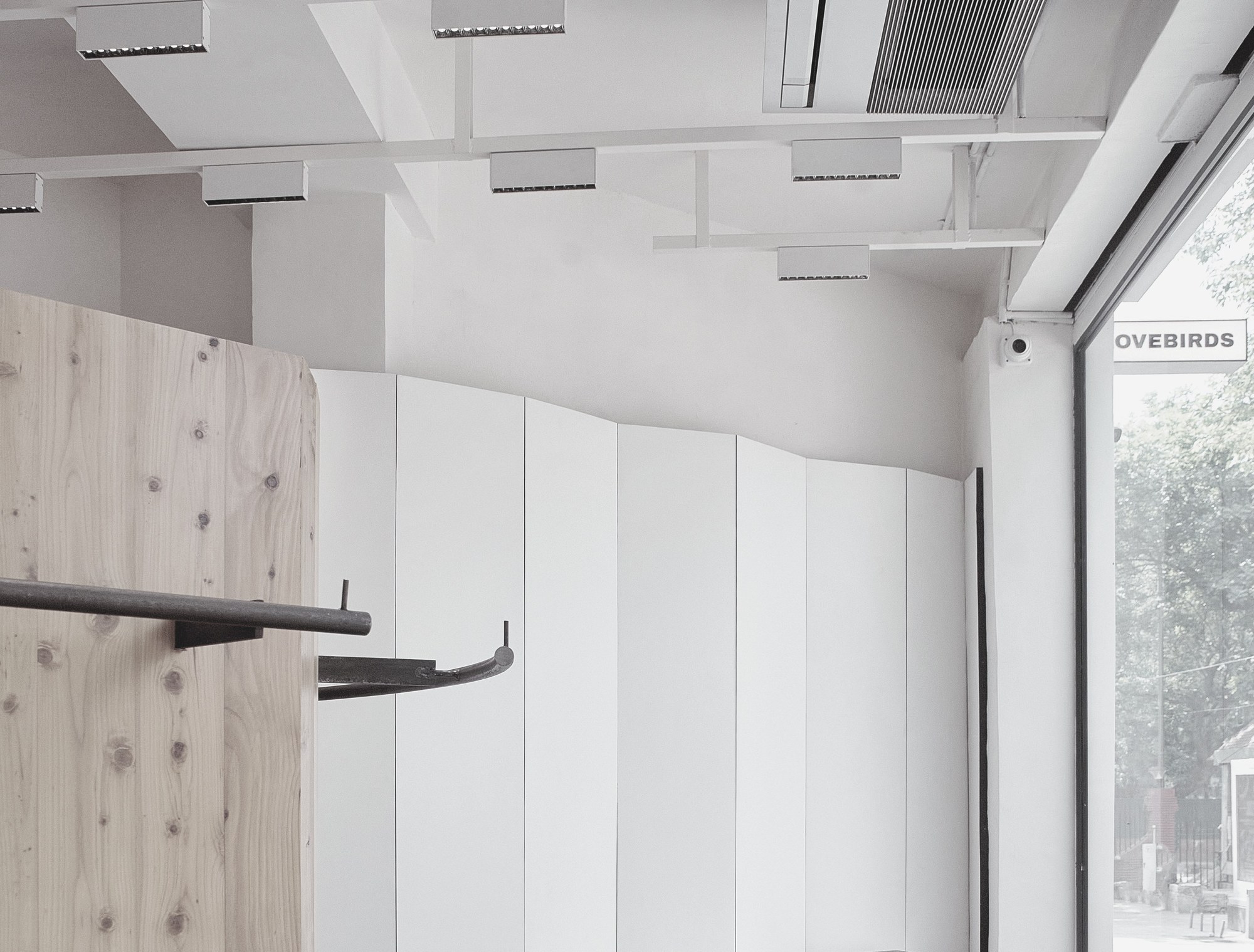
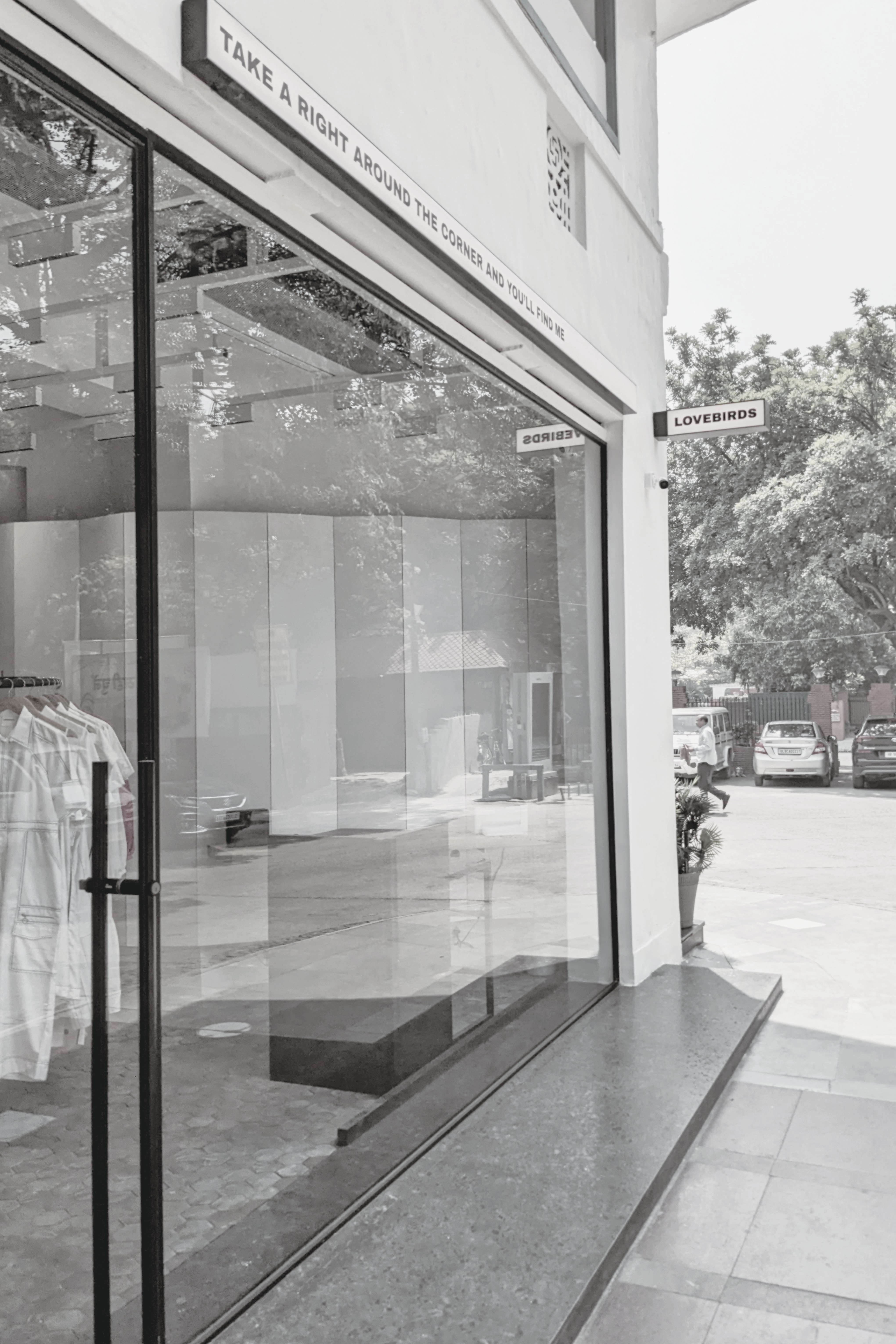
The Khan Market store is the most resolved of the three — a commission that arrived with the accumulated understanding of two previous collaborations. The neighbourhood is dense and characterful, and the store sits within it with a corresponding confidence: a room that knows what it is and makes no apology for its quietness.
The display system has been refined to its simplest possible form. Light is handled with more precision than in either of the earlier stores. The threshold from the street is carefully considered — the transition from the market's busyness to the interior's stillness is itself part of the design.


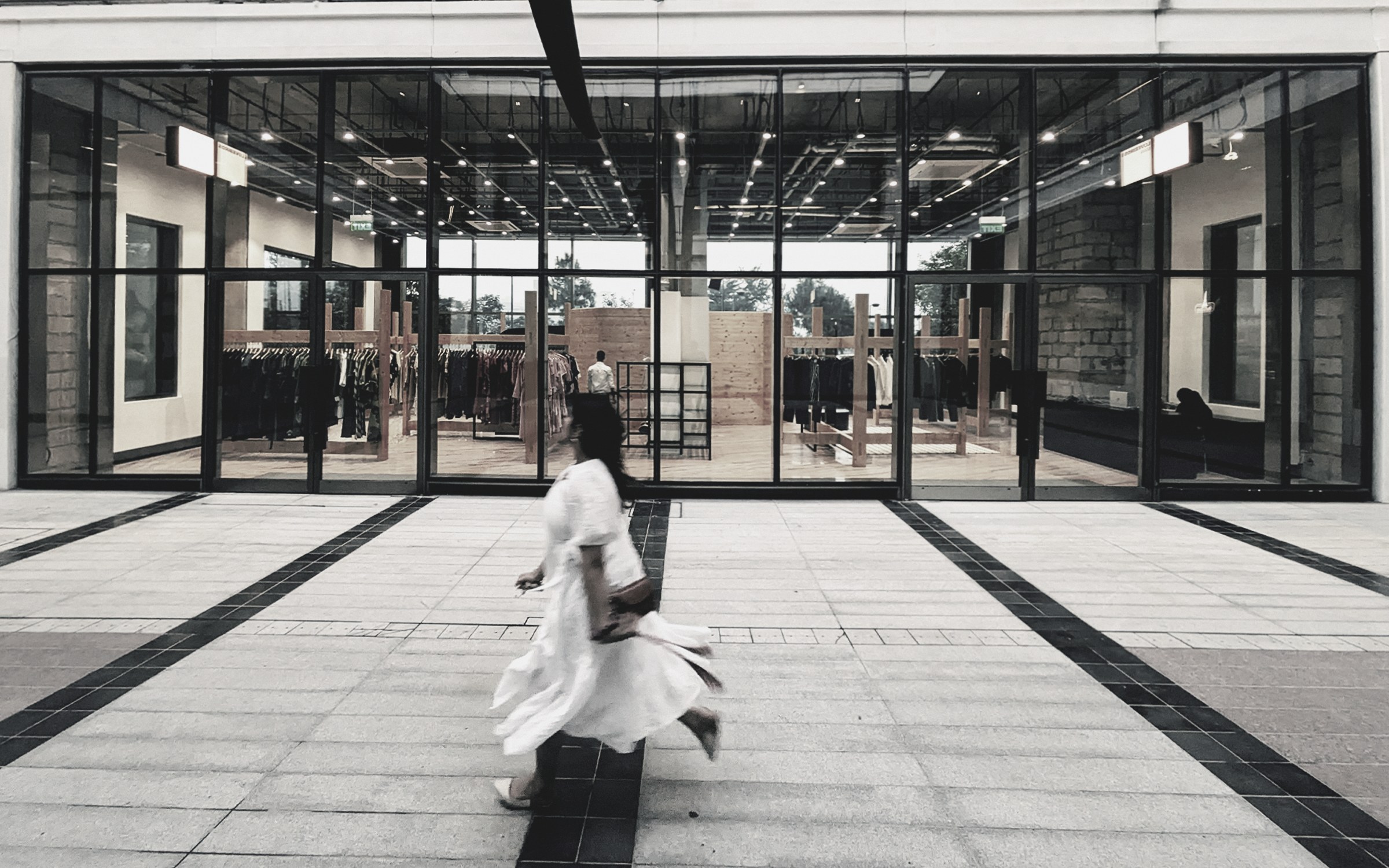
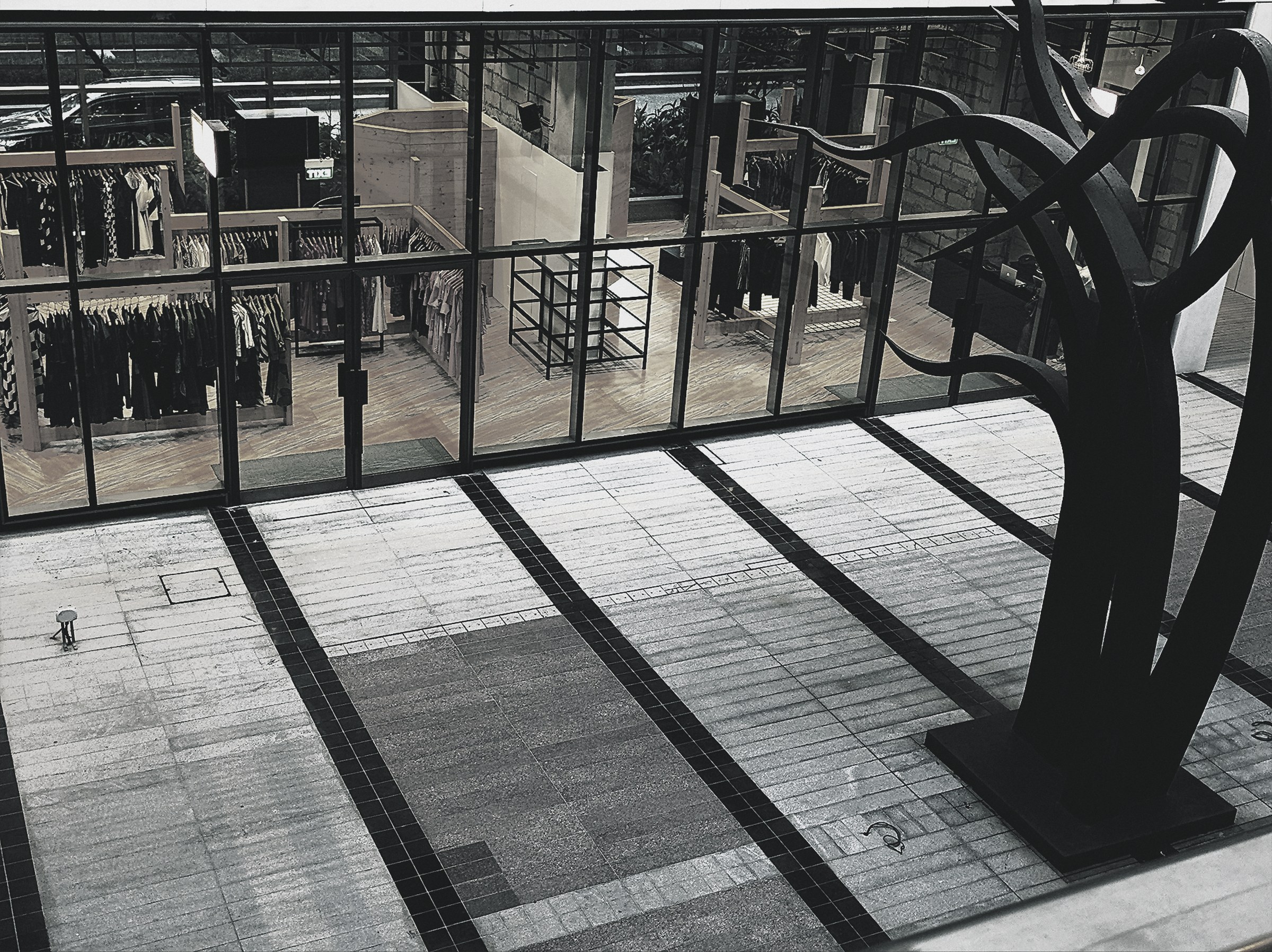
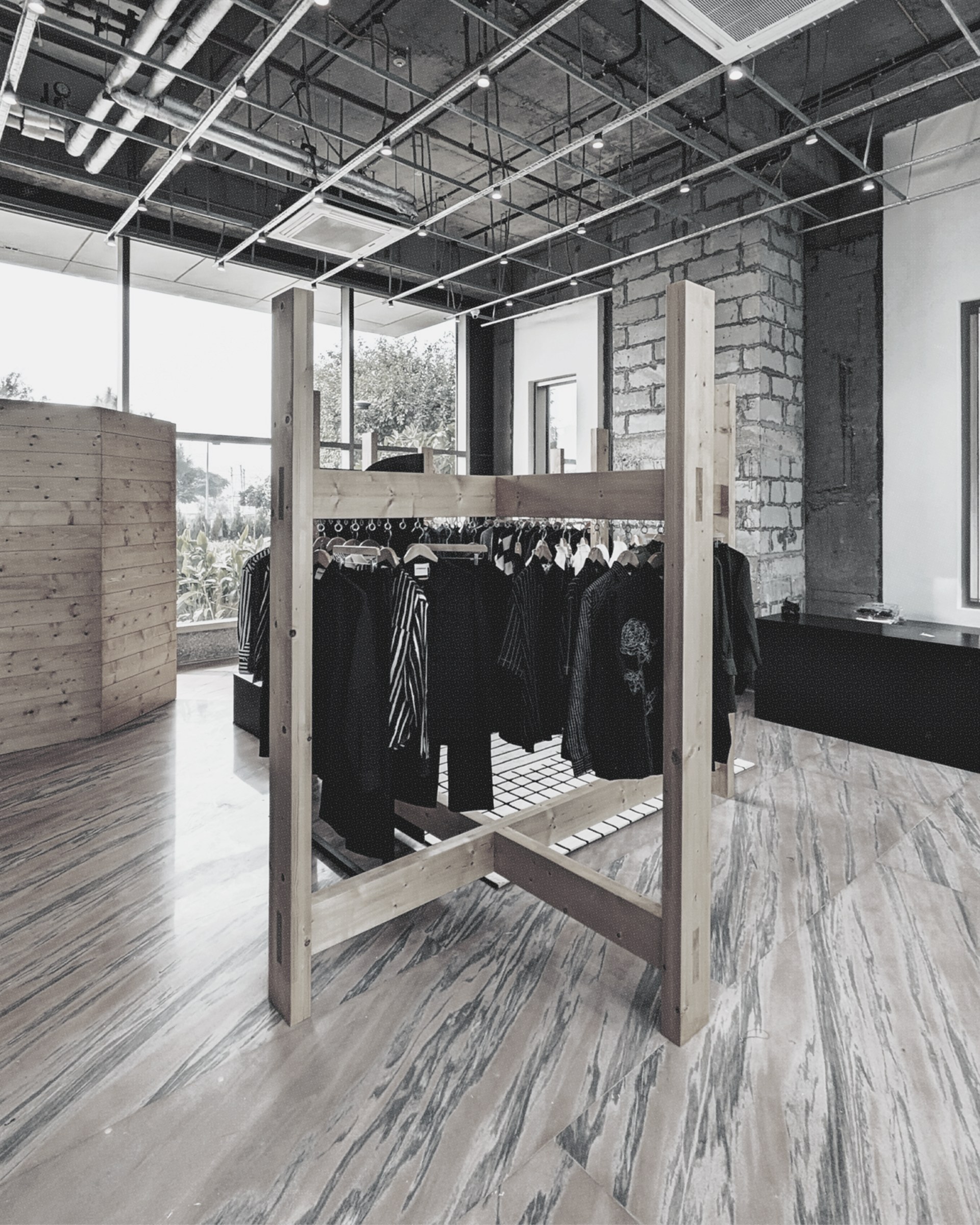
The Gurugram store occupies a mall context — a more resistant and commercially pressured environment than Colaba — and the challenge was to maintain the intimacy and editorial quality of the brand within a setting that works against both. The response was to treat the store as a room within a room: a self-contained interior world with its own logic of light and surface.
Materials from the first store are carried through, but applied in a different register. The sensibility is consistent; the space has adapted to its context without conceding to it.