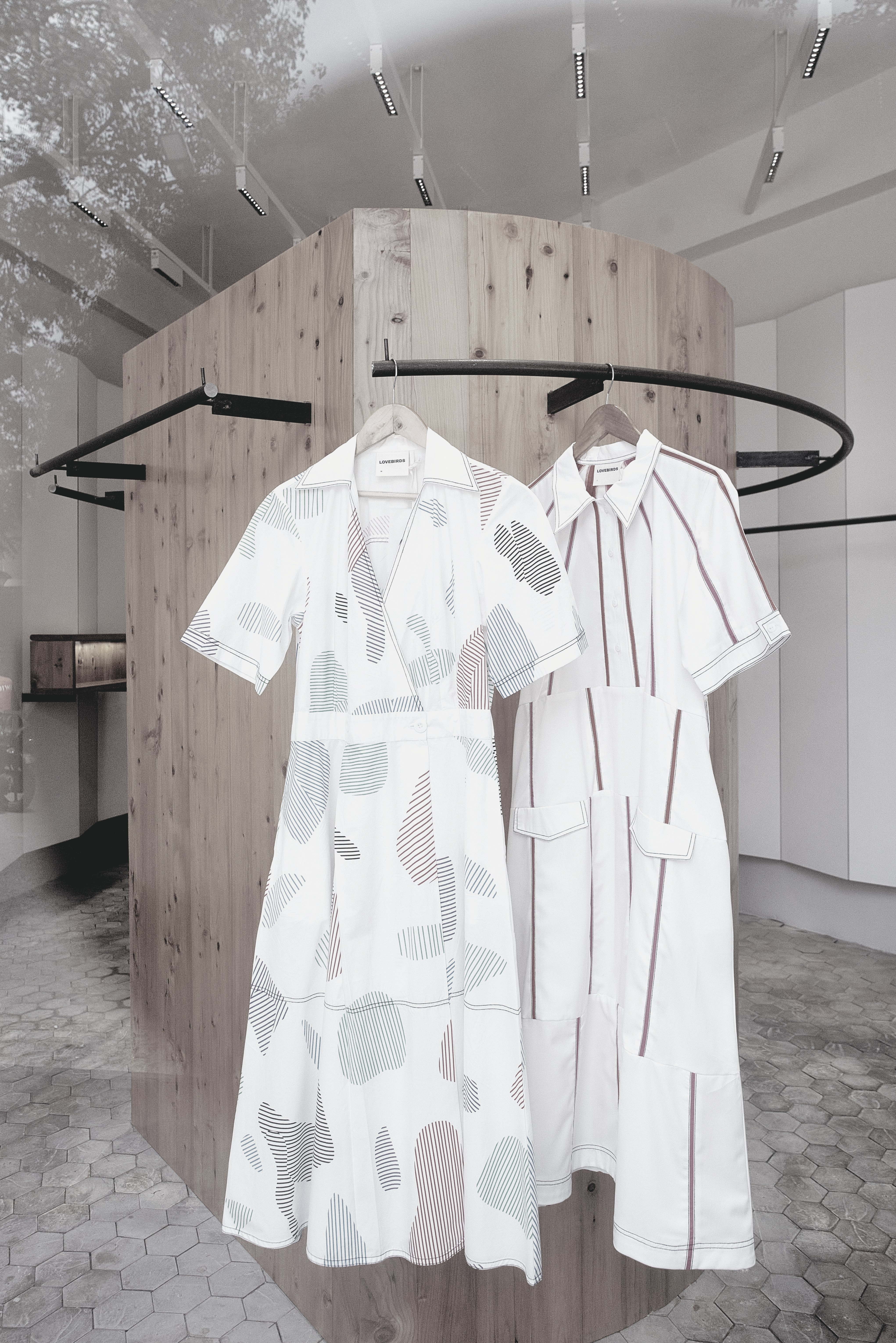
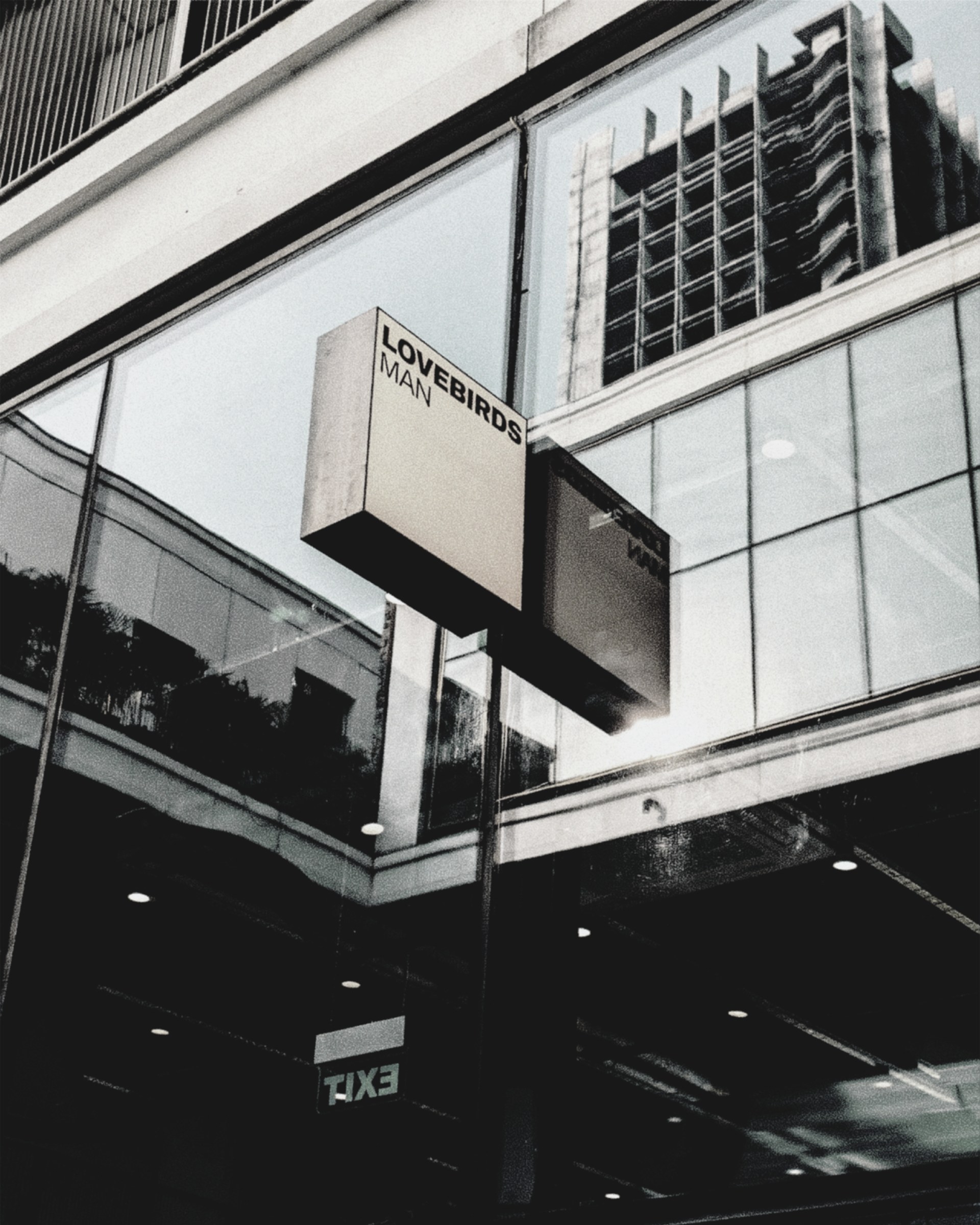
Lovebirds is a fashion label with a clear identity: intimate, considered, and resolutely independent. Each of its three store commissions approached the same question from a different city: how does a space carry a brand without illustrating it?
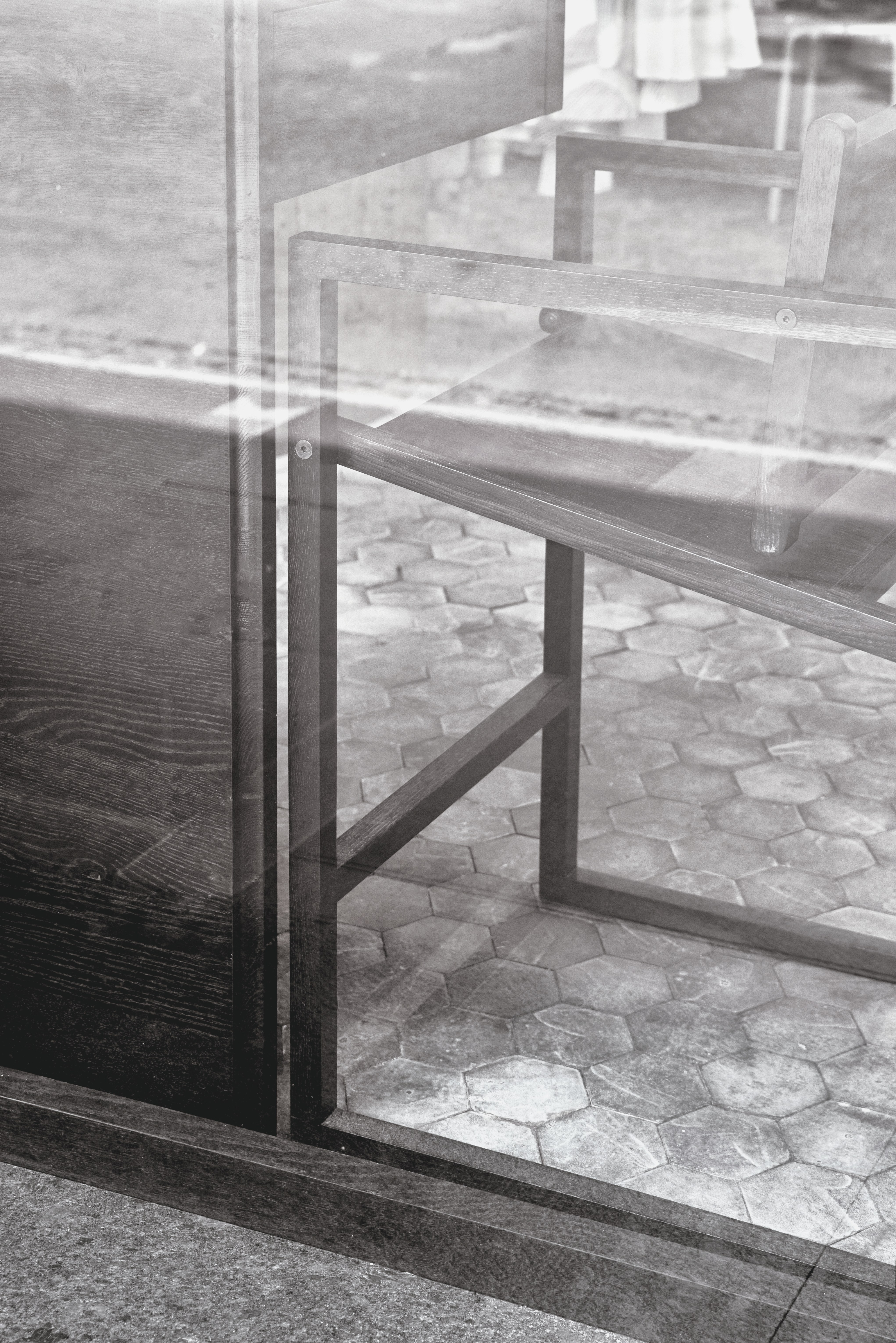
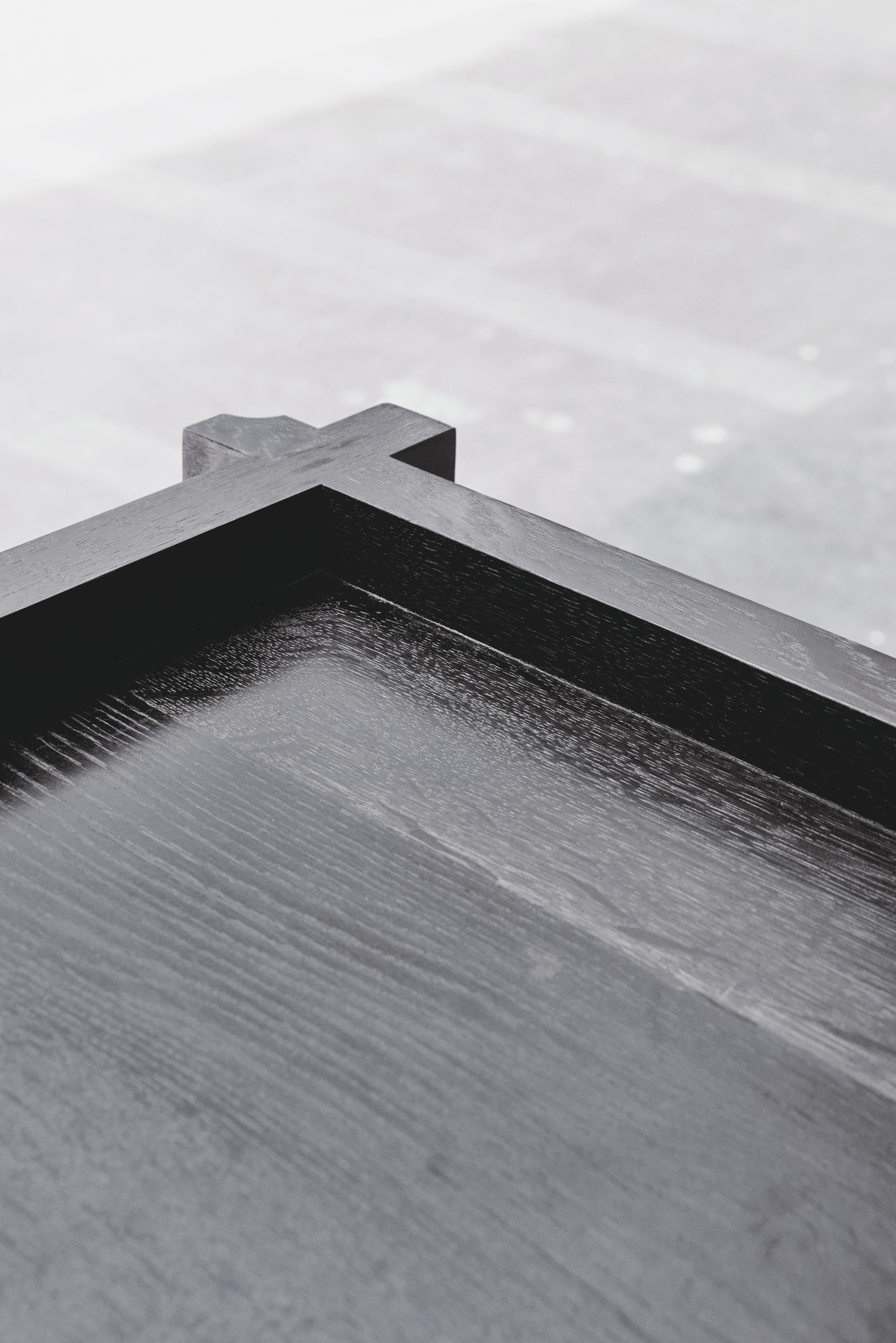
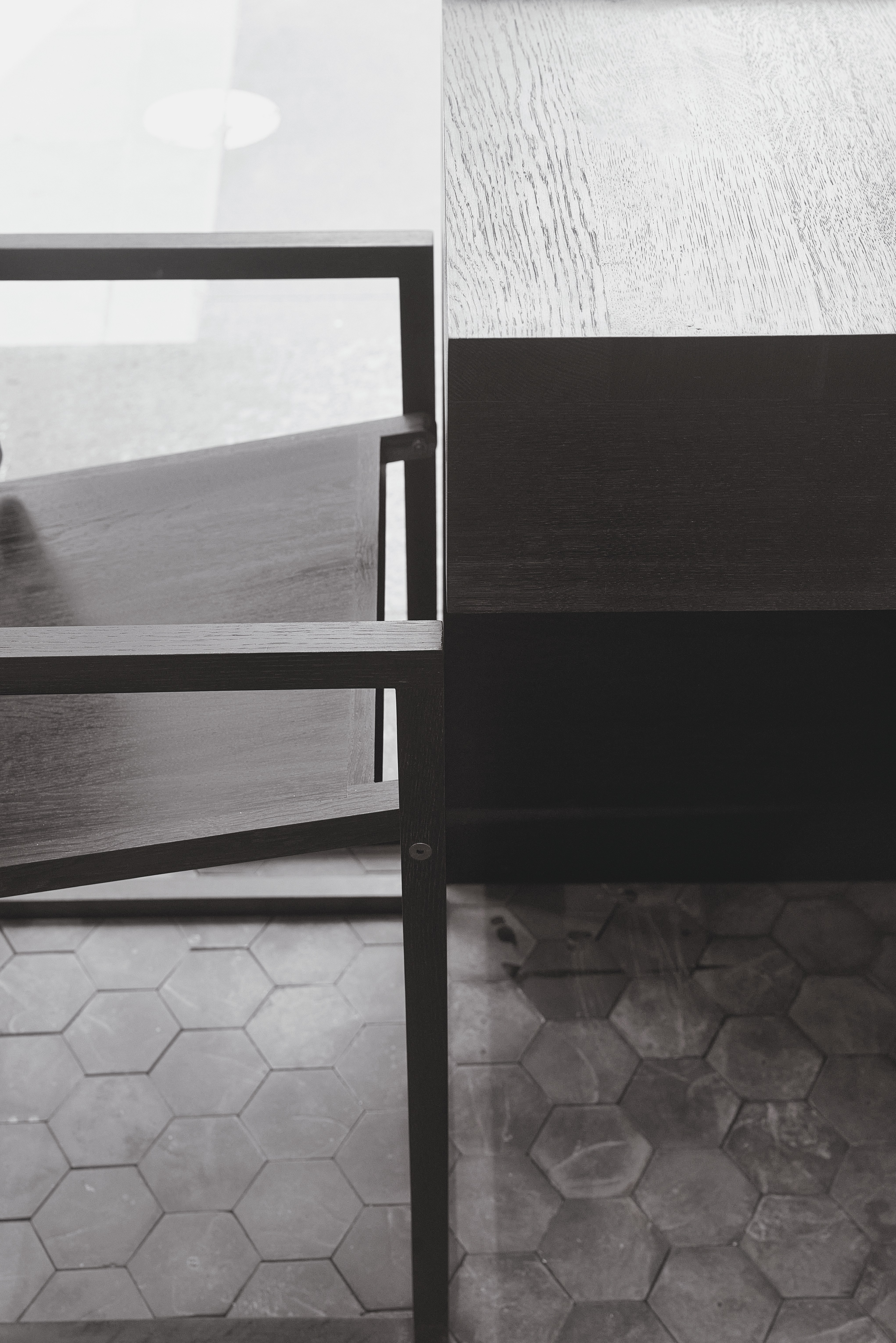
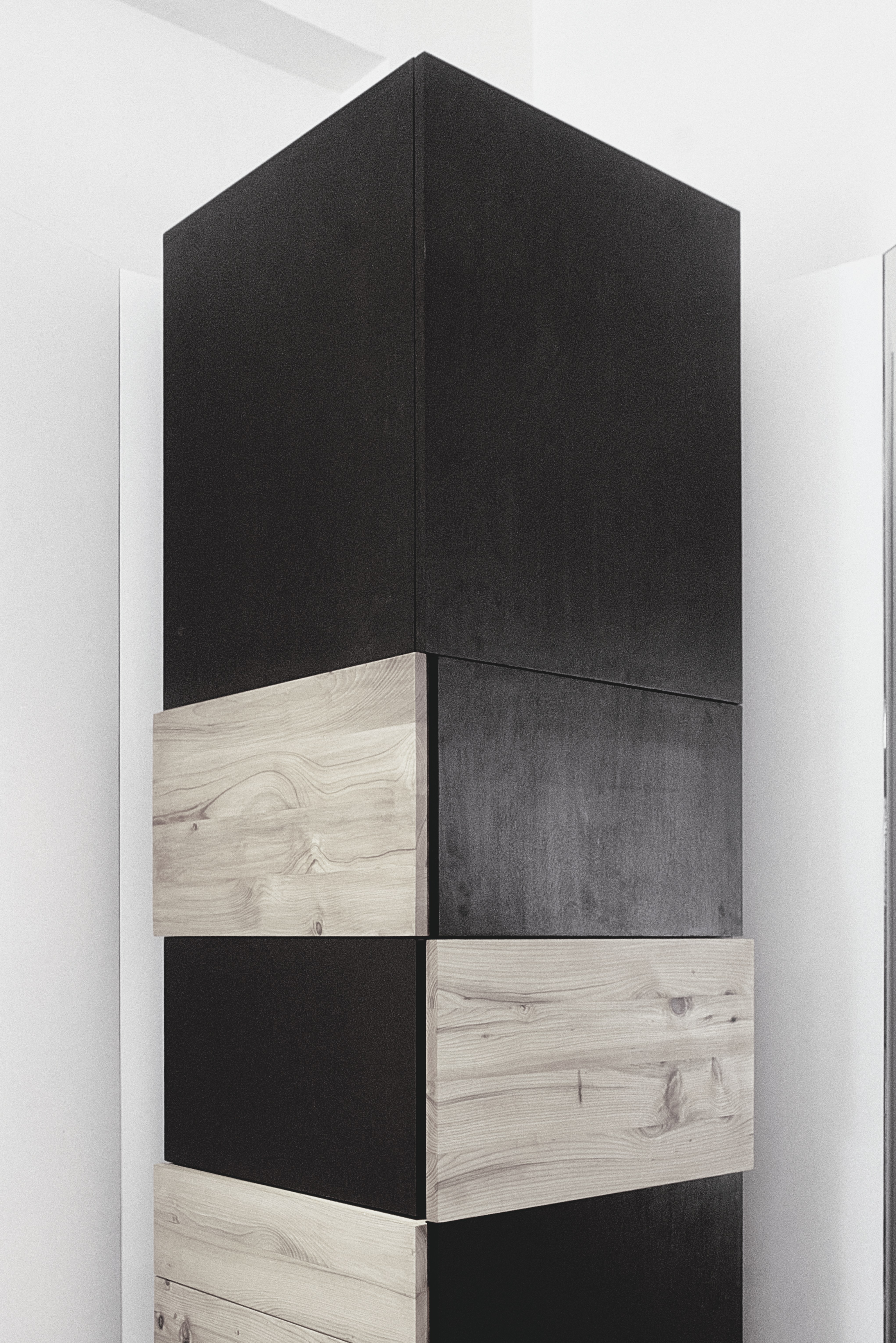
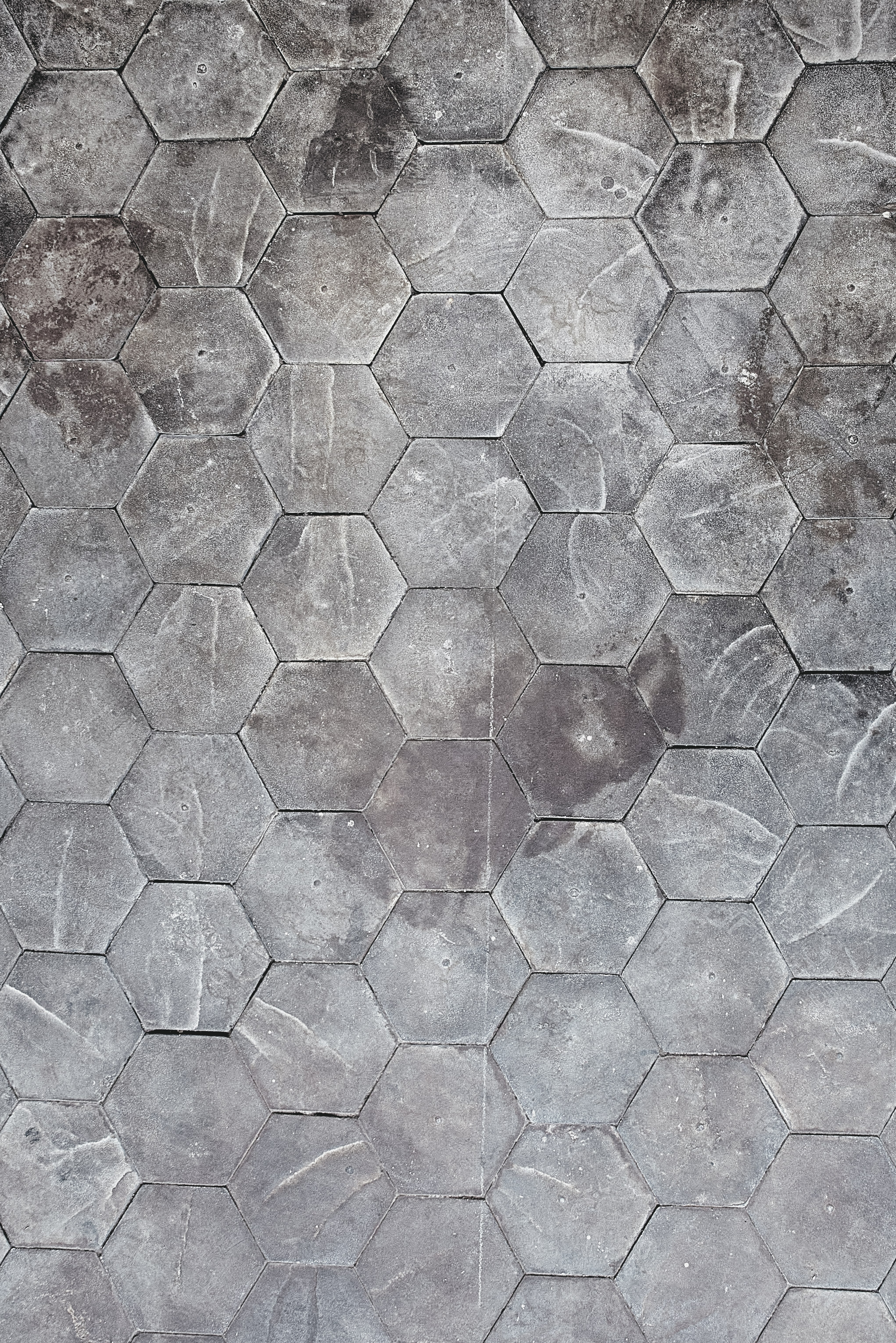
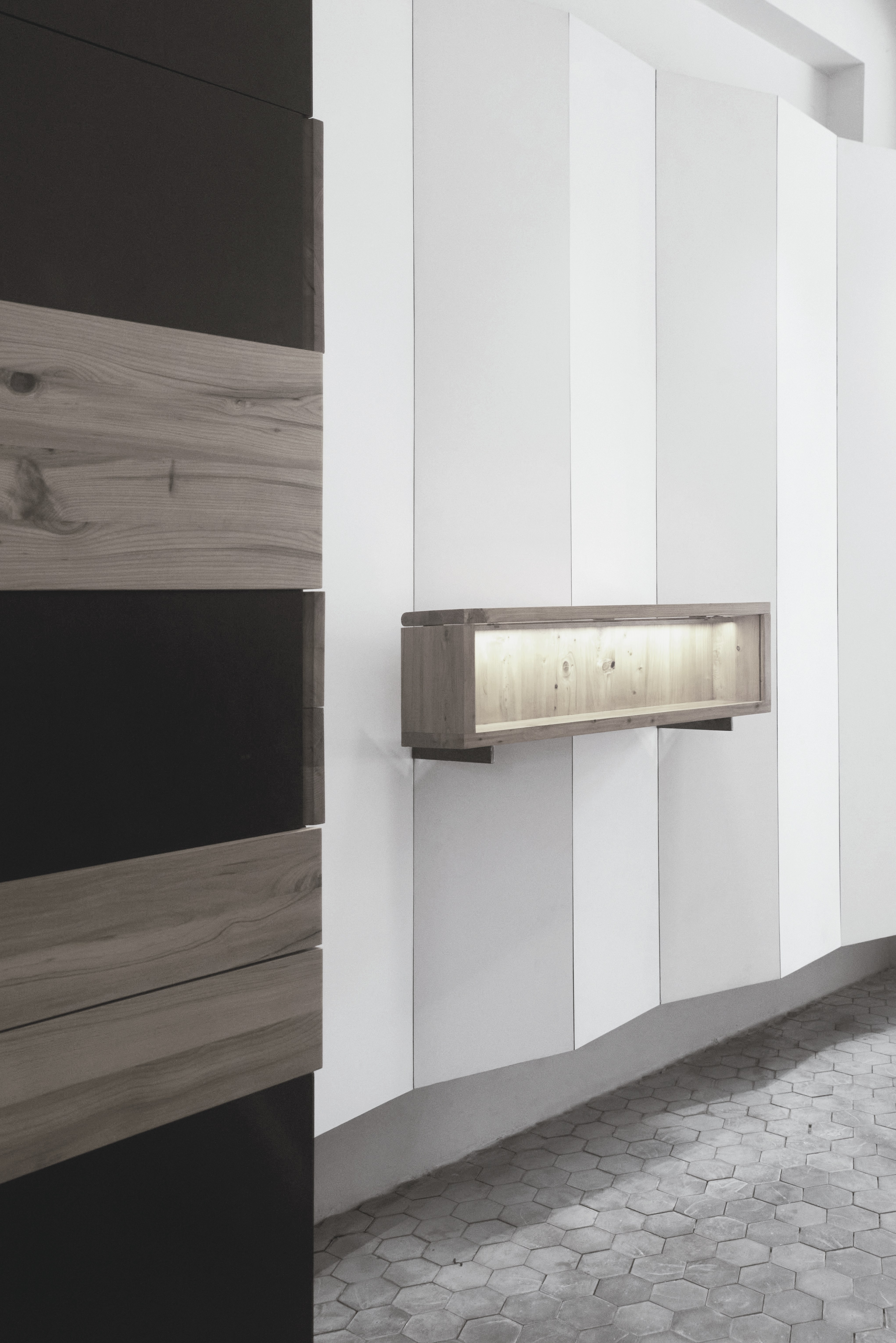
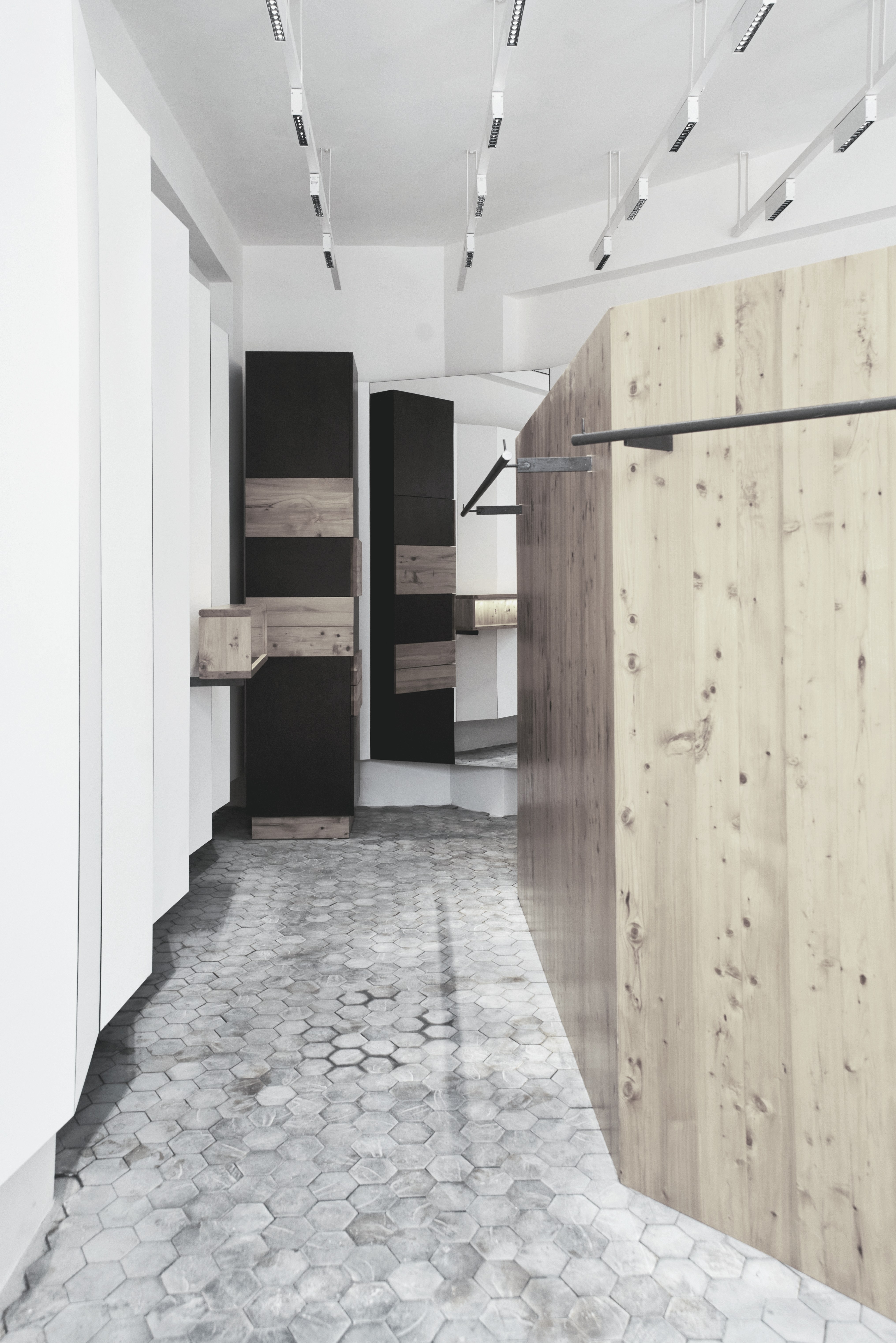
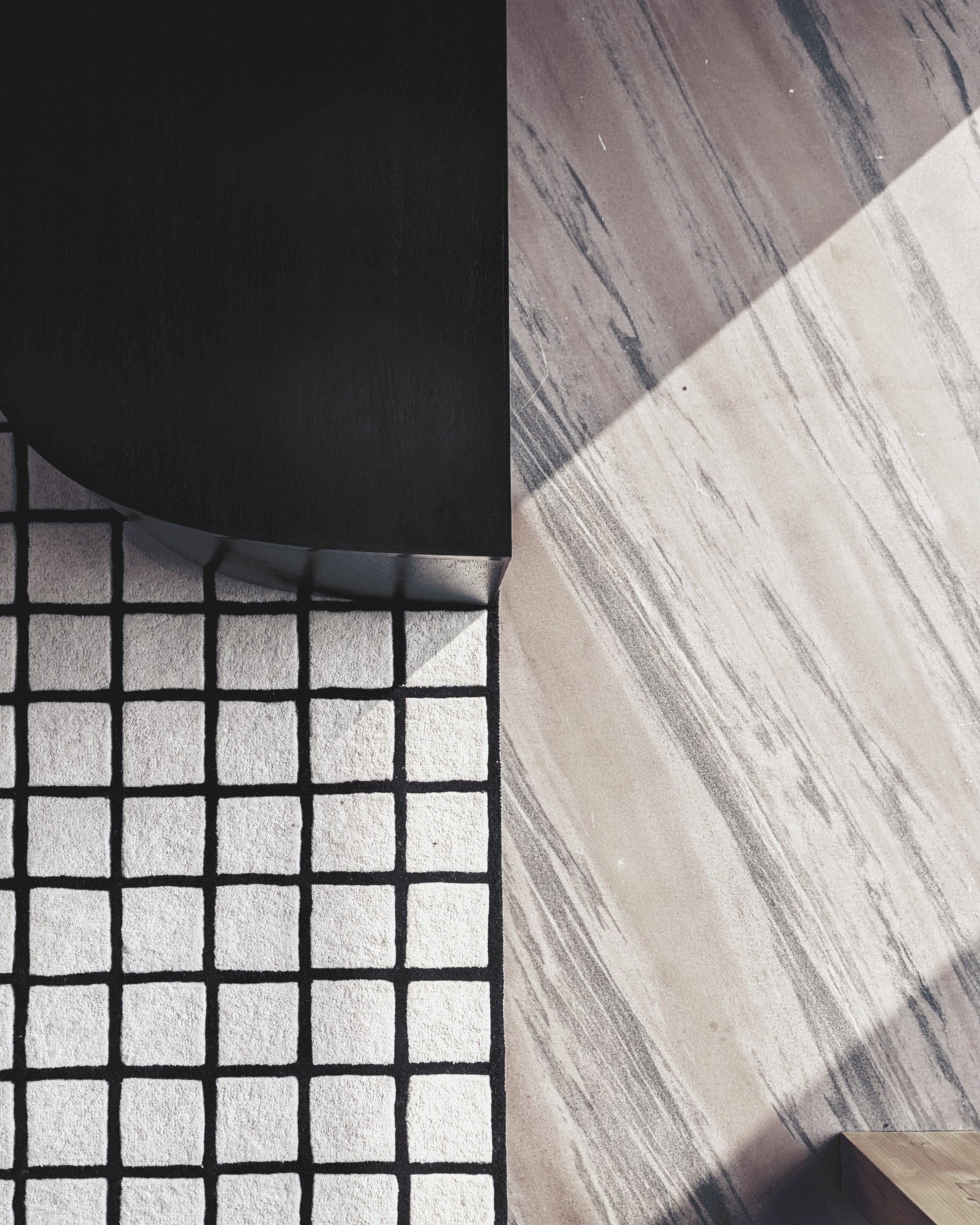
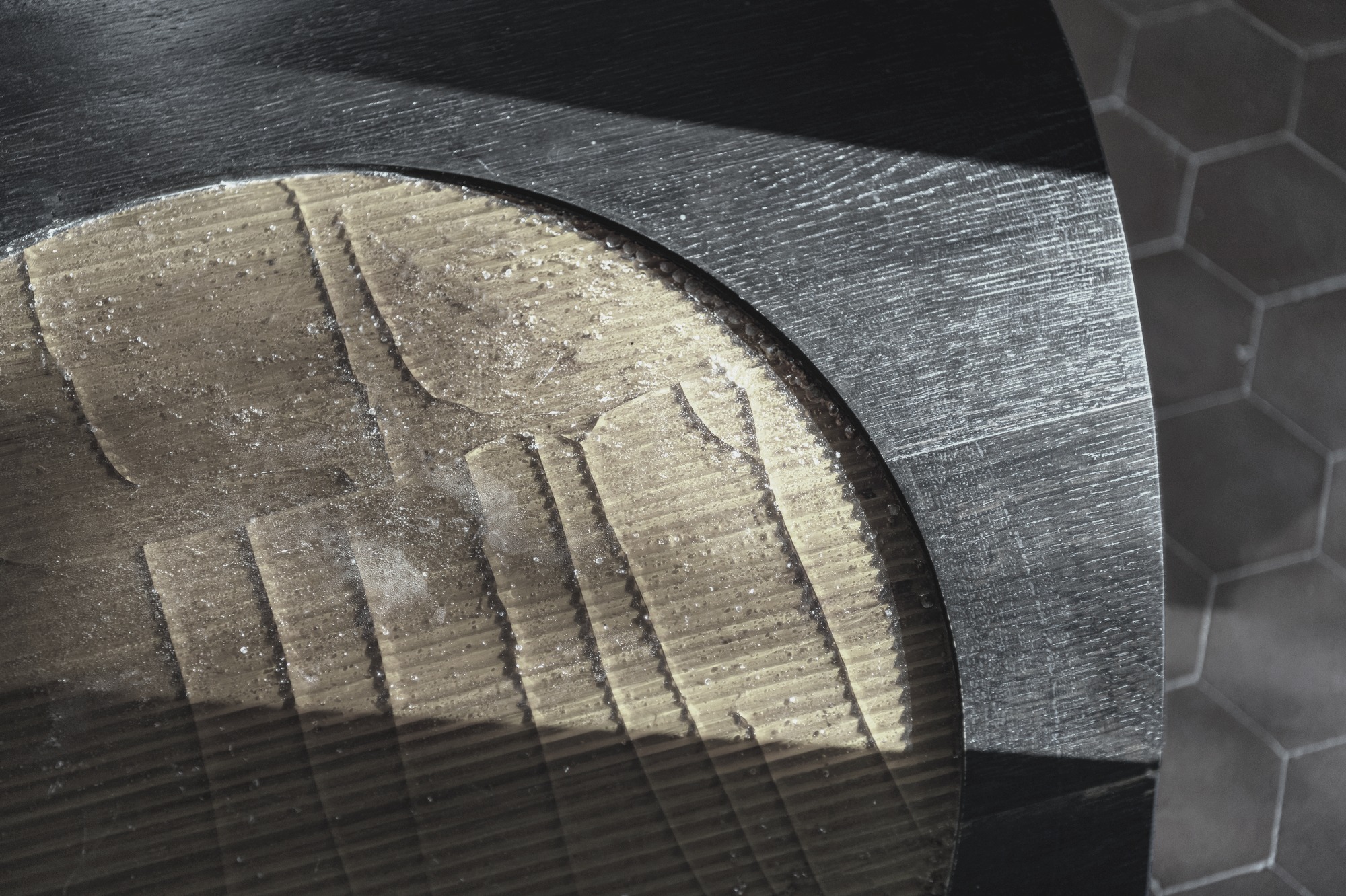
Across the three stores, a shared sensibility develops through a play with materials. Texture, surface, colour, and light become ways of exploring what each room might be. Decisions emerge through making, allowing the character of a material and the possibilities of working with it to influence the space.
Each store takes its own form, responding to its setting while carrying this curiosity through its details. What connects the three is an attention to how things are made, how they feel, and how they sit alongside the clothes. Together, they give Lovebirds three distinct rooms with a common spirit.
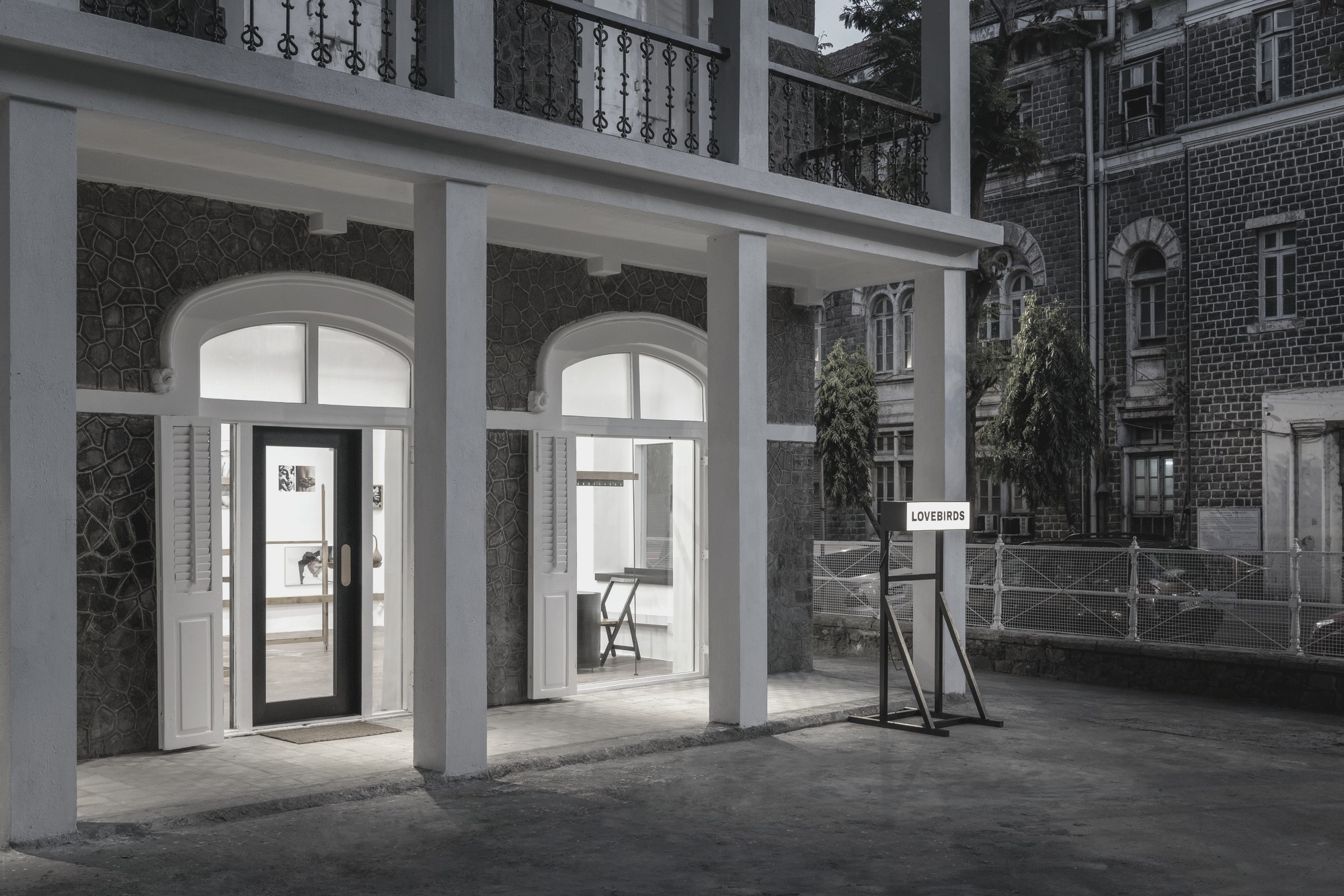
The first Lovebirds store, in Colaba, established the terms of the practice's engagement with retail: a quiet room, carefully lit, where the priority is always the object being offered rather than the architecture that frames it. The brief was to create a space that felt edited and deliberate — an extension of the label's own design sensibility rather than a neutral backdrop for it.
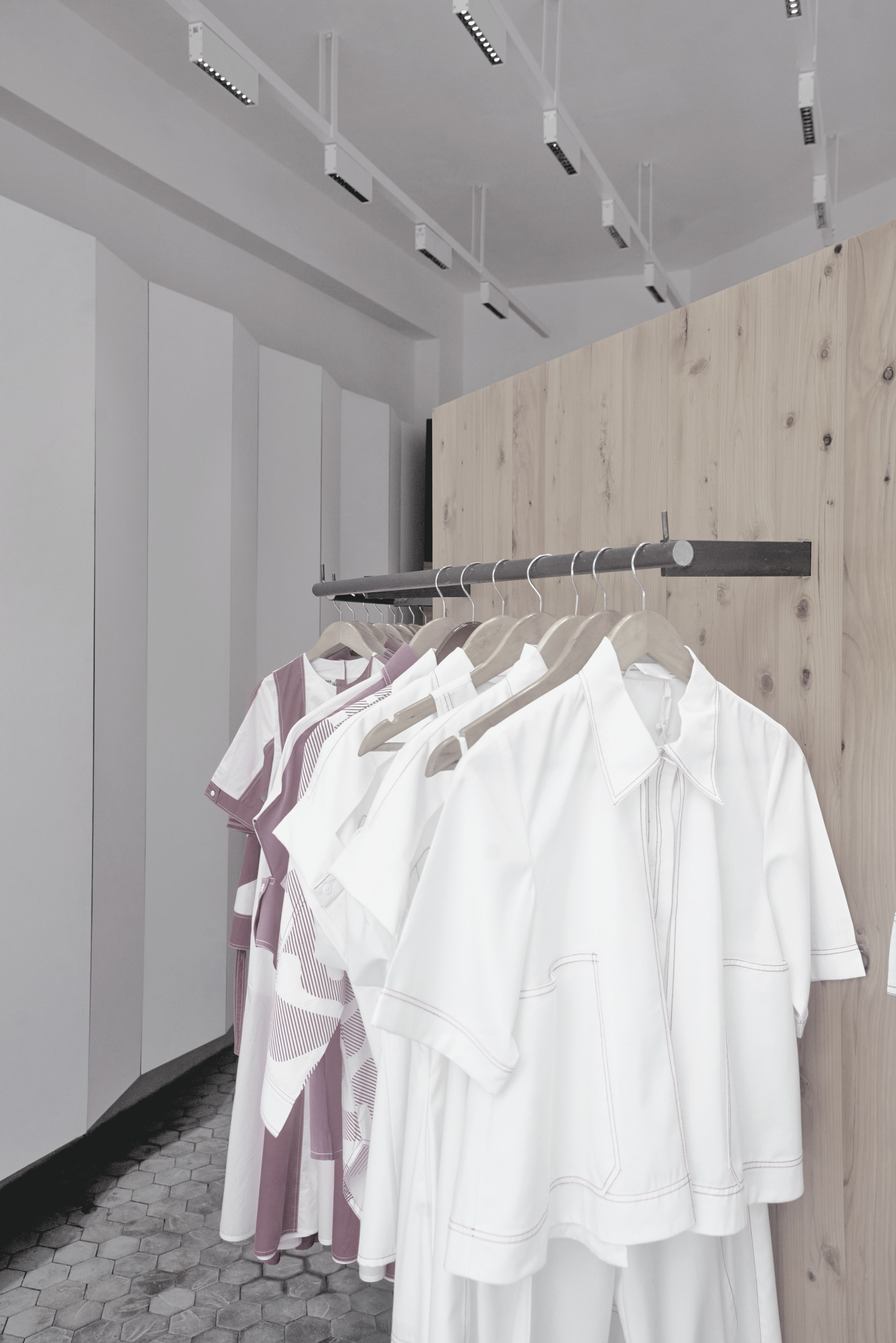
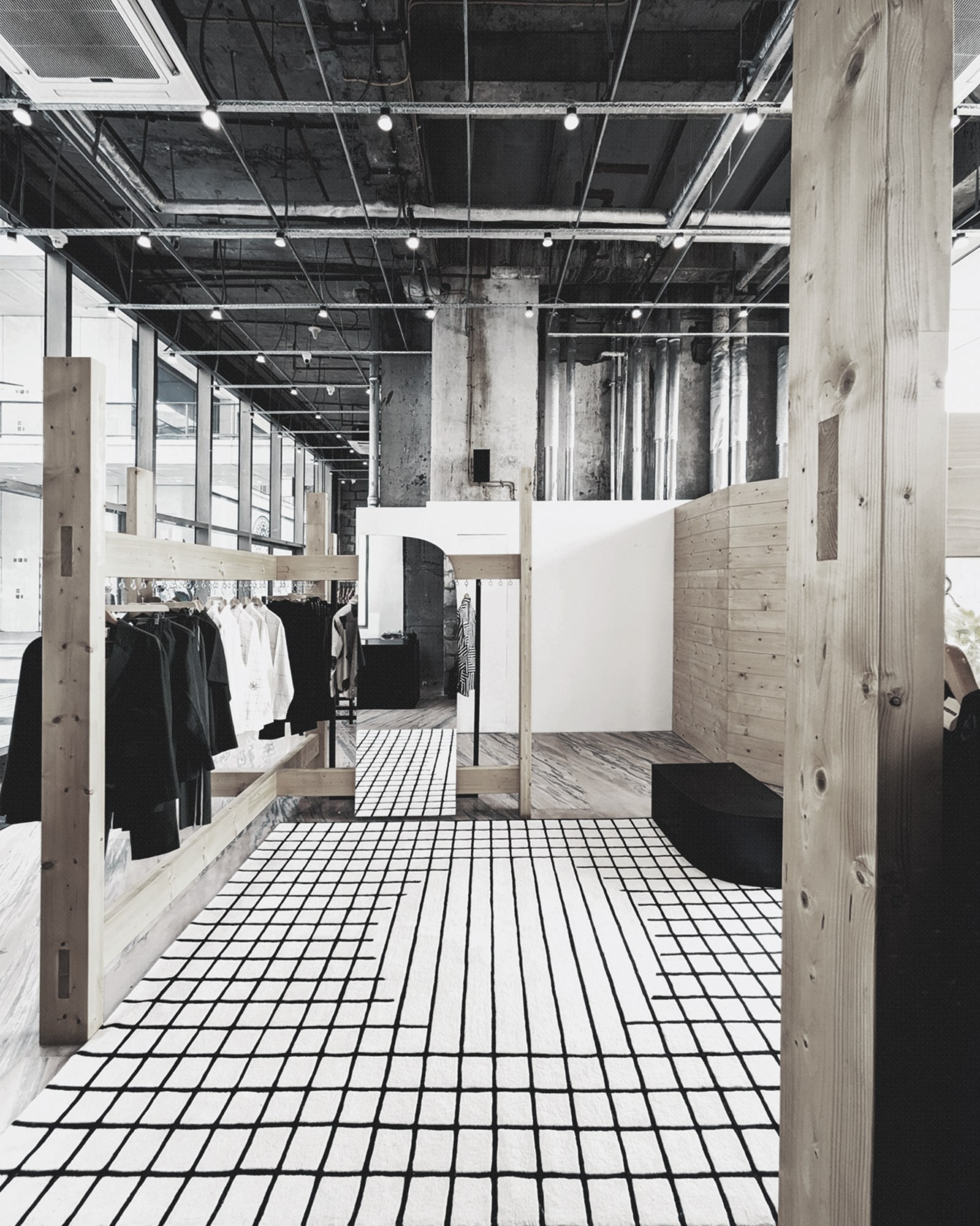
The palette is restrained: plaster, timber, and stone in tones that recede without disappearing. Display is considered furniture rather than shop fitting. The experience of moving through the store is unhurried by design.
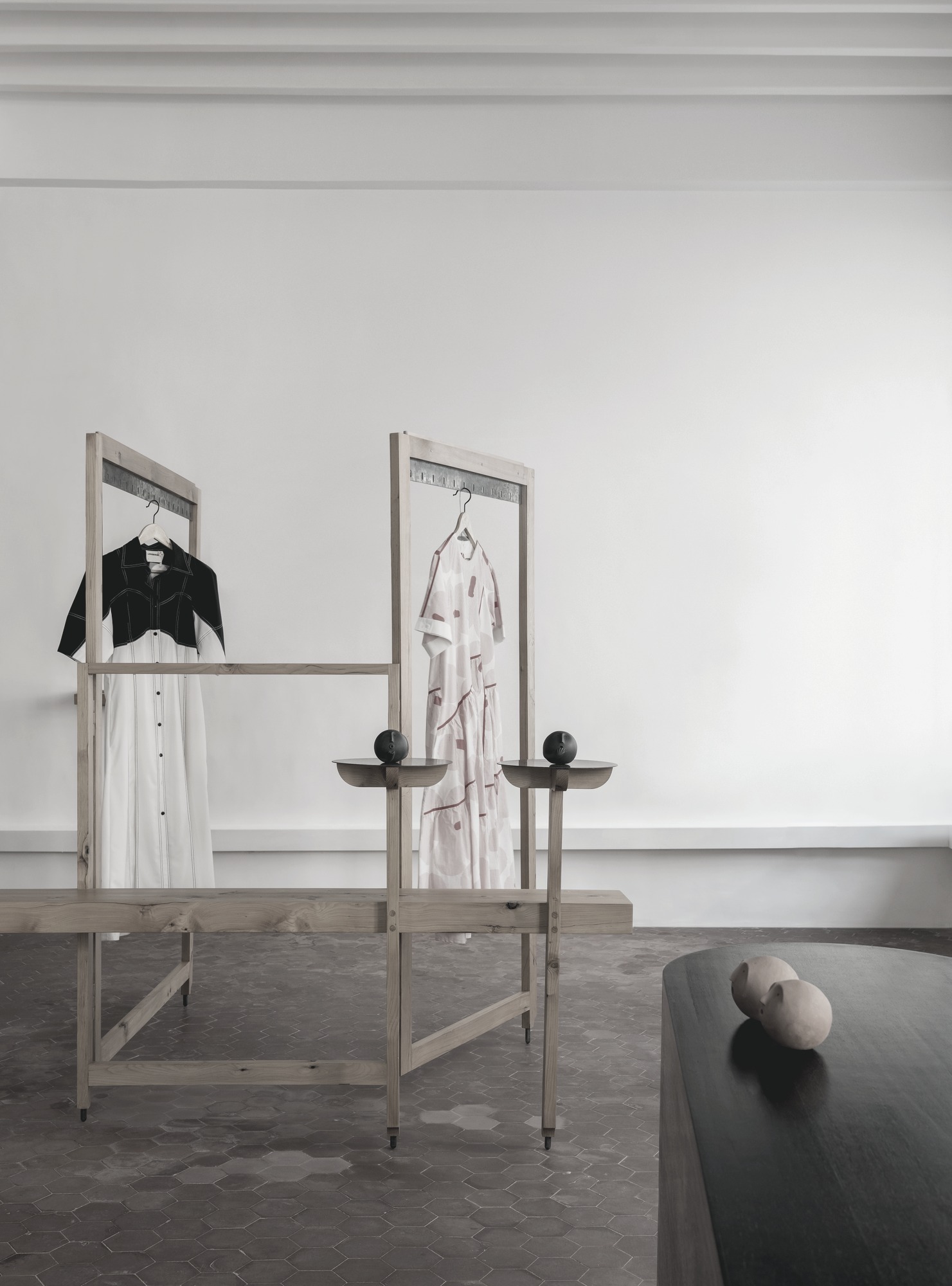
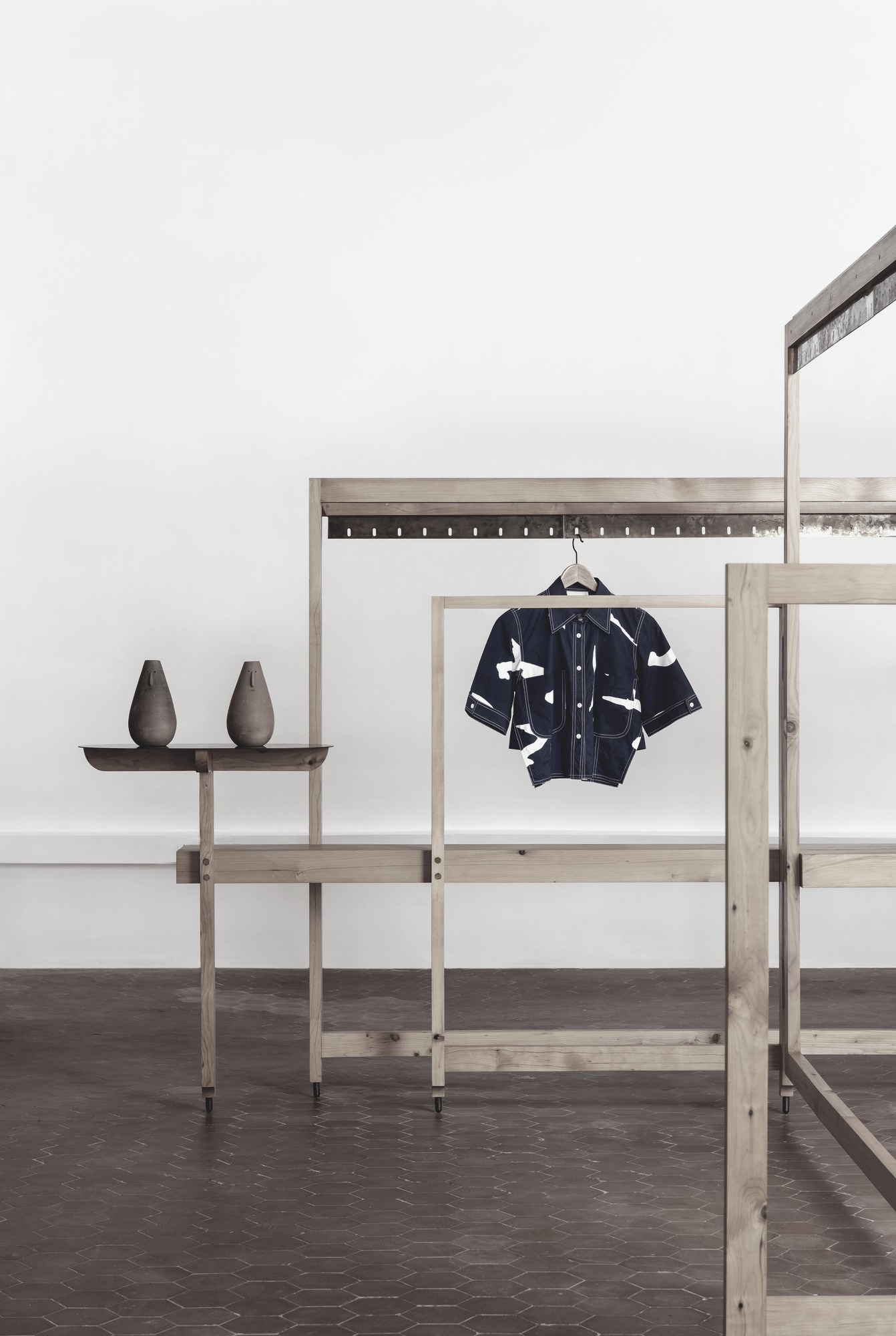
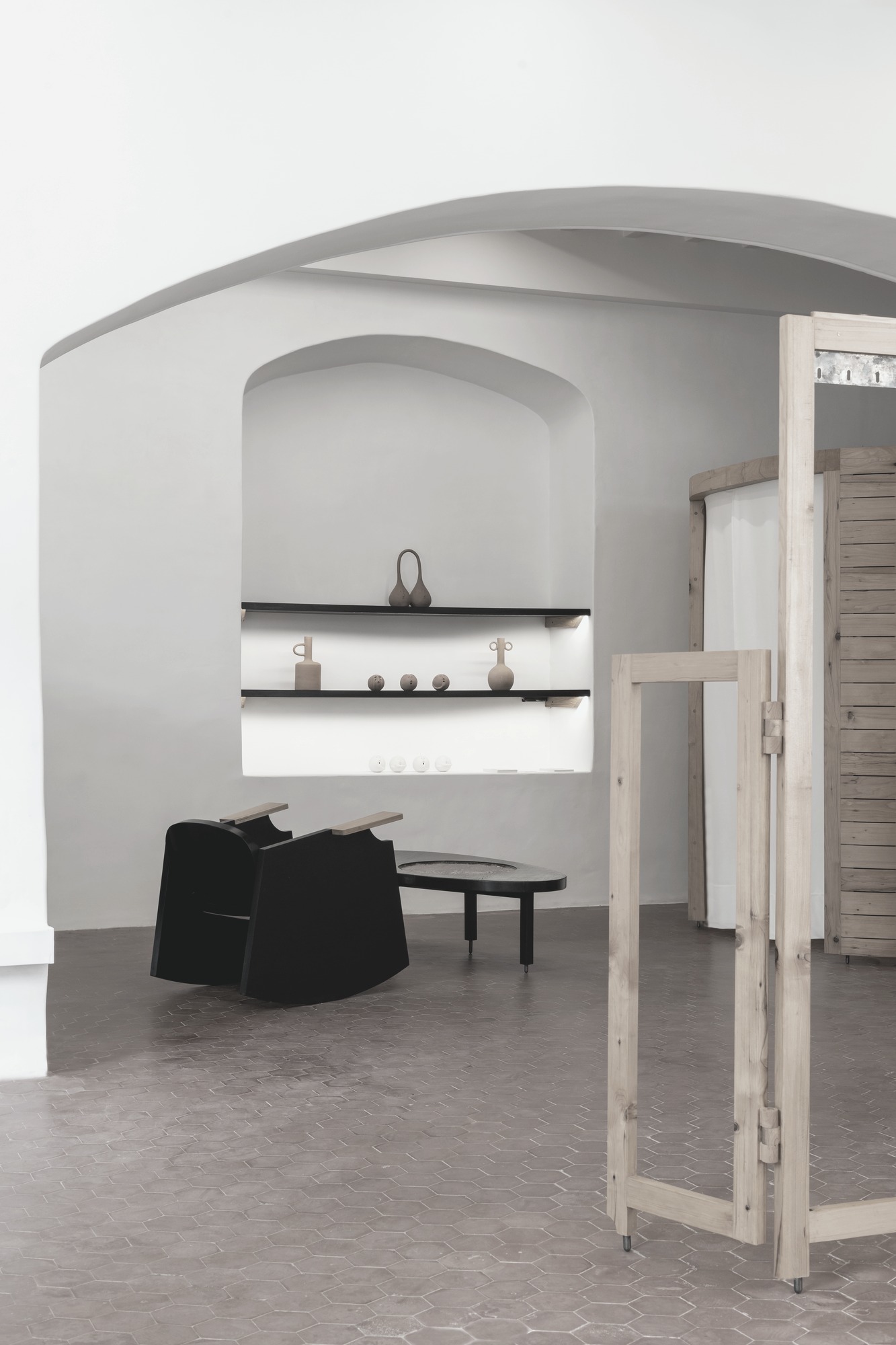
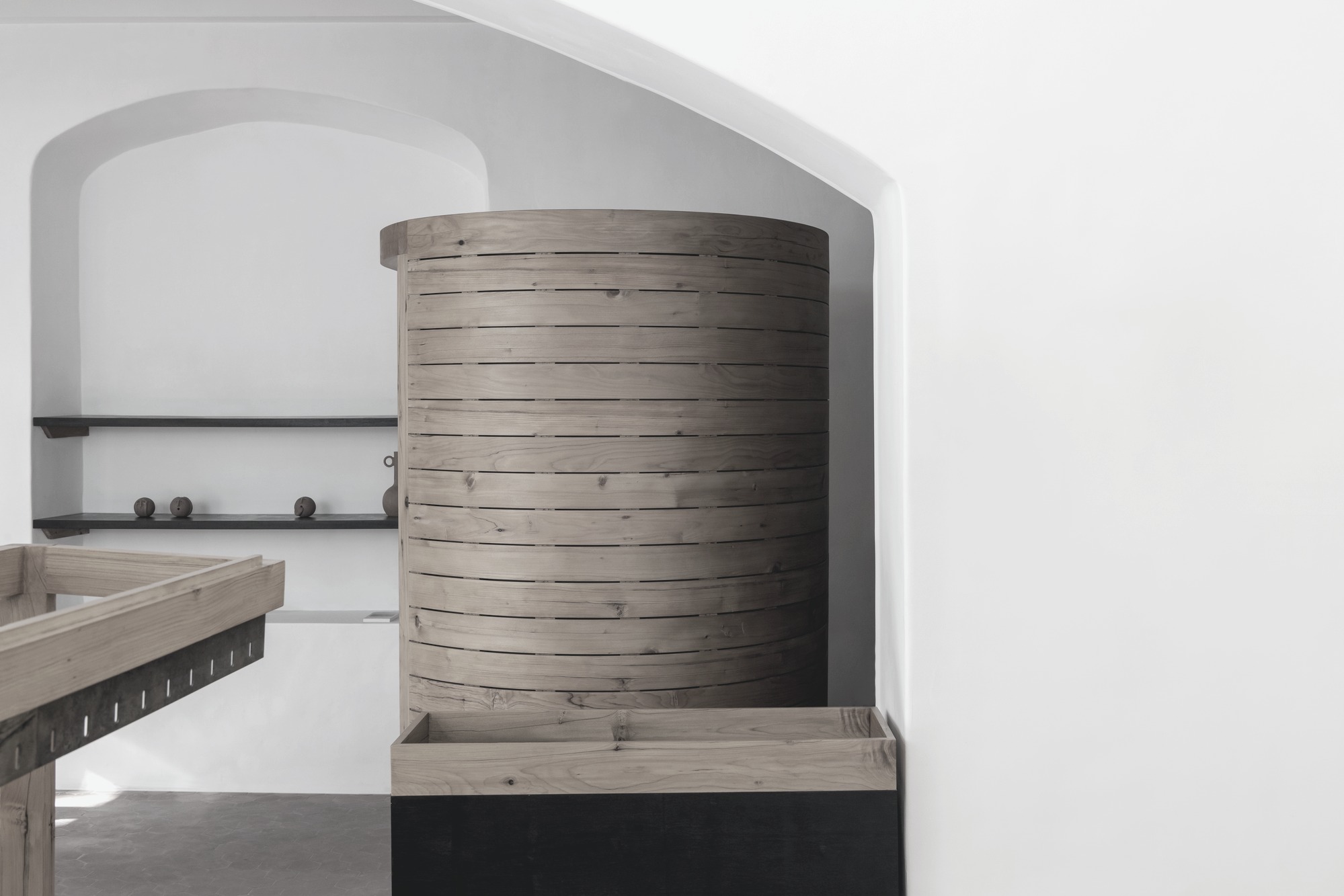
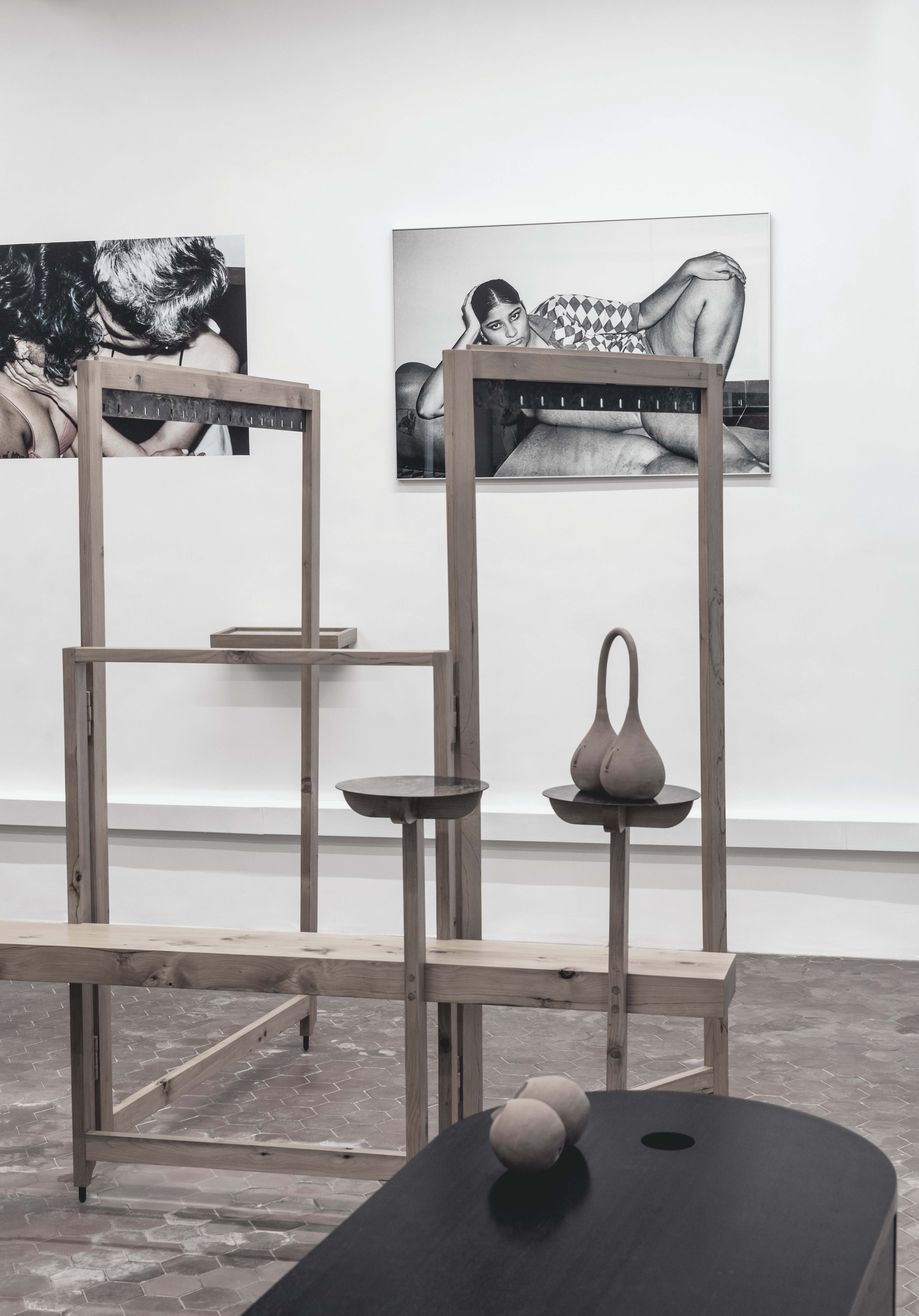
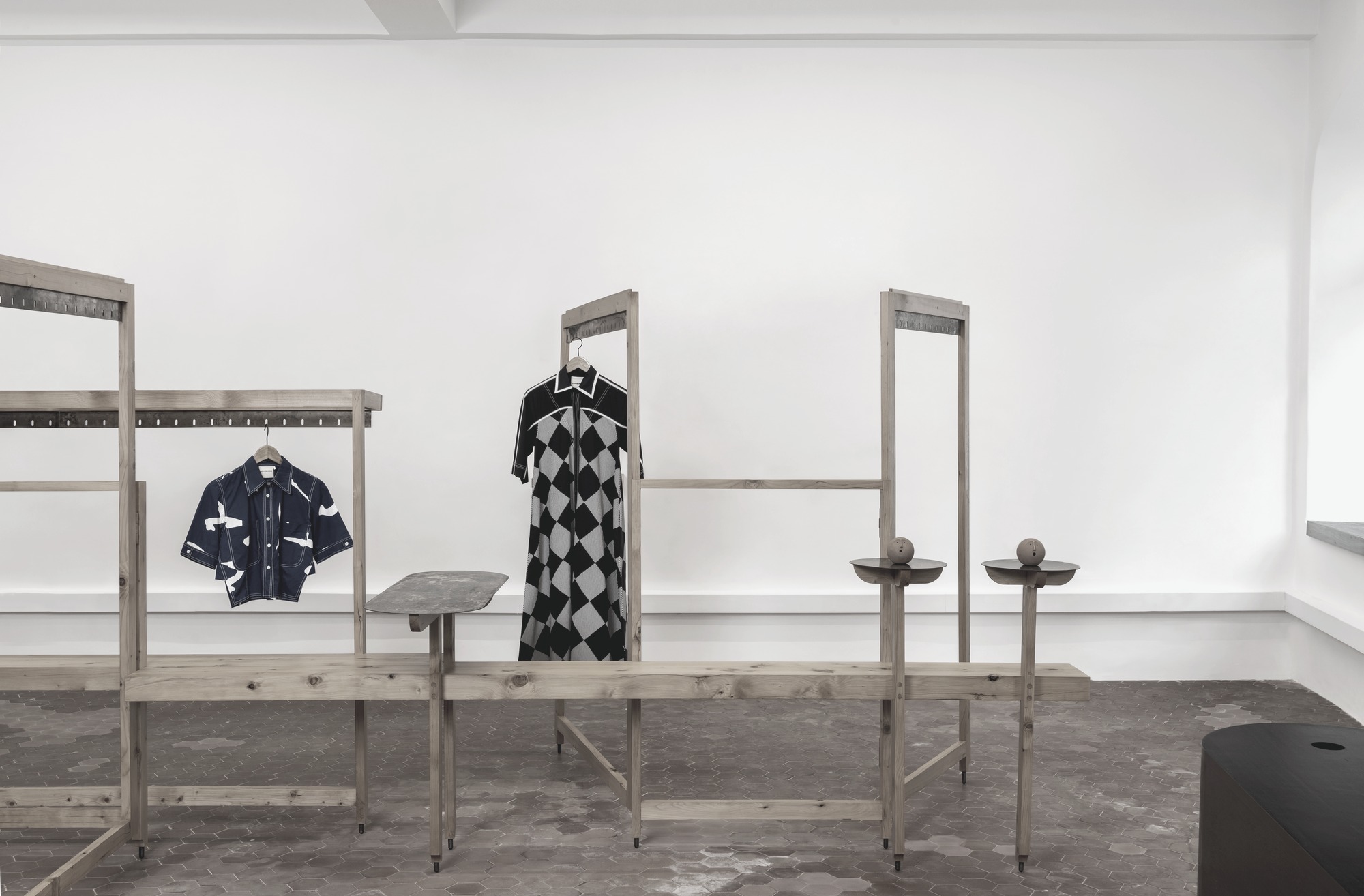
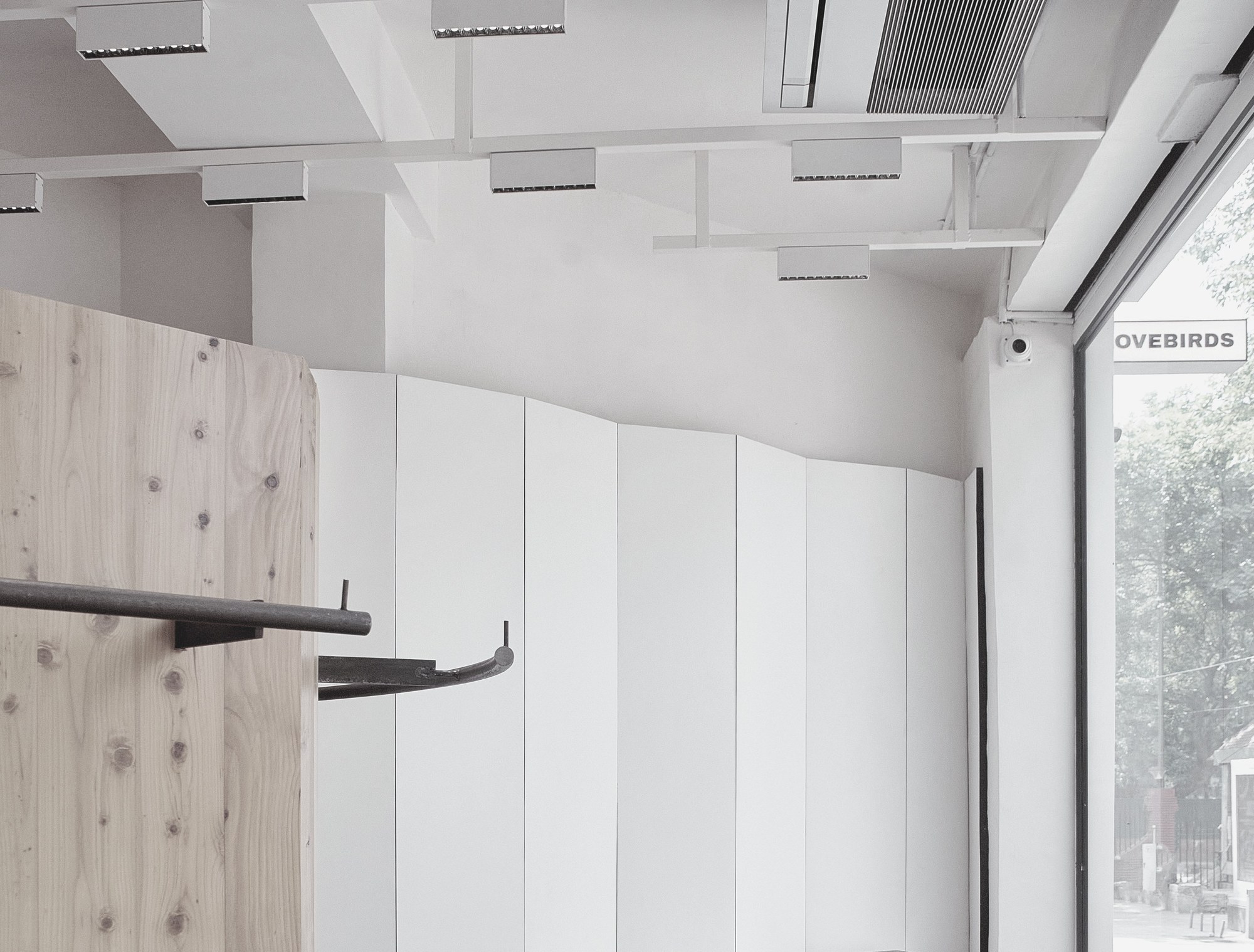
The neighbourhood is dense and characterful, and the store sits within it with a corresponding confidence: a room that knows what it is and makes no apology for its quietness.
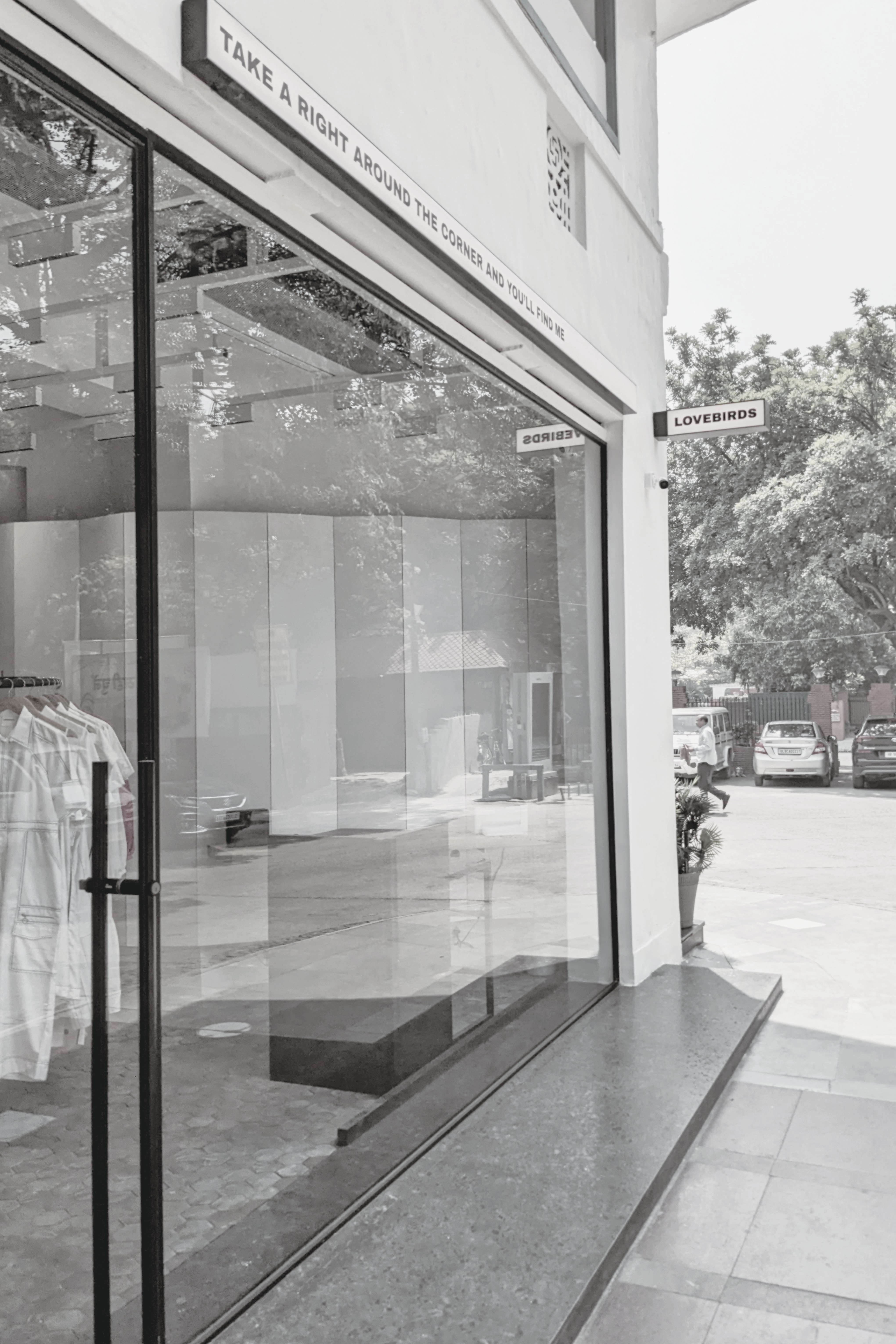
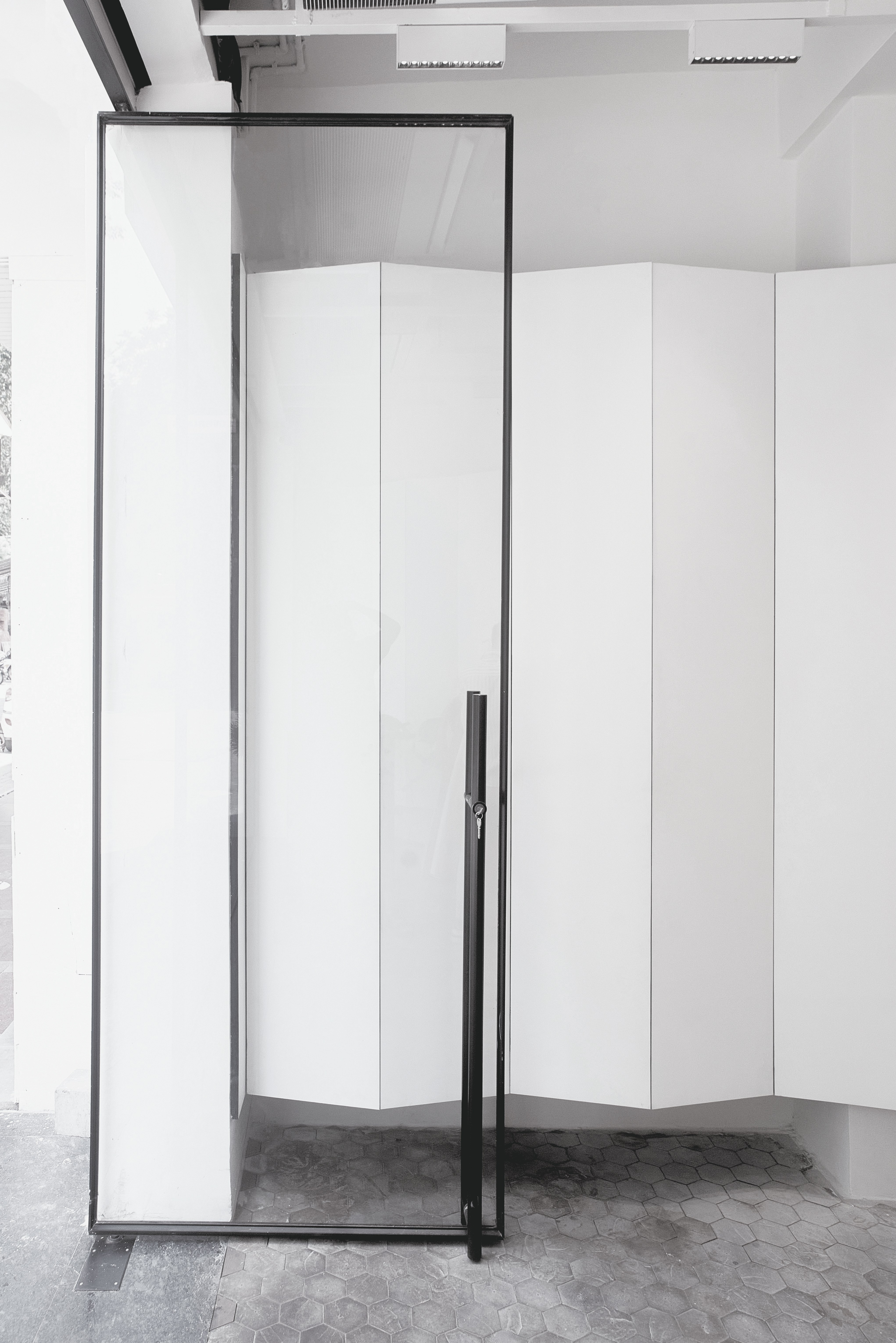
The display system is pared to its simplest form. Light is handled with precision. The threshold from the street is carefully considered, and the transition from the market's busyness to the interior's stillness is itself part of the design.


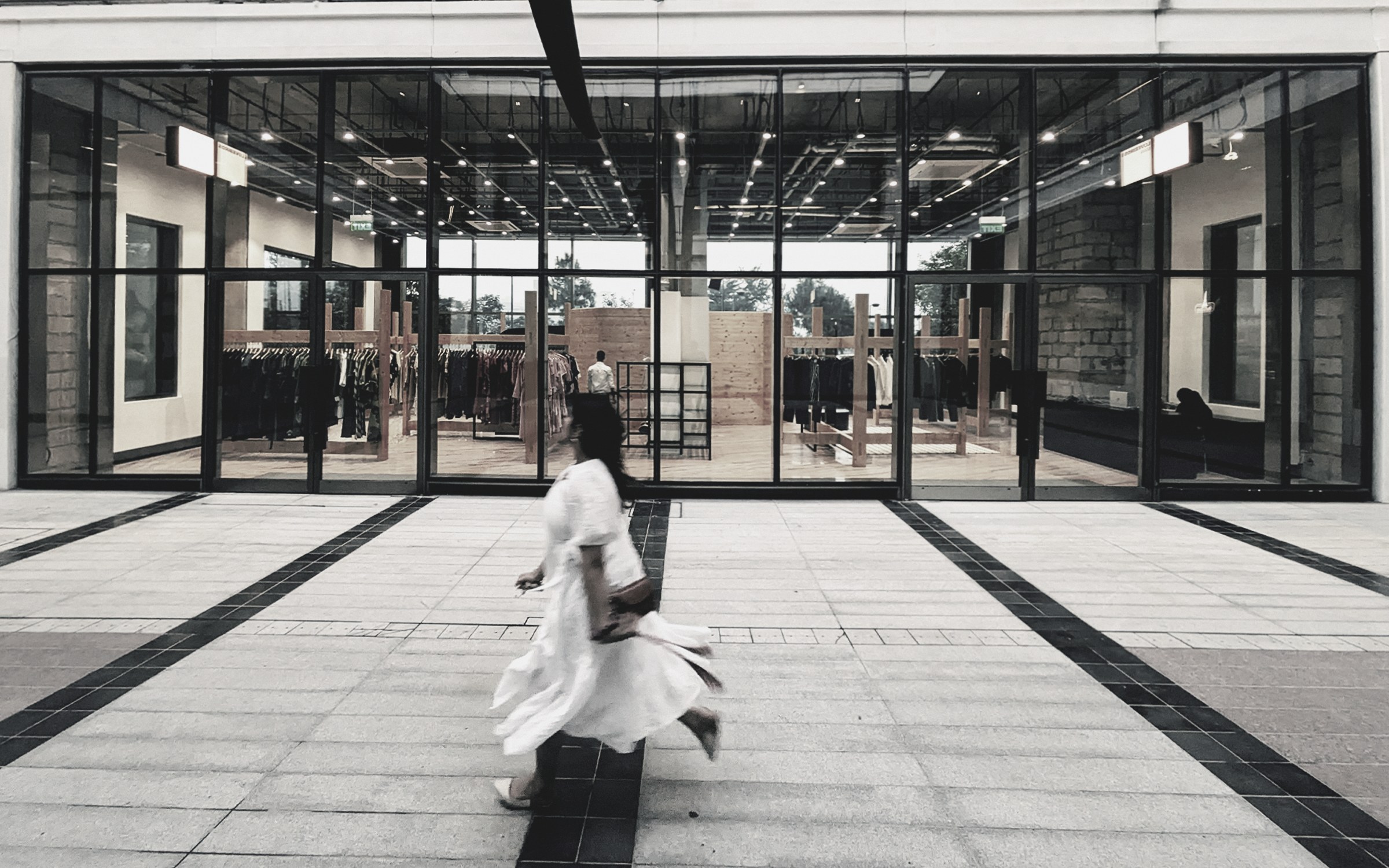
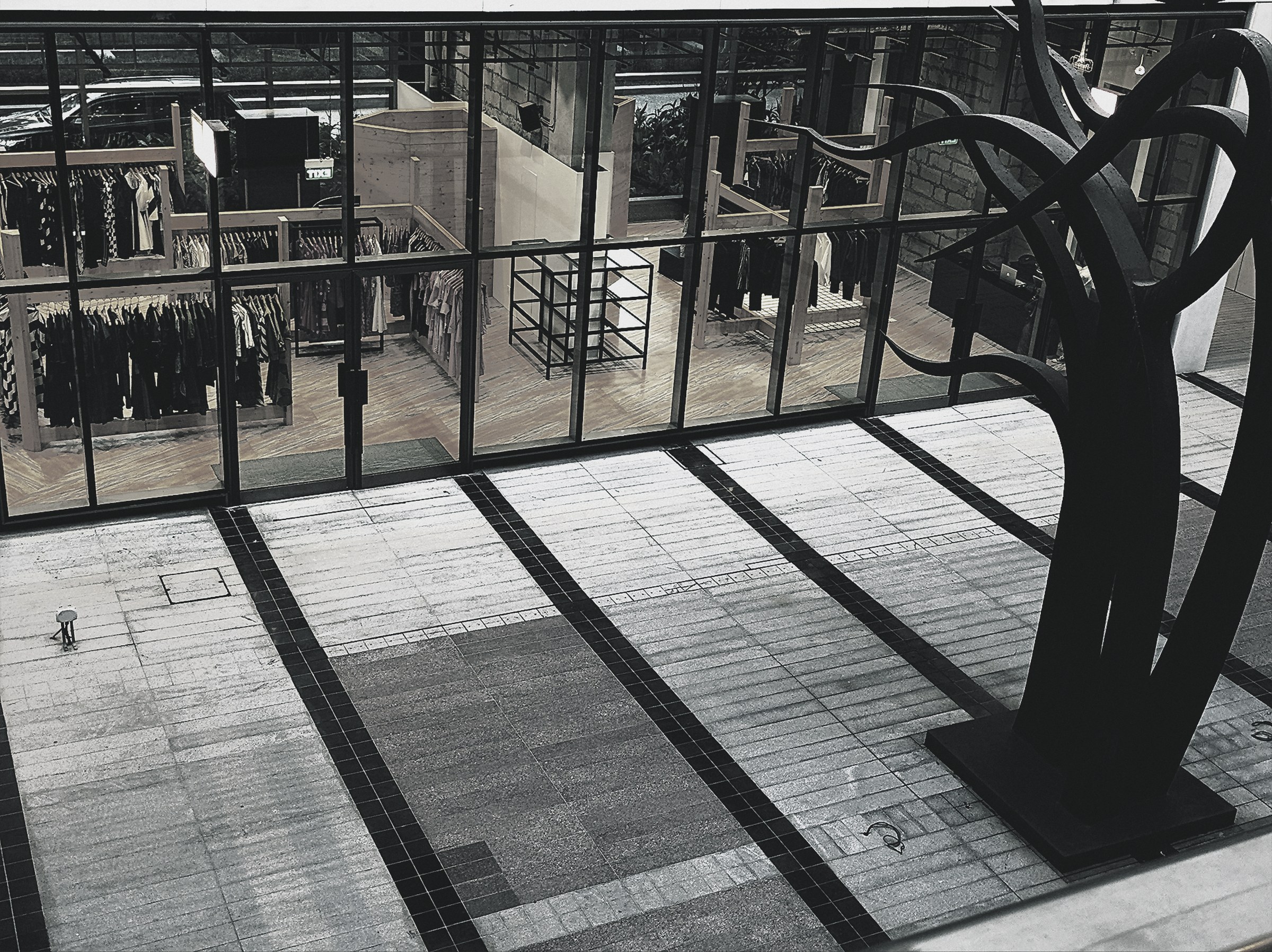
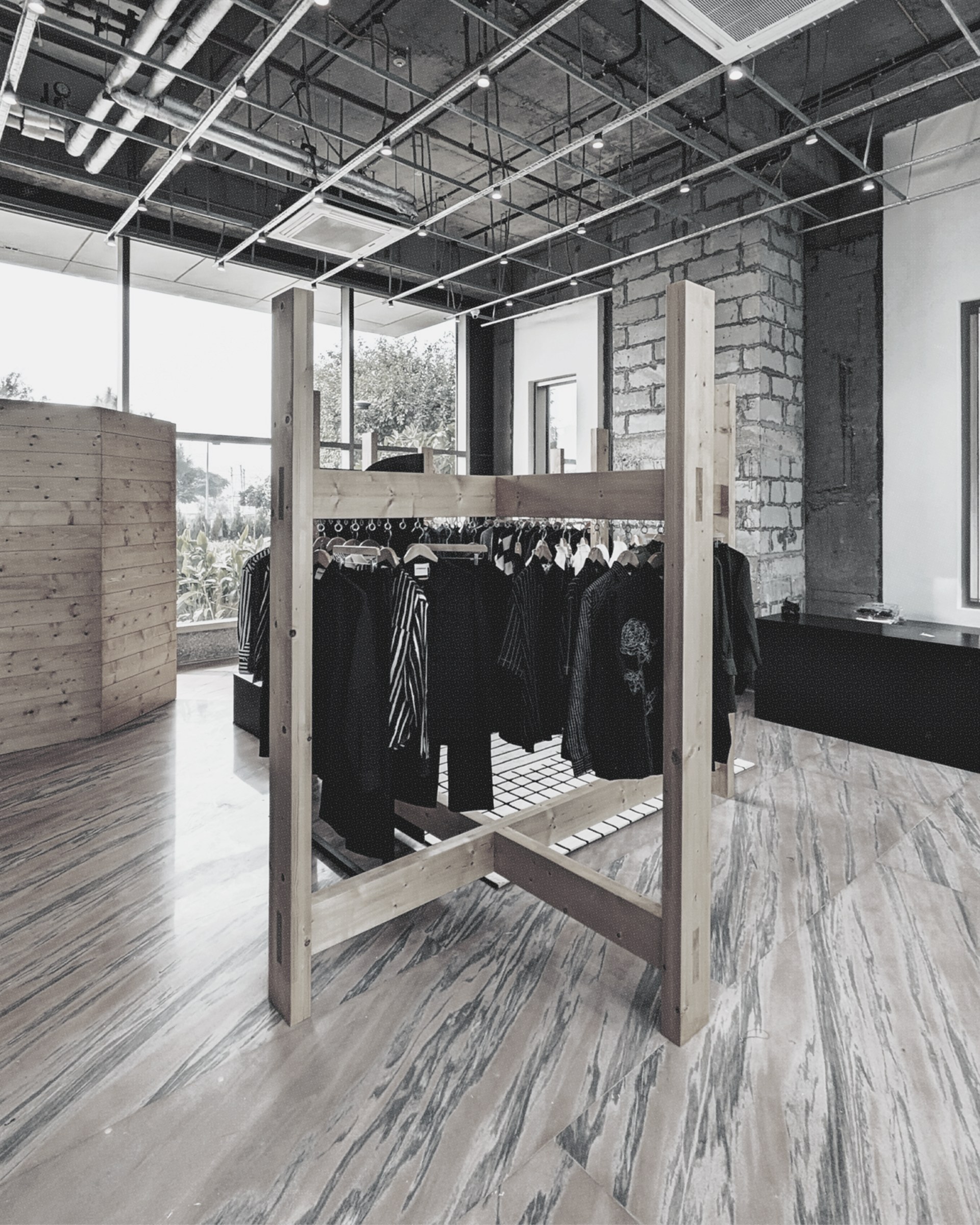
The Gurugram store occupies a mall context — a more resistant and commercially pressured environment than Colaba — and the challenge was to maintain the intimacy and editorial quality of the brand within a setting that works against both. The response was to treat the store as a room within a room: a self-contained interior world with its own logic of light and surface.
Materials from the first store are carried through, but applied in a different register. The sensibility is consistent; the space has adapted to its context without conceding to it.


"We wanted each store to have its own character. What carried across was the way we worked with materials and the pleasure we took in seeing what they could do."