Over twelve years, the studio was invited three times to design a workspace for the same client, each time in a new location, each time with a new brief, but always returning to the same question: what does an office that reflects the people who work in it actually feel like?
Each chapter begins where the last left off. Materials are carried forward, ideas are refined, and certain decisions are deliberately left unchanged, not out of inertia, but as an act of continuity. The result is less a sequence of three offices than a single, evolving environment, shaped over time by use, memory, and incremental intent.
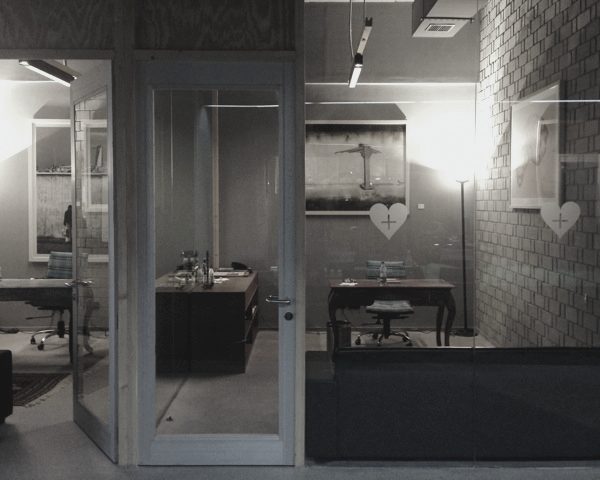
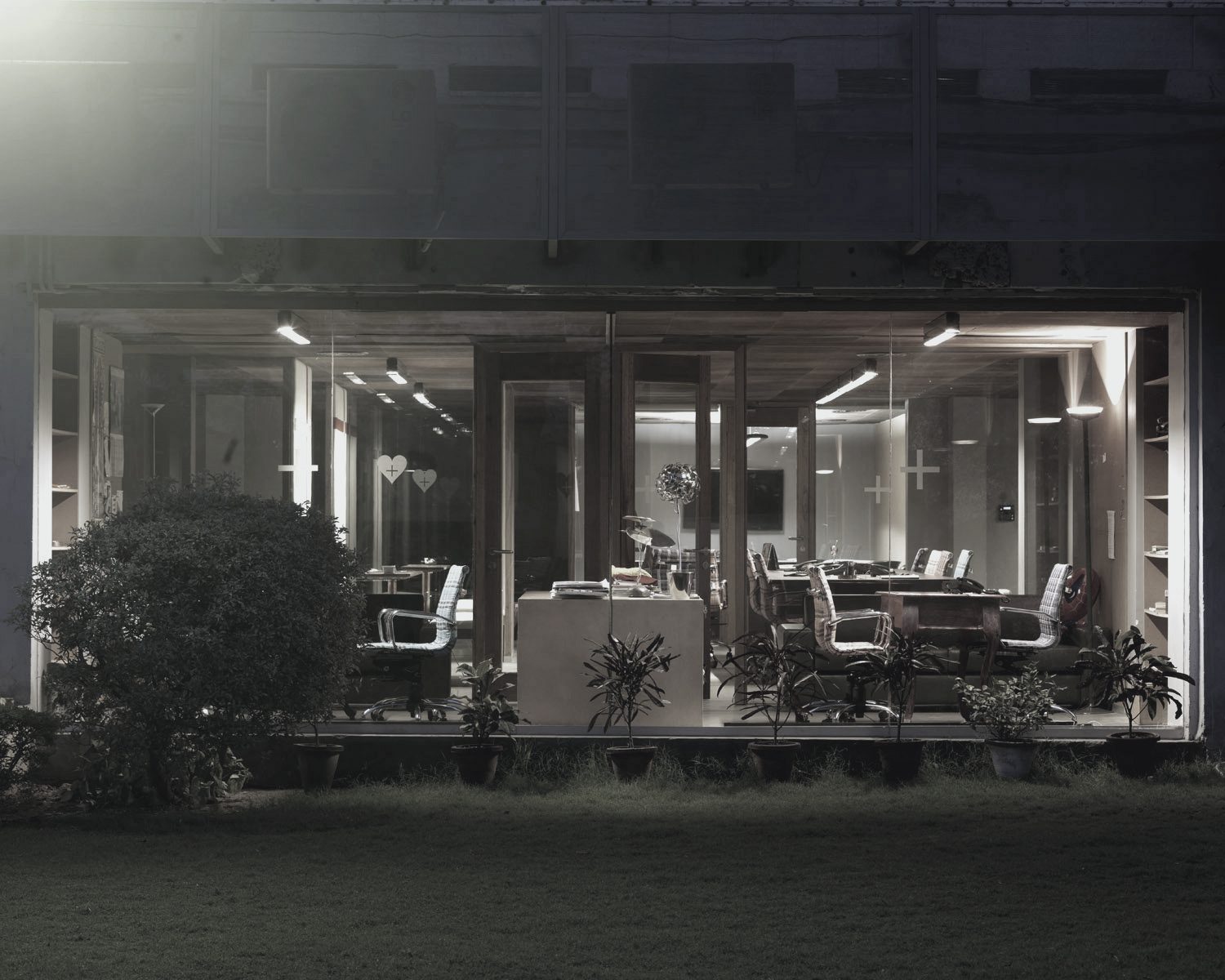
The first commission established the terms of the relationship. This is an open office built for a well-established advertising company, but the ambition was to resist the conventions of what an advertising office should look like. The idea of collapsing public and private space lies at the heart of the project: the office is designed to dialogue with the outside, and to flip the question of who constitutes "the public."
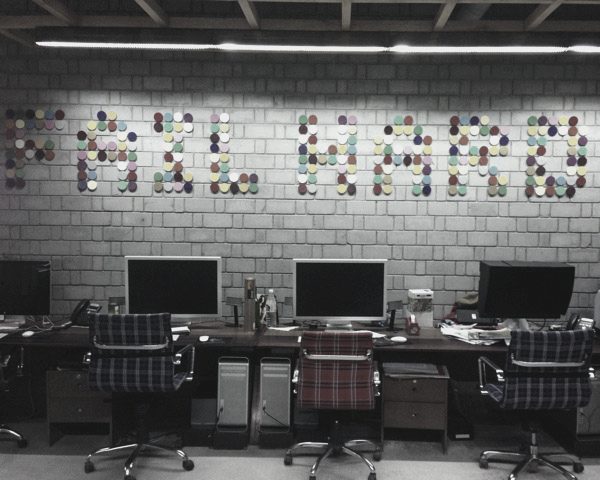
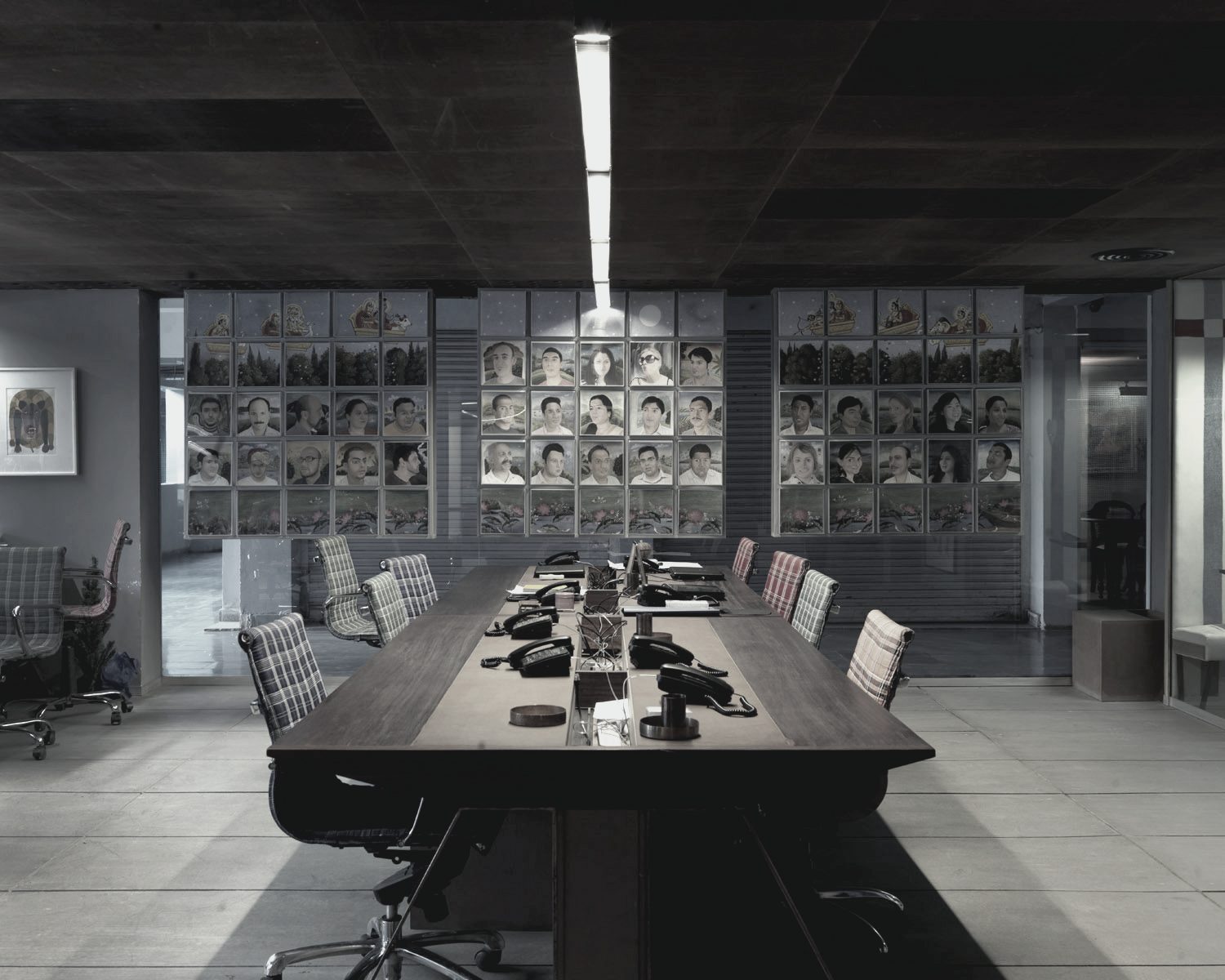
It is an office built to reflect the employees who work in it, rather than the clients it services. The Madras-checked chair fabric, linked to a personal story, is an example of this instinct. Locally sourced materials were used throughout, adding comfort, character, and a sense of belonging that imported finishes rarely provide.
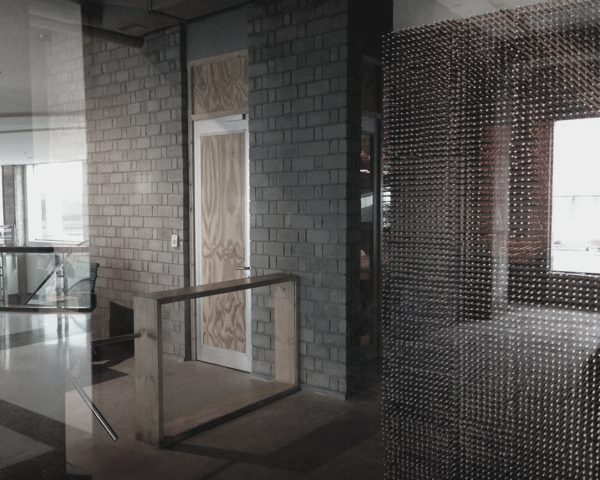
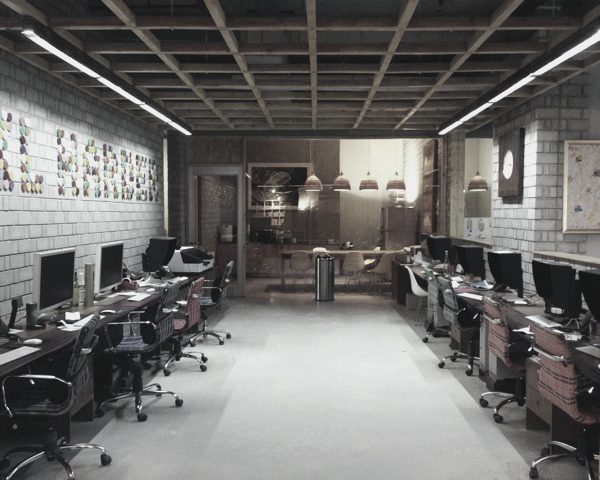
The second commission, three years later, posed a rarer design problem: how do you improve on something without abandoning it? The brief was to move to a new space, but the client, the culture, and the sensibility were the same. The question was what to keep and what to evolve.
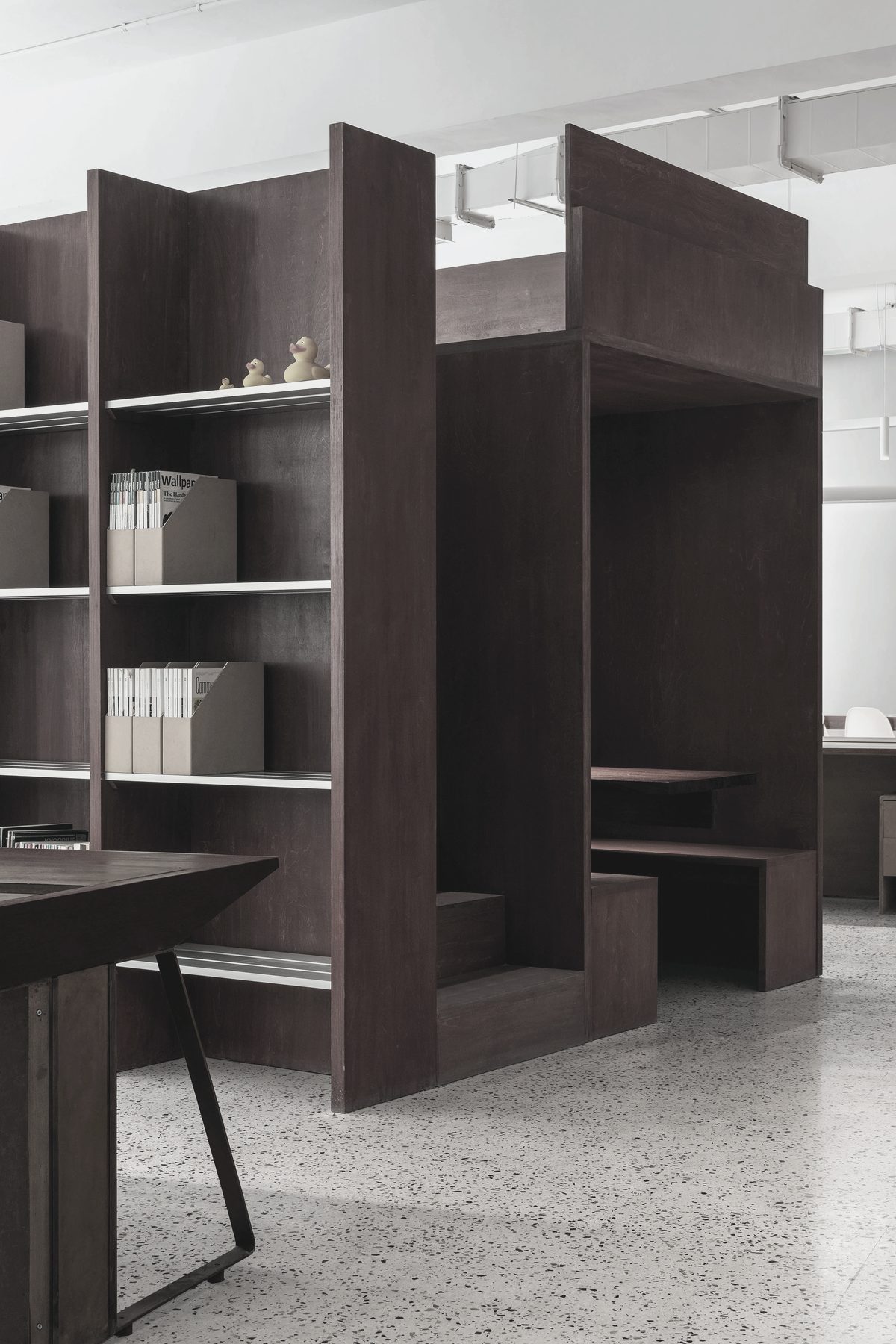
Many of the materials from the original office were carried through seamlessly, not as nostalgia, but as intentional thread. The divide between public and private, established as a founding idea in the first office, was retained and deepened. At the same time, certain spaces were reconsidered: the office library, previously modest, was expanded and given more considered presence. An element of levity, evident particularly in the use of artwork, was also carried through, now with greater deliberateness.


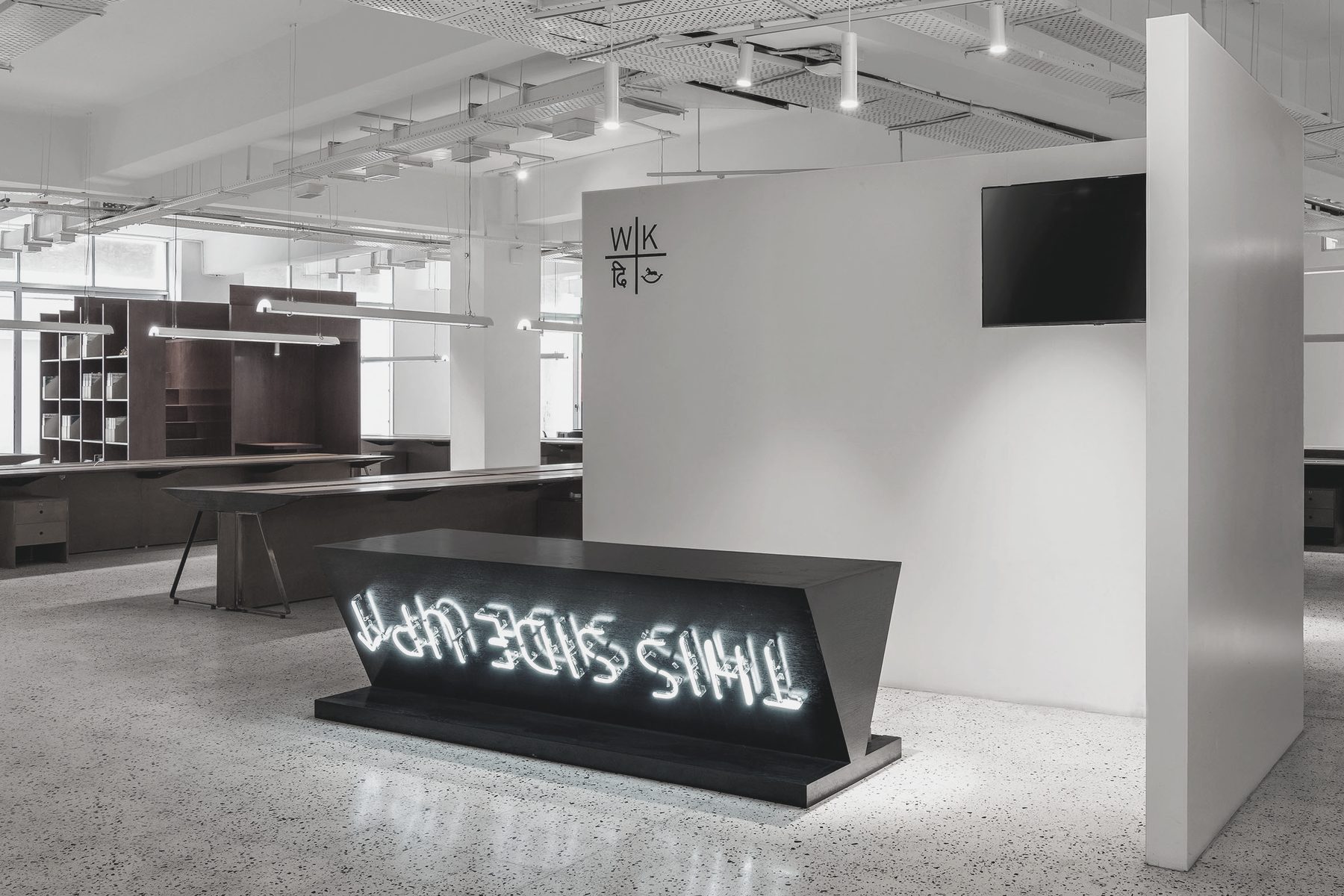
A third invitation, a decade after the second. By now, the relationship between studio and client had become something else, less brief and response, more a shared understanding of what the space should feel like. The open office as a form, and the collapse of public and private as its governing idea, had become the continuity itself.
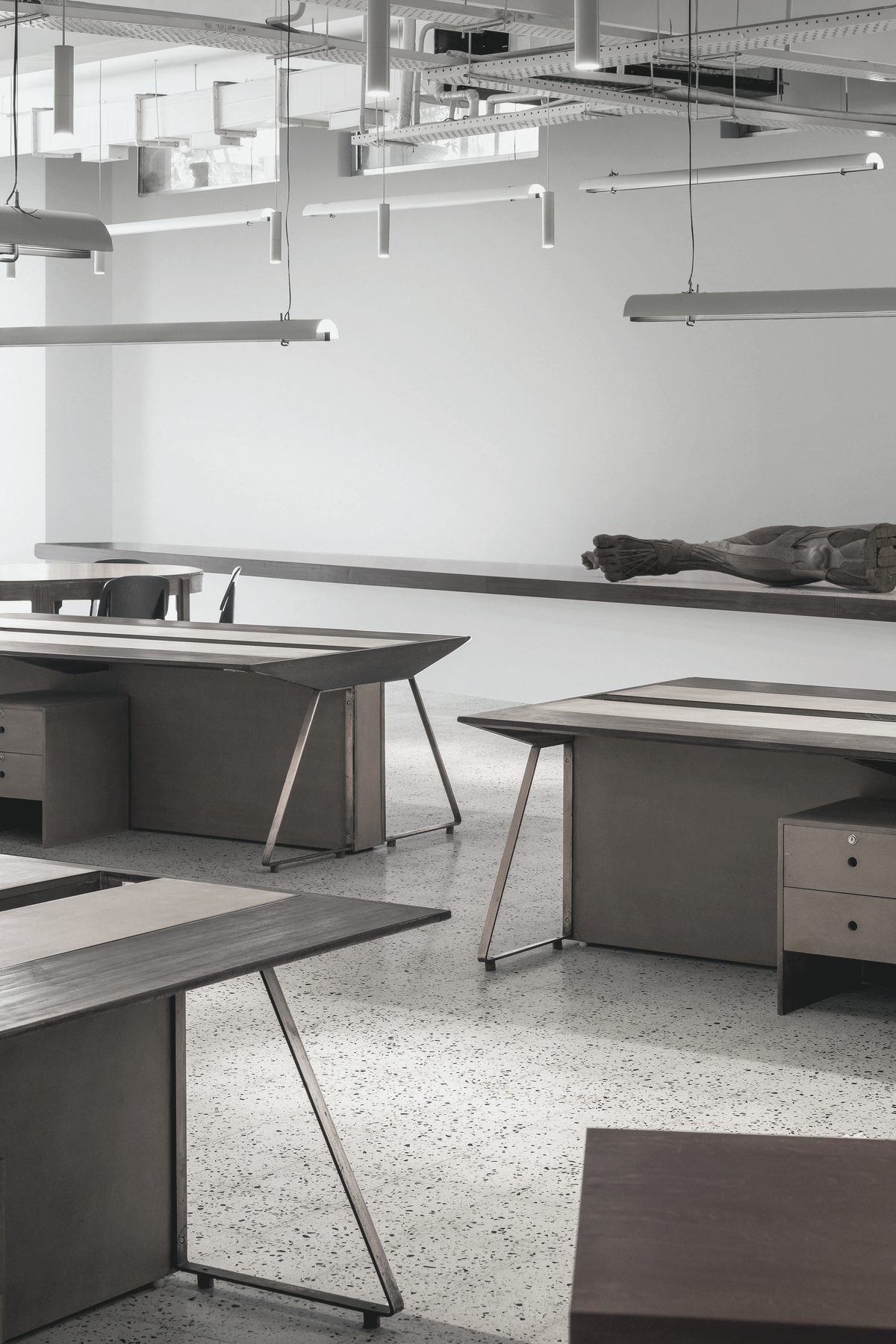
What the third chapter offered was a chance to look back with full perspective, to understand which decisions had aged well, which deserved refinement, and which had become so embedded in the culture of the space that they could not be removed without loss. Materials were again carried through. The library was once more reconsidered. Artwork, accumulated over twelve years of the same client in adjacent spaces, found its most considered placement yet.
Three offices, one conversation. The last space feels neither like a copy nor a revision, but like something that took twelve years to become itself.


"This was a rare opportunity to improve upon an original idea, and introduce newness with consciousness."