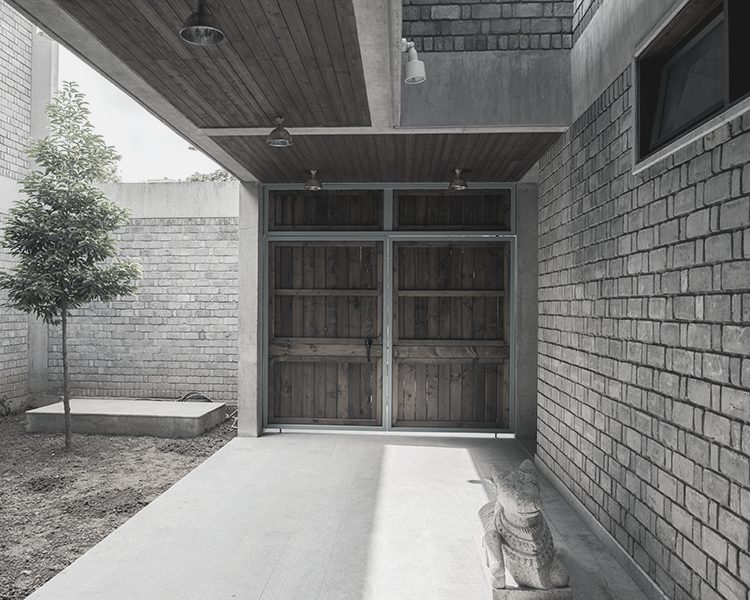
The 77 House was one of the studio's earlier completed residential projects, a house in Delhi where the ambition was, from the beginning, to produce something that would age well rather than photograph well. The distinction matters. A house that photographs well tends to rely on surfaces that are crisp and clean at the moment of completion; a house that ages well is one where the materials are chosen for their capacity to develop character over time.
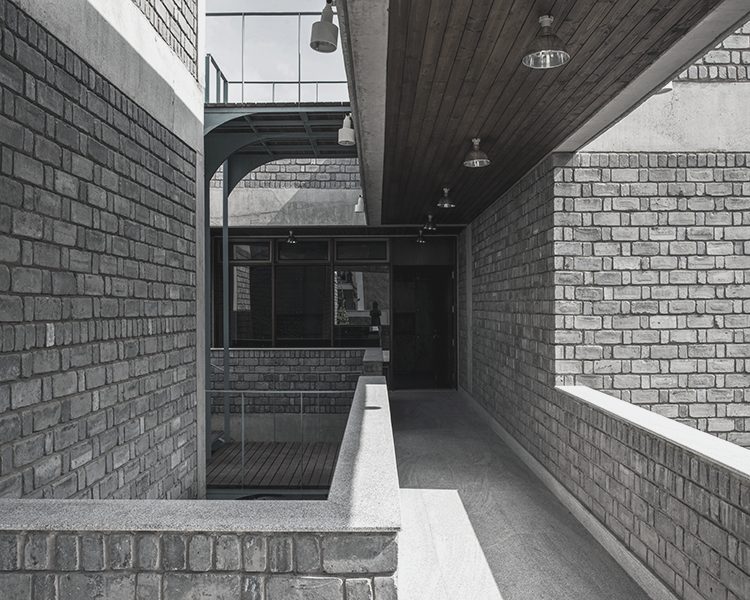
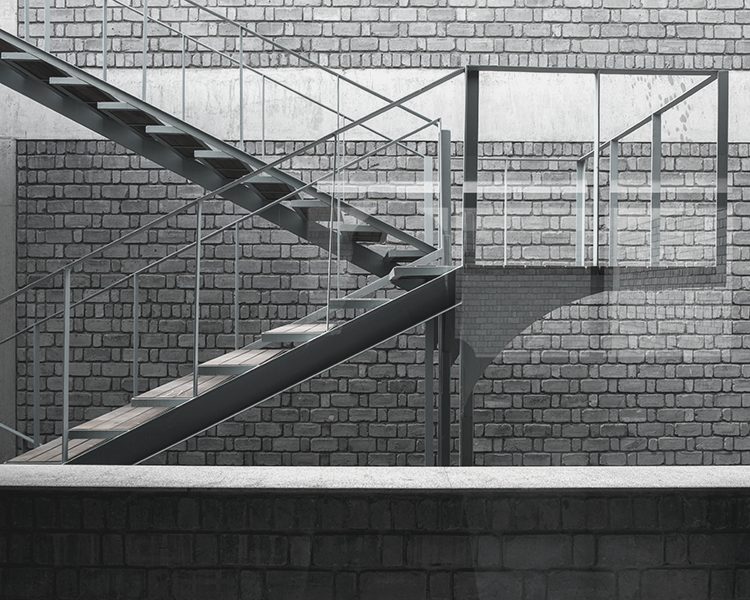
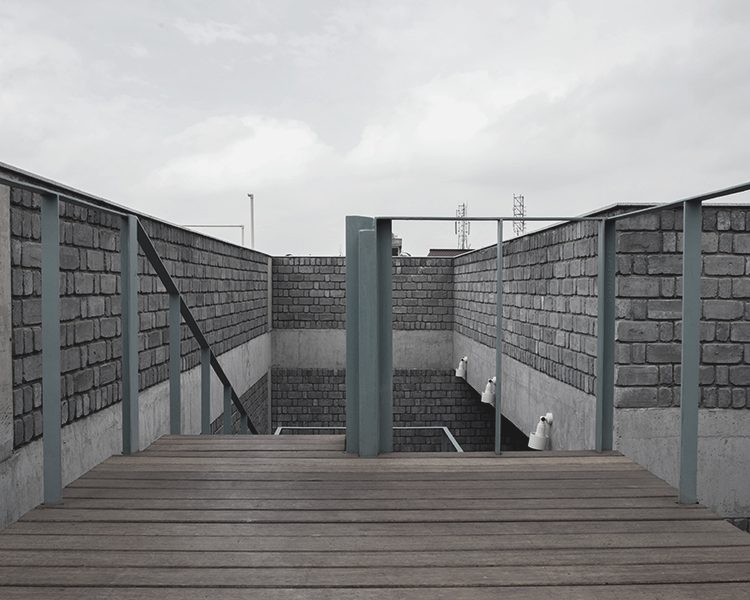
The plan is organised around two courtyards, one formal, one working, which structure the movement through the house and provide daylight to rooms that would otherwise face only party walls. The section is resolved to allow the upper-floor rooms to feel connected to the garden below without sacrificing privacy on either level.
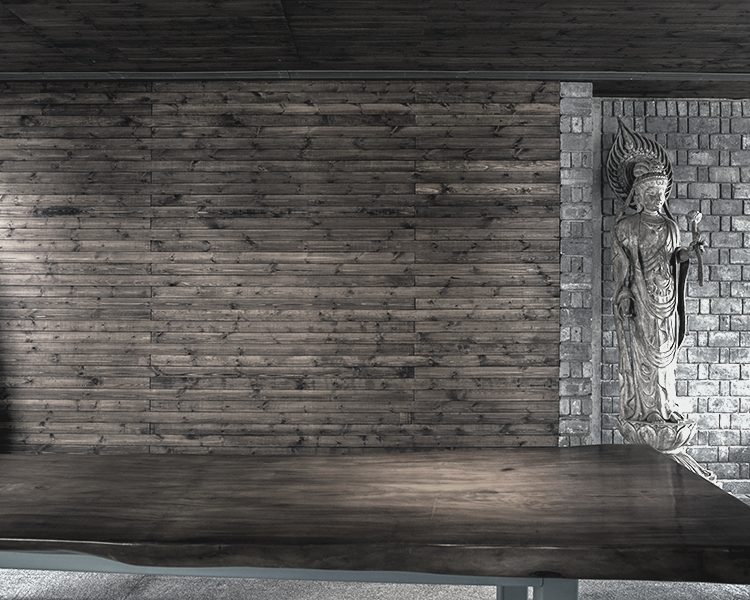
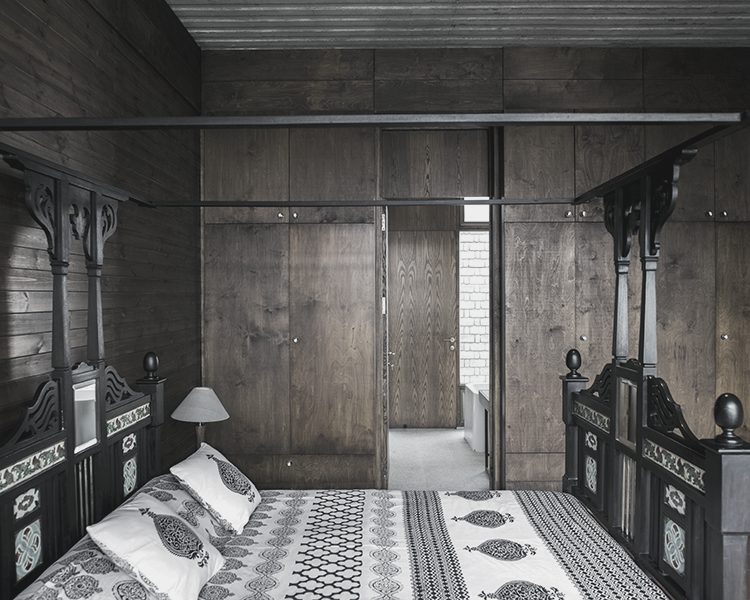
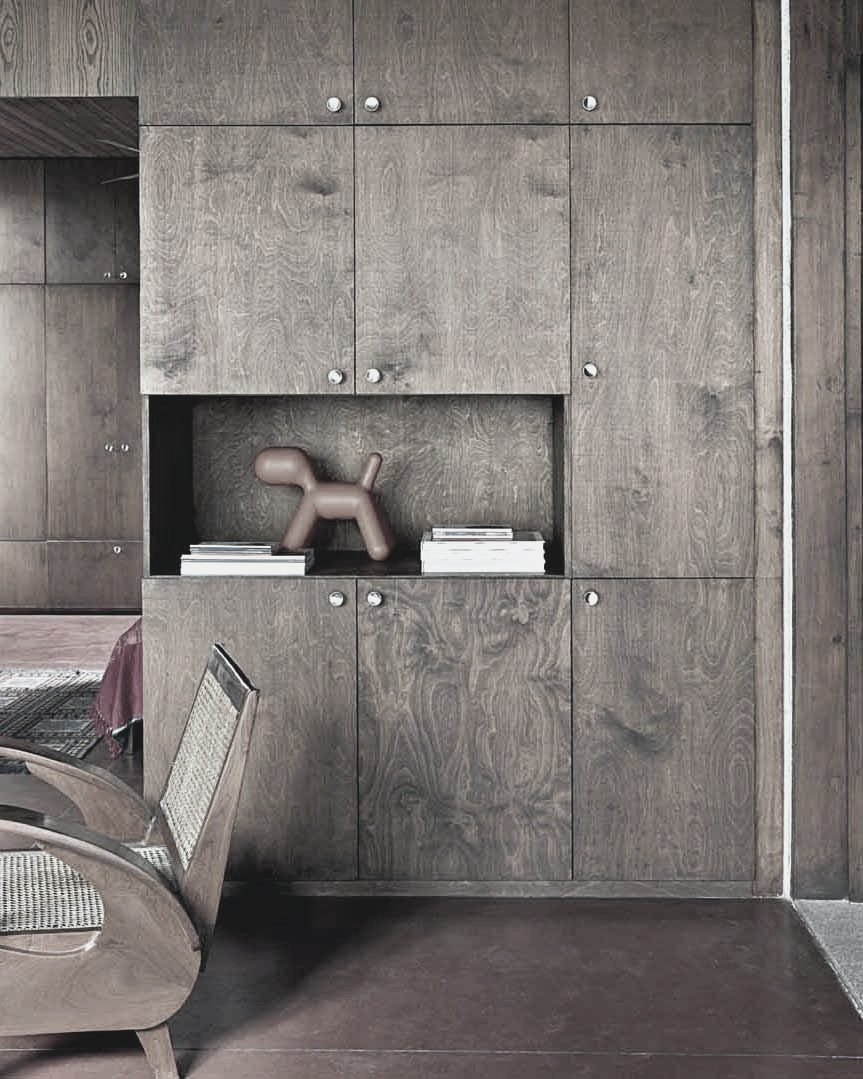
Materials are heavy and local: brick, stone, and timber that references the building traditions of the region without being imitative of them. The 77 House set out many of the instincts that have remained central to the practice, restraint, material honesty, and a preference for section over plan as the primary instrument of design.
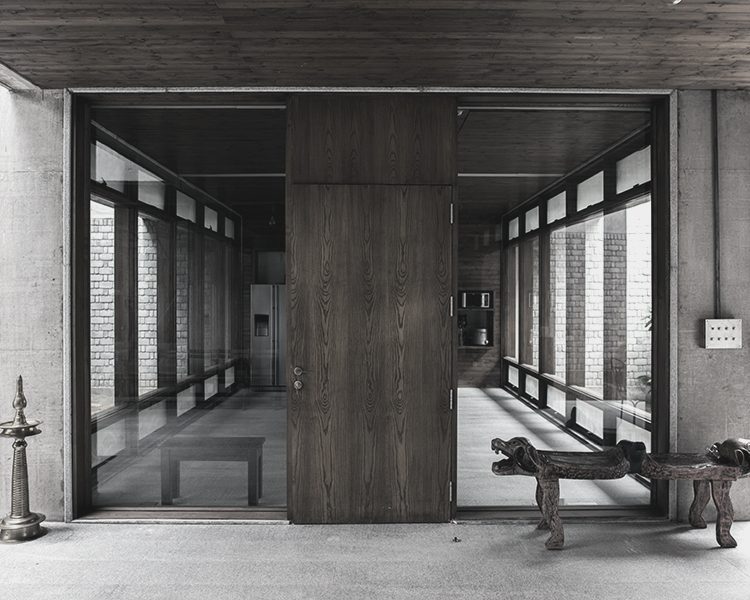
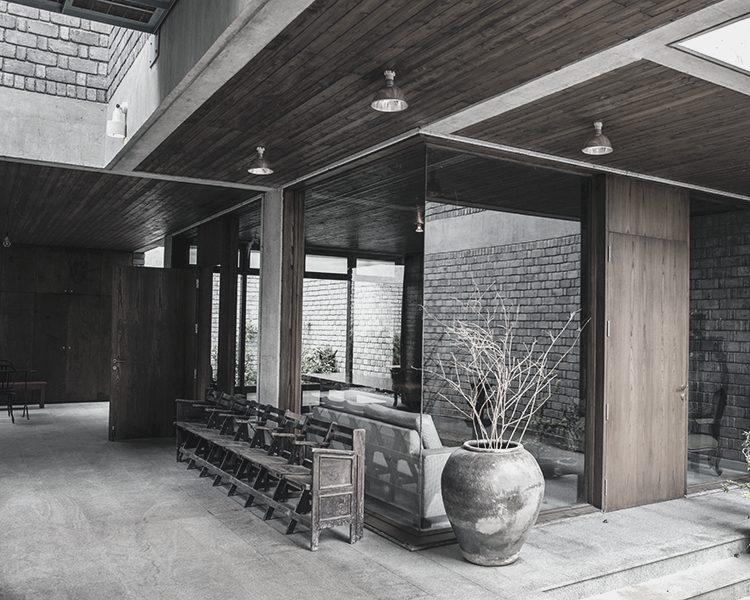
"We build with the assumption that the house will outlast us. That assumption changes everything about the choices you make."